
Gympie Council commits to rail trails
Bicycle Queensland has welcomed new funding to improve the Kilkivan to Kingaroy Rail Trail and extend the Mary Valley Rail Tr...
By Prof. Matthew Burke
When I first arrived as the new CEO of Bicycle Queensland one of the first things members started asking me was “What are you going to campaign on?”.
Let me try to put down some thinking about what the sorts of things the organisation could consider as we seek to get pro-active with our campaigning.
I was once a ‘bicycle bureaucrat’ working for what was then Queensland Transport, the department that later merged with Main Roads. As part of my role there I helped birth the first Queensland Cycle Strategy in 2005. The fact that I was on that desk and doing that job was only possible due to the hard campaigning work of Bicycle Queensland in the decade prior. BQ managed to get a commitment from then State Opposition Leader Peter Beattie for three things:
1) a state cycle strategy;
2) a set of plans that later became the Principal Cycle Network Plan for SEQ;
3) a ‘positive provision policy’ that made adding bikeways to big state-funded urban transport projects business-as-usual (and not ‘gold-plating’).
We can thank my predecessors at BQ for this great achievement, as it is through these changes that we’ve achieved much of what has since happened. That said, the implicit promise back in the early 2000s was that, though it would take time, in thirty years or so a ‘stage-one’ Queensland Cycle Network would emerge. We’d have the trunk network formed that would provide a low-risk route within a couple of kilometres of most people in South East Queensland. And as we brought the same planning processes in up North and in Toowoomba, in the main regional cities as well.
It’s been twenty years now since I helped launch that first strategy.
No-one could put their hand on their heart and say honestly that we are going to have a stage-one Queensland Cycle Network in place without a major step-change in our rate of investment. We’ve fallen off the pace that is needed to bring this into being.

Which brings us to the Games. Everyone is talking about the 2032 Olympic and Paralympic Games and how it is meant to re-shape Brisbane and the South-East. The Games were pitched to the residents of SEQ by its proponents as a way to bring-forward major infrastructure investment in the region. That’s why the Council-of-Mayors and the State Government bid. The 2032 Games should create a great legacy for our host cities, including the Sunshine and Gold Coasts. Alas, so far I am not aware of even one kilometre or other active transport infrastructure committed and funded. Not one!
Athens 2004 is perhaps the poster child for what not to do. They built a new airport, 140km of new roads including a big motorway to the Olympic precinct, a massive metro expansion and new light rail systems. All great, but really, really expensive, for a city with a similar population to SEQ in population terms. All that expense helped bankrupt the Greek economy when the global financial crisis hit in 2008. Traffic congestion continued to rise in Athens.
Brisbane should not follow their lead.
By contrast, Paris 2024 was fantastic in terms of the transportation improvements made in the city. The centrepiece was 70km of new cycle routes in Paris itself, and another 35km of bikeways and safe routes in Seine-Saint-Denis. Often painted bright pink, and labelled ‘Olympistes’ these new routes dramatically increased cycling accessibility across the city and into key destinations. Most of the bike routes were long-planned for and were languishing on paper in the Paris and Ile-de-France cycle network plans (just like the many routes on the SEQ Principal Cycle Network Plan!). The 2024 Games took them off-the-page, through planning and design, and into reality. Of course, bikeways are relatively cheap and the bikeways cost way less than what was done in Athens.
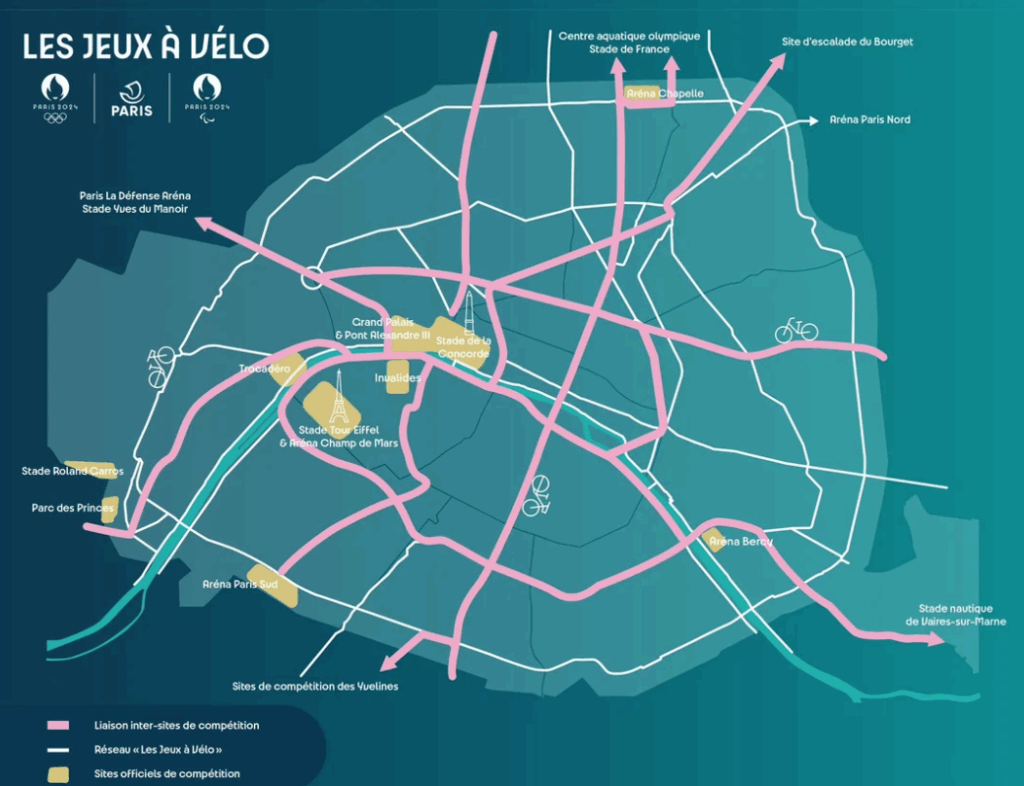
SEQ could go a long way to completing a stage-one cycle network if it were to follow the Paris approach.
Similarly, Paris changed their entire city’s culture about how you get to a sports event, or major event. Let me ask, can you park your bike to a proper bike rack at the Gabba for a Lions home game in Brisbane? No, you can’t. Paris used to be similar. But a massive 13,000 bicycle parking places were planned and developed around their city’s Olympic venues.
Managed bike parking (which we might call ‘valet’ parking, but it was far more rudimentary) was introduced to deal with the numbers of cyclists arriving. That has produced a long-term change in behaviour. It is now customary for a significant percentage of Parisians to cycle to major events, whether that be stadium concerts, sporting events or more. It also freed up their bus and metro system to carry other passengers, as many short distance travellers came on the city’s share bike system (Velib) or their own private bike. In Paris it’s now expected that you will be able to ride and park your bike safely when you arrive at a stadium. We have a long way to go to produce this culture in Queensland.
The other change Paris made in the last two decades was to dramatically reduce their default street speeds in the suburbs. If you’ve been in the outer suburbs in Paris, it actually doesn’t look that different to the new squashed-up-suburbia you see on the fringes of Queensland cities. But lots of kids ride bikes to school, grannies ride bikes to the shops, lots of people ride to the local railway station. They do it on-road. Why? Because most of Western Europe (and the UK, and East Asia, and Canada, and even Washington D.C.) have moved to either 30km/h or 20miles/h (32km/h) as their default street speed in small local streets.
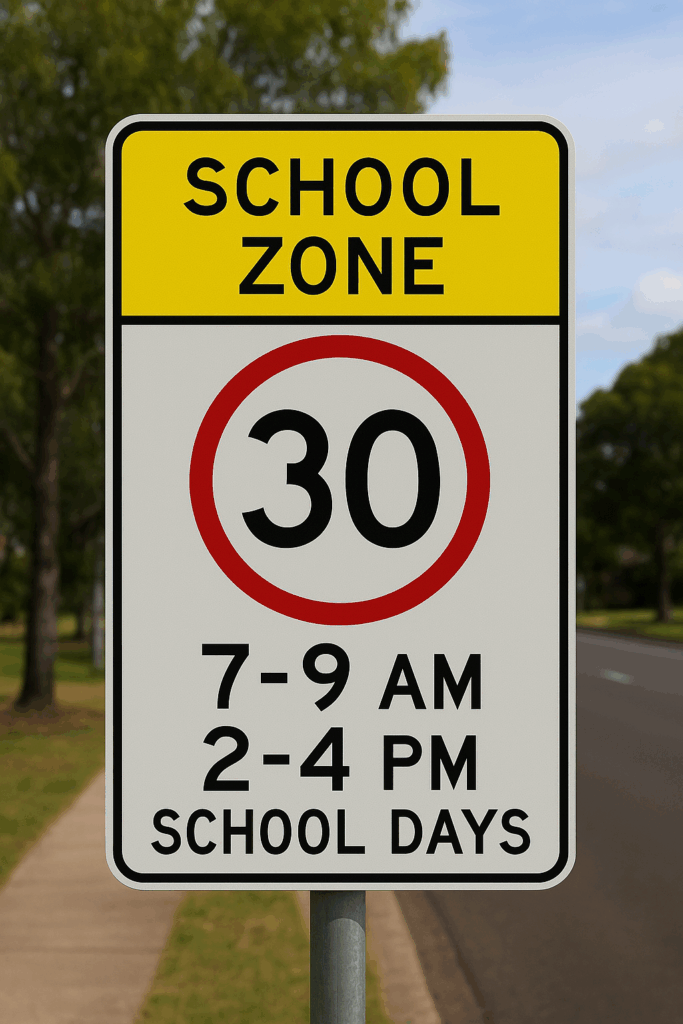
Bikes and cars travel at similar speeds. Everyone can see dangers ahead and react in time at 30km/h. Survivability of a crash at that speed is extremely high. This change has been central to the rise in cycling seen in London and Paris in the last decade. Australia now has the highest default street speeds left in the OECD, alongside Qatar and Saudi Arabia.
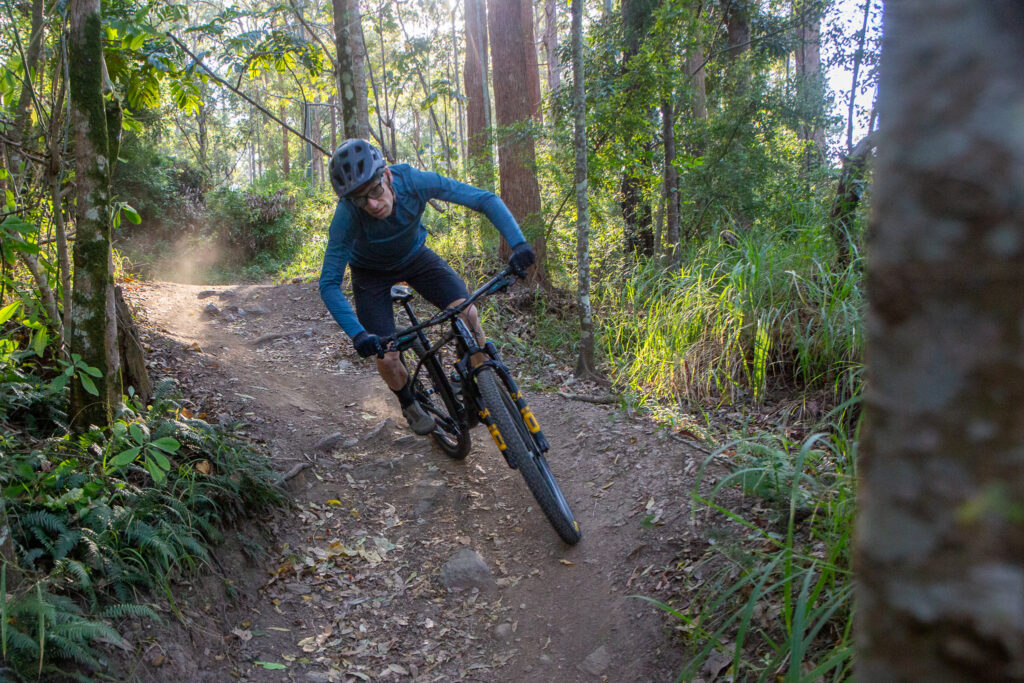
Another area where Australia historically had a lead, but where we are starting to fall behind, is in provisions of trails for gravel riding, mountain biking and children’s BMX riding. Many US states, like Utah, and smaller nations often have state or national trail networks, and strategic plans to build them further out over time. That includes trails in and around the cities and towns (what we might call local trails for local kids) and longer routes that connect up off-road opportunities. This is something we haven’t yet done well in Queensland.
So, I hope that helps members and supporters understand some of the likely directions for advocacy here at BQ in the coming years. You’ll hear more about this as we get going. Expect a major campaign that will bring some of these ideas together.
Bicycle Queensland membership supports BQ’s advocacy and campaining – with a huge range of member benefits.
Bicycle Queensland has welcomed new funding to improve the Kilkivan to Kingaroy Rail Trail and extend the Mary Valley Rail Tr...
There is some good news for Queensland e-bike riders following the introduction of new age and driver licence requirements on...
Far North Queensland’s next wave of trail development is gathering momentum, with construction underway on the next section...
From August 27 until September 27 2026, Bicycle Queensland is giving you the chance to win one of four pairs of Pirelli tyres...