
Exploring Queensland’s Gravel Paradise
For many riders in South East Queensland, the Brisbane Valley Rail Trail (BVRT) has become the gateway to gravel riding. Itâ€...
With a return to school for the new year, every road user will see how school travel adds to congestion, both in the morning and the afternoon. School traffic is one of the major contributors to peak-hour congestion, with nearly 20% of trips involving the school run in both the morning and afternoon in Queensland.
Bicycle Queensland believes meaningful congestion-busting must include making it easier for families to choose active travel to school. Walking, cycling and scooting are a great way to travel. Active travel also has social and physical health benefits for children and can boost their sense of independence, and their readiness to learn each morning.
Not everyone will be able to leave the car at home and ride with their kids to school, or to send them off down the road alone. For many families the time or safe infrastructure may not be there. But there are often still options.
Halfway is OK – you may be able to not just cut distance and time, but also cut out unsafe parts of the route if you drive and park halfway. No having to line up for drop-off and pick-up. This reduces congestion in the immediate vicinity of the school, and adds some time outdoors to your day.
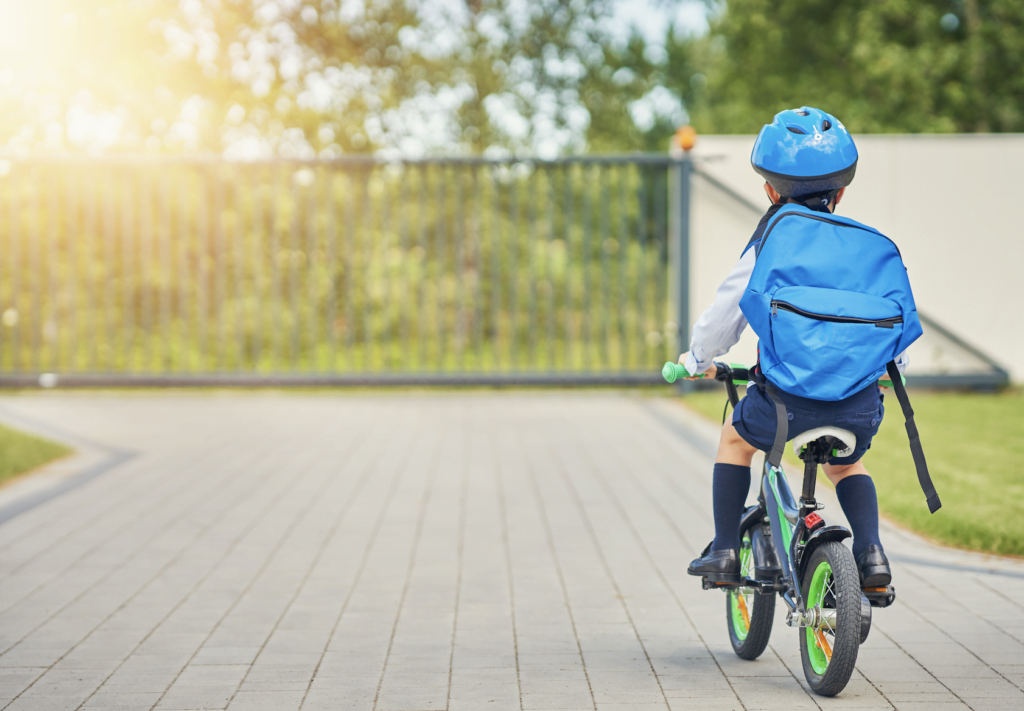
It doesn’t need to be every day – by allowing kids to ride to school even one or two days a week will build good habits and add important physical activity.
Lead by example – ride or walk with your younger children; make sure you wear a helmet correctly and model safe riding behaviour on paths and roads.
Keep it social! Gently encourage your kids to ride with friends. Map a safe route and share it with other parents, see if they’ll come along. Contact your school or P&C and ask about setting up an active travel group – maybe even a bike bus one day a week!
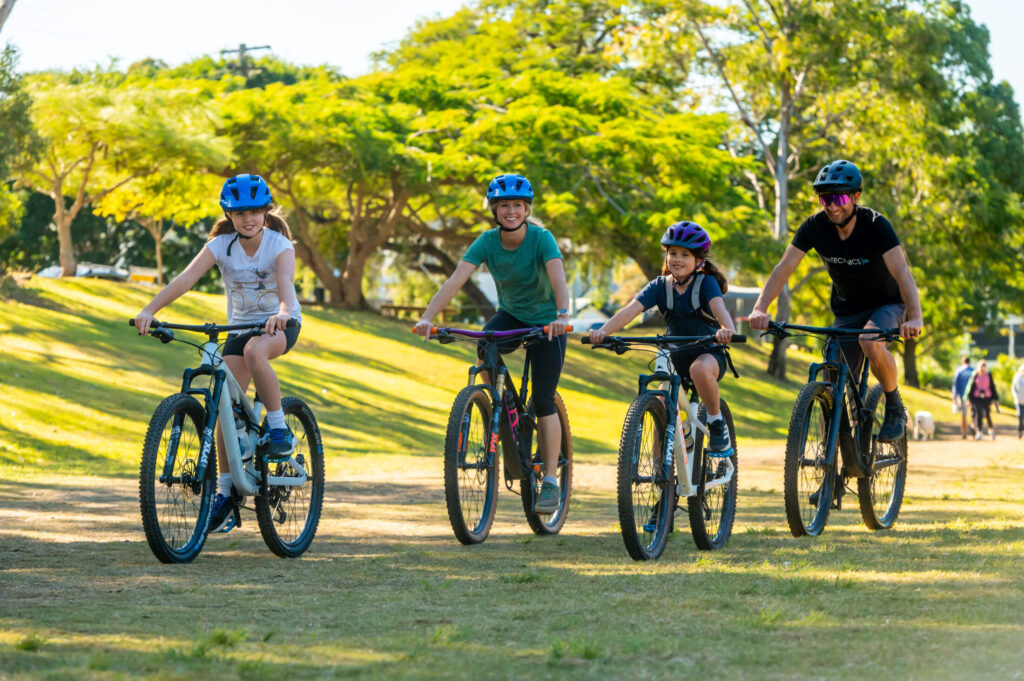
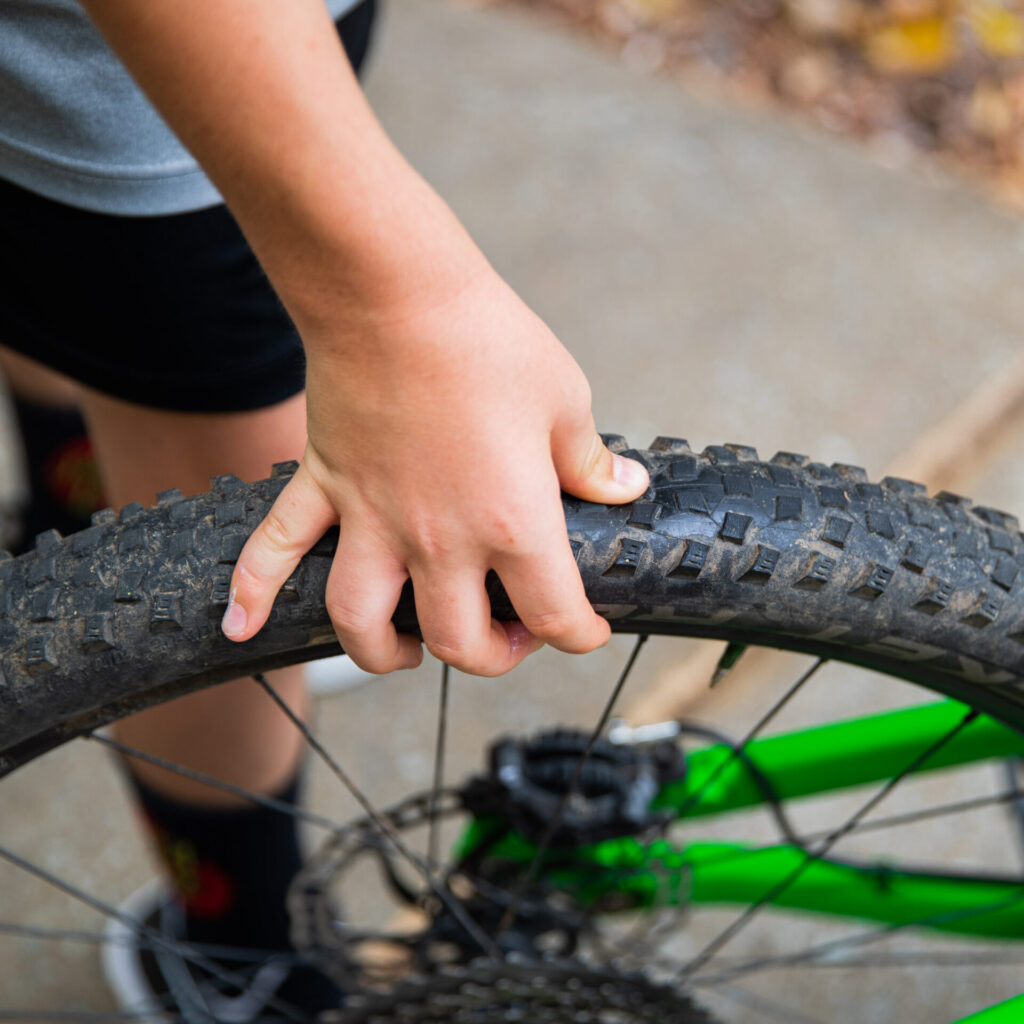
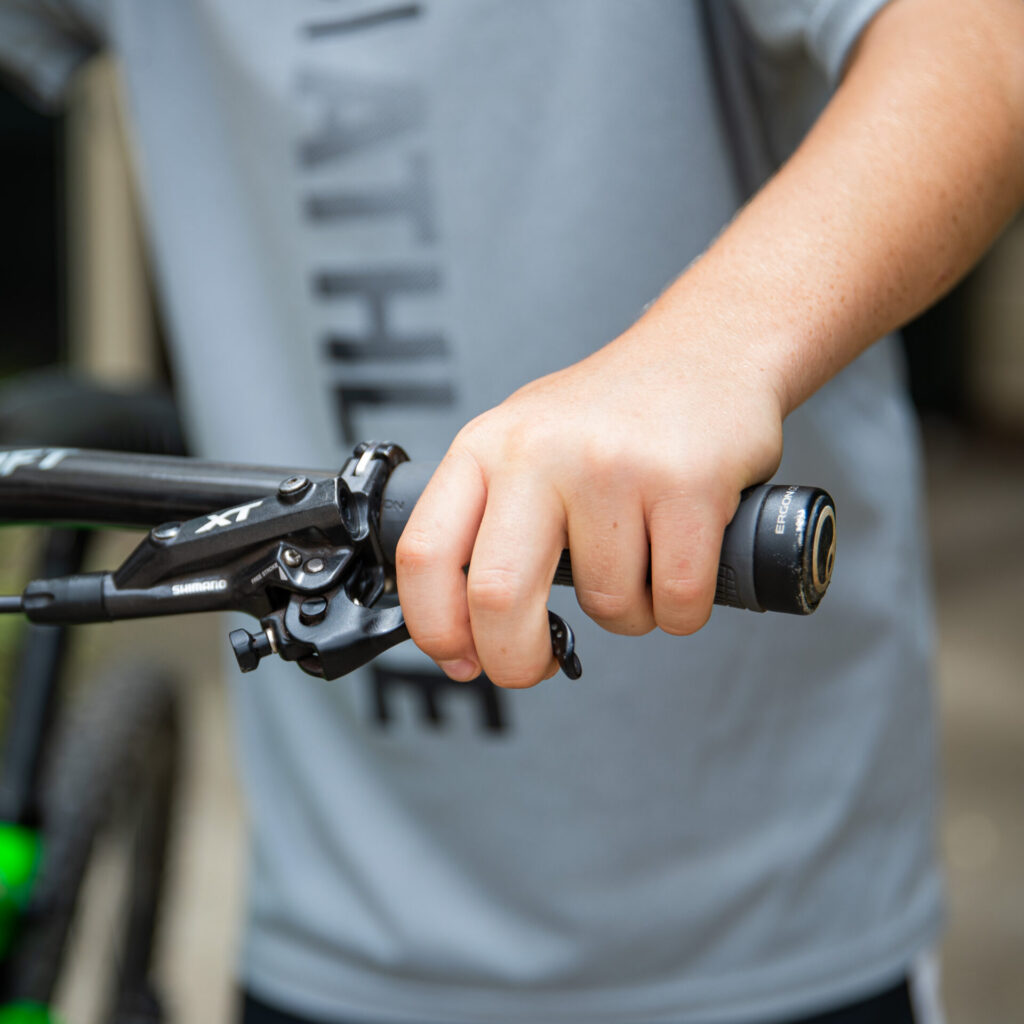
If your kids are about to roll to school – don’t forget to give their bike a safety check. From having air in the tyres, to brakes that work (and brake levers they can reach), a bell and nothing loose or rattling – it all makes a difference to having a bike that is safe, and fun to ride.
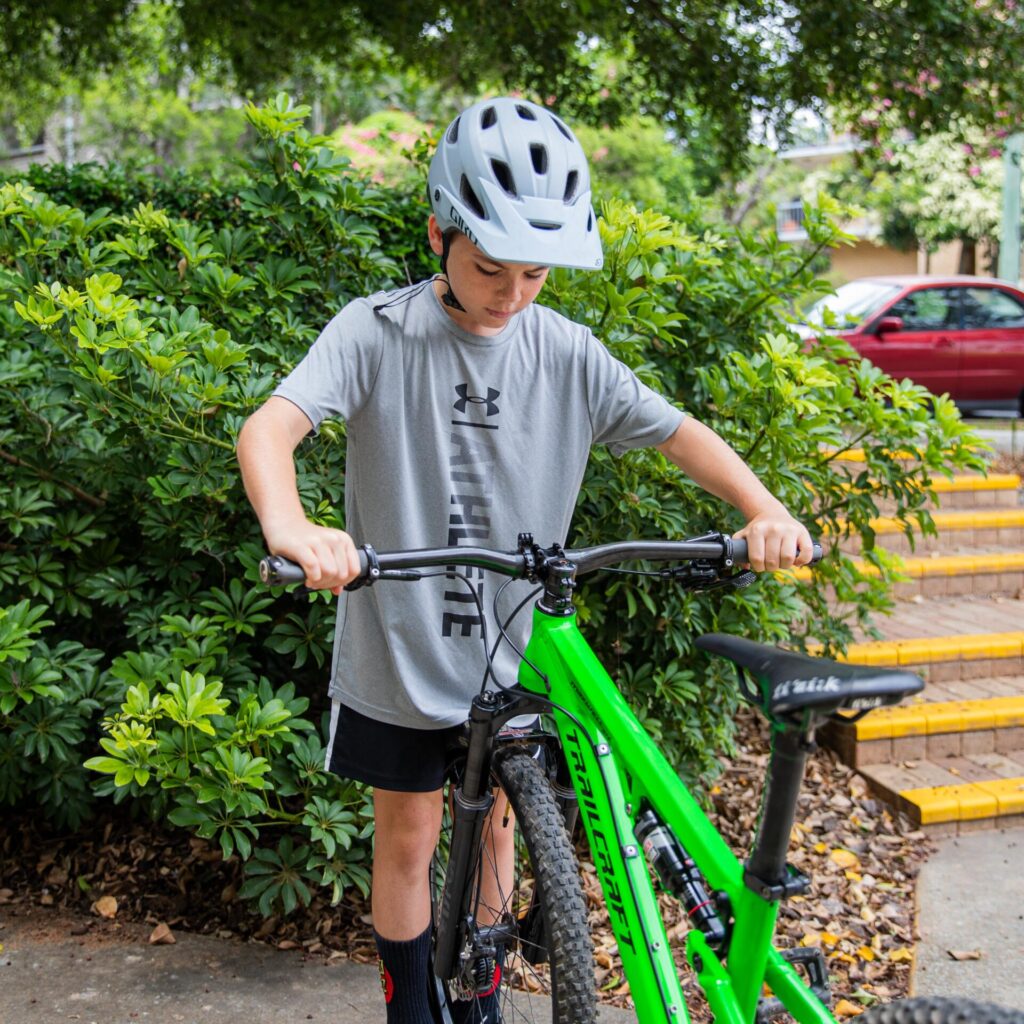
Bike helmets make a big difference to rider safety. Make sure they are in good condition and fitted correctly. It is easy to run a safety check on the helmet itself – make sure there are no visible cracks or colour degradation. Any straps should be complete without small cuts or fraying. A light squeeze on the helmet may reveal a small crack opening up – if so the helmet is ready for the bin!
At BQ we recommend replacing most bike helmets within 3 years if used regularly, given the incidental knocks and damage, and UV degradation. Best practice is to visit your local bike shop to have a helmet fitted, to make sure the size and fit is correct. Do not buy a helmet to grow into!
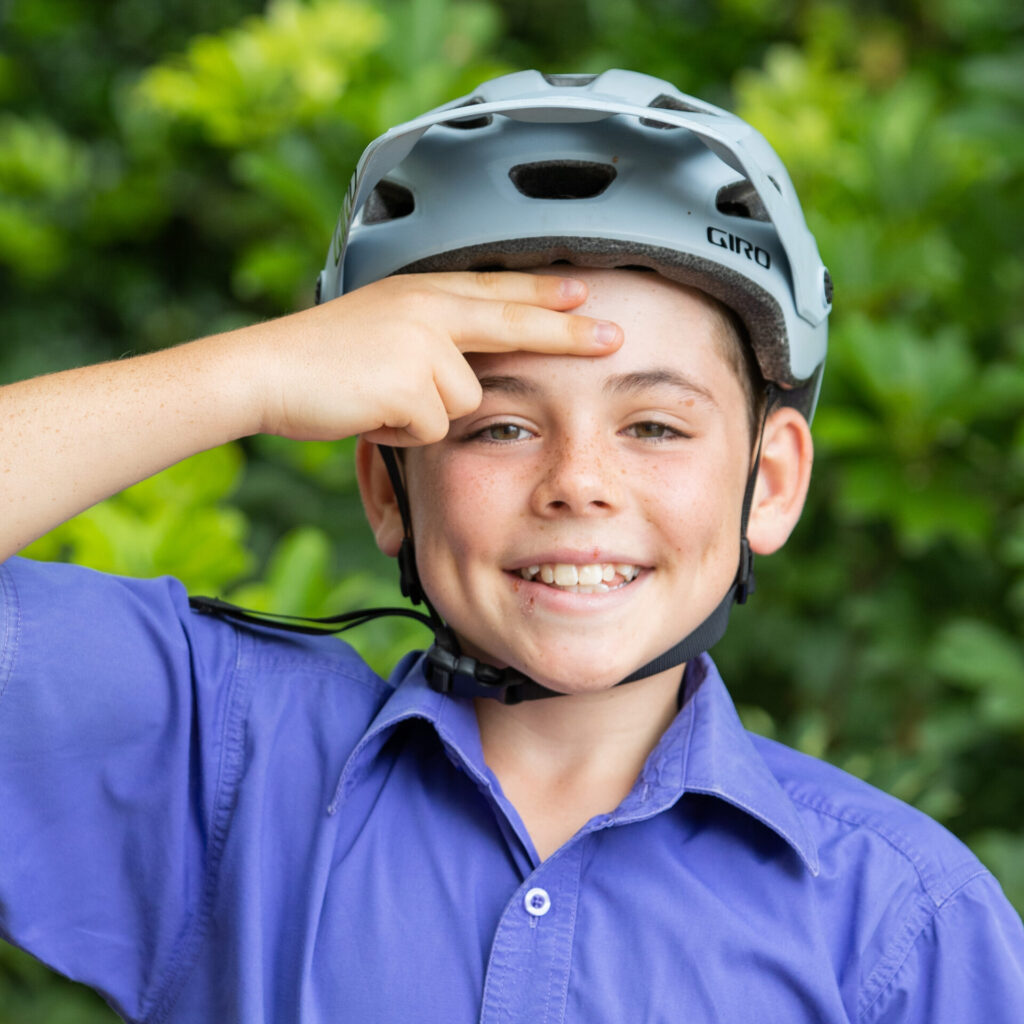
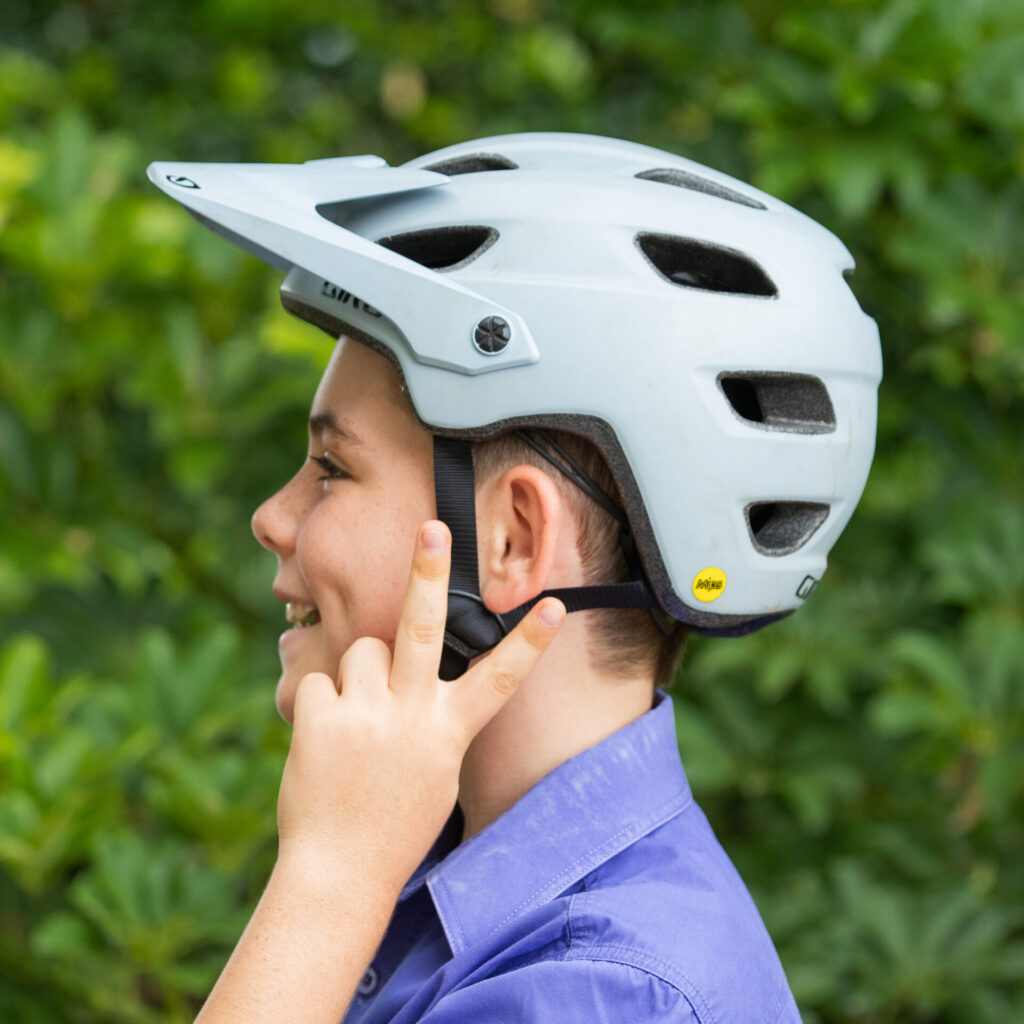
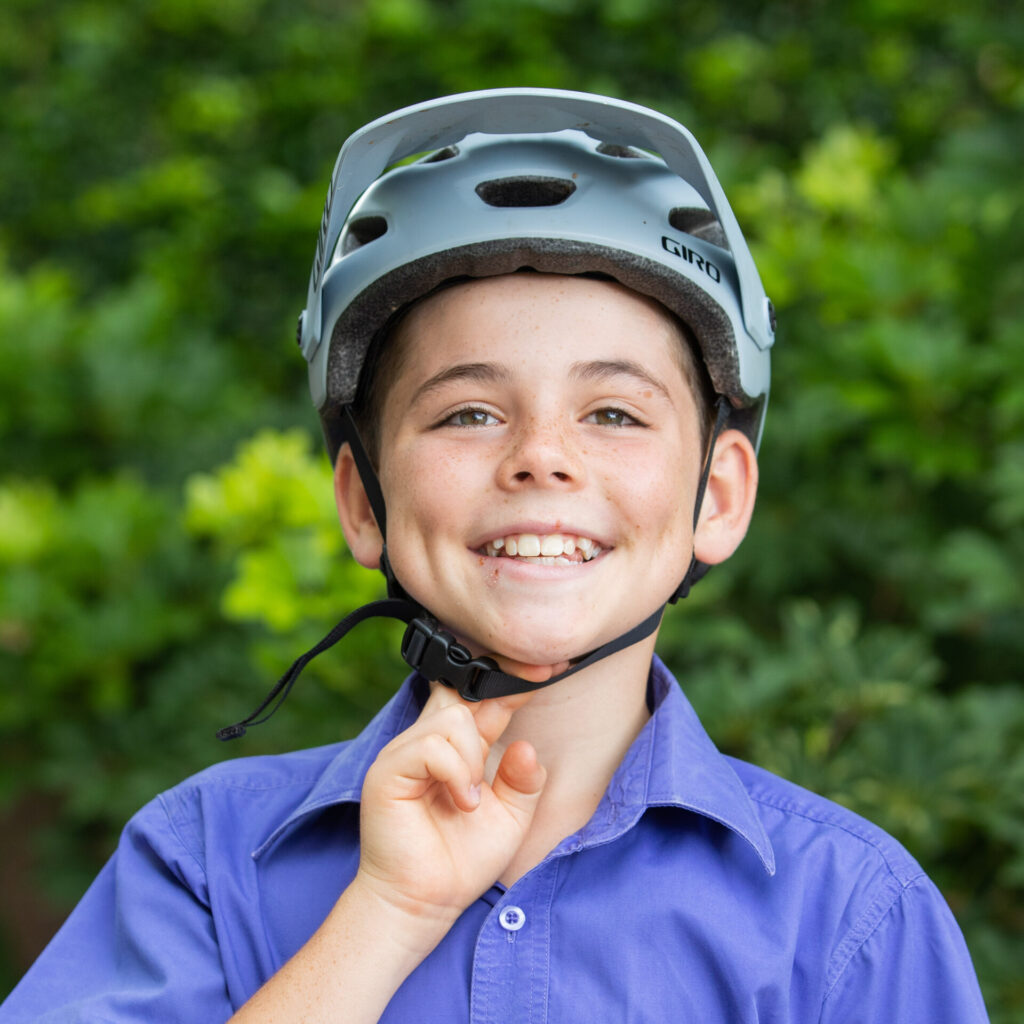
When it comes to fitting, please focus on the following:
Position – sitting in the middle of the forehead
Buckles – Centre the main buckle under the chin by adjusting the straps
Side Straps – These should sit like a neat ‘Y’ shape about 1cm below the ear. This precents fore-aft movement.
Chin Strap – This should be tight enough that when screaming in ecstasy at the joy of bike riding, light pressure is felt on top of the head.
Here at Bicycle Queensland we love “new bike day”. If your kids are due a new bike it pays to get proper advice from a good bike shop. Bicycle Queensland has a range of partner stores, listed on our website.
When looking at a new bike, fit and function need to lead the decision making, with a nod to good looks. Everyone still needs to like their new bike!
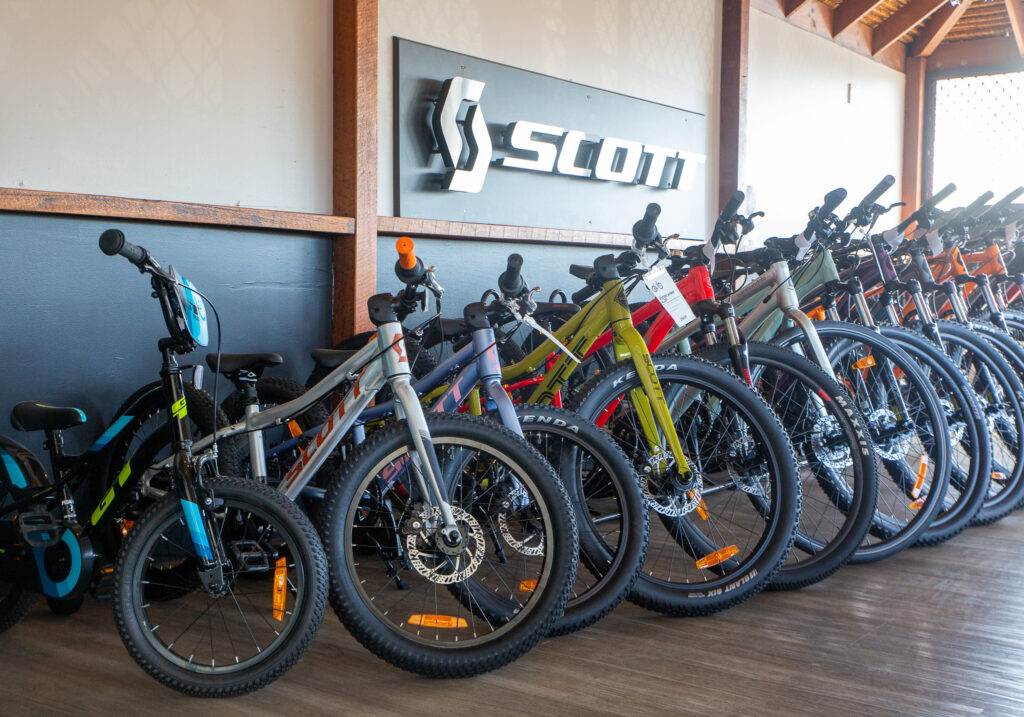
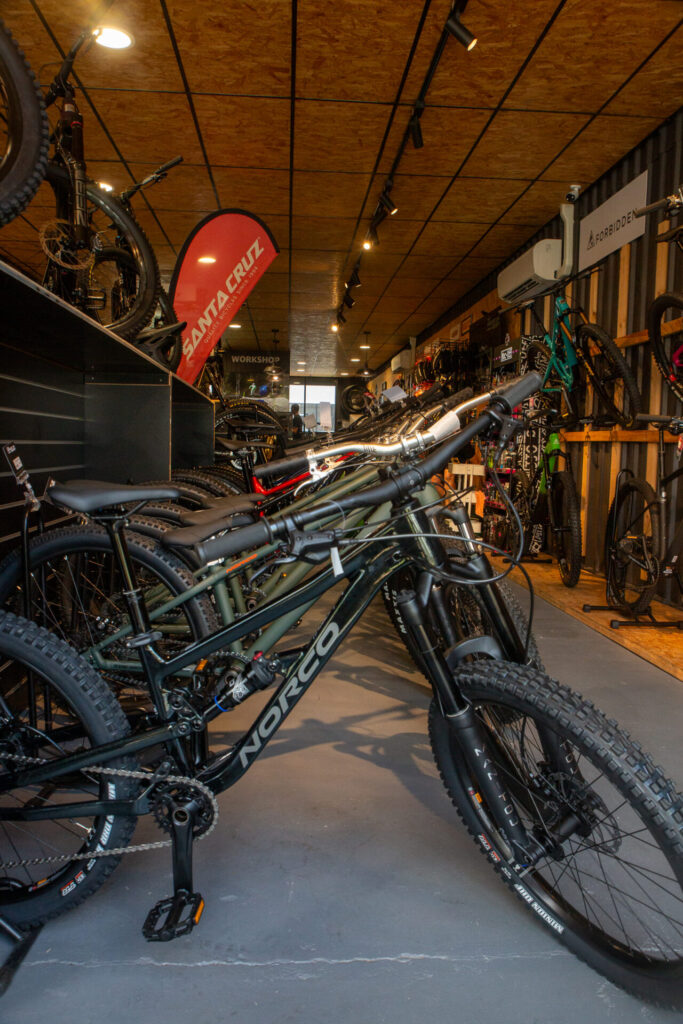
Take advice from your trusted store on bike sizing and bike type. Be honest about how the bike will be used, to help get the right type. While it’s ok to leave some room to grow on a bike for your child, if it’s too big they won’t gain the confidence to ride much – and the bike may remain unridden.
Just about any bike will have adjustable brake levers – check that your child can reach the levers and compress them easily. We have some further notes on bike sizing on our website. If you’re not sure, trust the advice from a reliable bike shop.
The most important thing is to buy a suitable bike. If you’re looking at an e-bike for your older teenager, ensure it meets Australian standards. Ask the retailer to see the EN15194 code on the bike. The Australian government has only just legislated that e-bikes must meet that standard again to be allowed in the country. If an e-bike doesn’t carry that standard, it is unlikely to be safe or legal for use beyond your own property. There are more details about e-bike standards and rules on our website.
When it’s time to plan a route for your kids to take to school, or to ride with them – route selection is everything. It is highly unlikely that the best way to ride to school is the same as the route you would drive. Most of the time, you need to find the trade off between the safest, flattest and shortest routes when cycling – and in the case of school travel we’d prioritise safety.
Google Maps can get you started, just select cycling as the mode of travel. It will use bikeways where they exist. Open Street Maps is also handy, as you can lay a filter over the map they will show all bike routes – or public transport. If you’re a keen rider you could even use your Strava account for suggested routes via heatmaps – although a popular route with Strava users may not necessarily be best fit for your child’s school commute.
Do a trial run on a weekend to fact check the route works, without the time pressure around school drop off.
If your child will be locking their bike up at school, there are a few simple things for them to remember at school for safety and security.
Queensland has a climbing road toll, including for cycling deaths. Infrastructure and education need to change. We want zero road deaths. Helsinki achieved this last year, so we know it’s possible. Helsinki has 11 times the number of cycle trips per capita than any Queensland city, helped by 30km/h speeds in school neighbourhoods and safer road crossings. This is why BQ advocates for lower default street speeds (40km/h is not very safe!) and safer cycling infrastructure.
BQ is also advocating for a regulatory change to allow schools to do temporary street closures in morning and afternoon peaks, as they do in Europe, Japan and Korea. These ‘School Streets’ create safe spaces near schools and encourage walking and cycling to school.
“School Streets are extremely popular with schools and local communities abroad, offering a much safer and more social space at the school gate.” said BQ CEO Professor Matthew Burke. “They replace outdated car-based school drop-off arrangements that prioritise car travel into or through the school itself, which just concentrate road danger tightly into the school environment.”
By reducing school traffic there will be time savings on the road for others, but the critical change is building healthier children and young people, a safer road environment and a more connected community.
You can support Bicycle Queensland’s advocacy work by becoming a member, or referring a friend.
For many riders in South East Queensland, the Brisbane Valley Rail Trail (BVRT) has become the gateway to gravel riding. Itâ€...
Community-led bike events play a vital role in activating rail trails and cycling infrastructure, strengthening local econom...
When Nicky and her young family packed up their lives in Canada and moved to Brisbane, they assumed they’d be buying a car ...
Sherwood Community Kindergarten deliver a play-based curriculum as part of their teaching methodology, and that includes bike...