
BQ Member profile: Ellen Beaumont
For Ellen Beaumont, sport has never been something she dabbled in. It has shaped her identity, her routines, and the way she ...
There is a misconception that cyclists and motorists are enemies on the road. In reality, we share a common goal to get from point A to point B. With more drivers learning to share the road, it’s important to address common cycling myths that circulate our communities. Cyclists, motorists or pedestrians – we are all people before anything else.
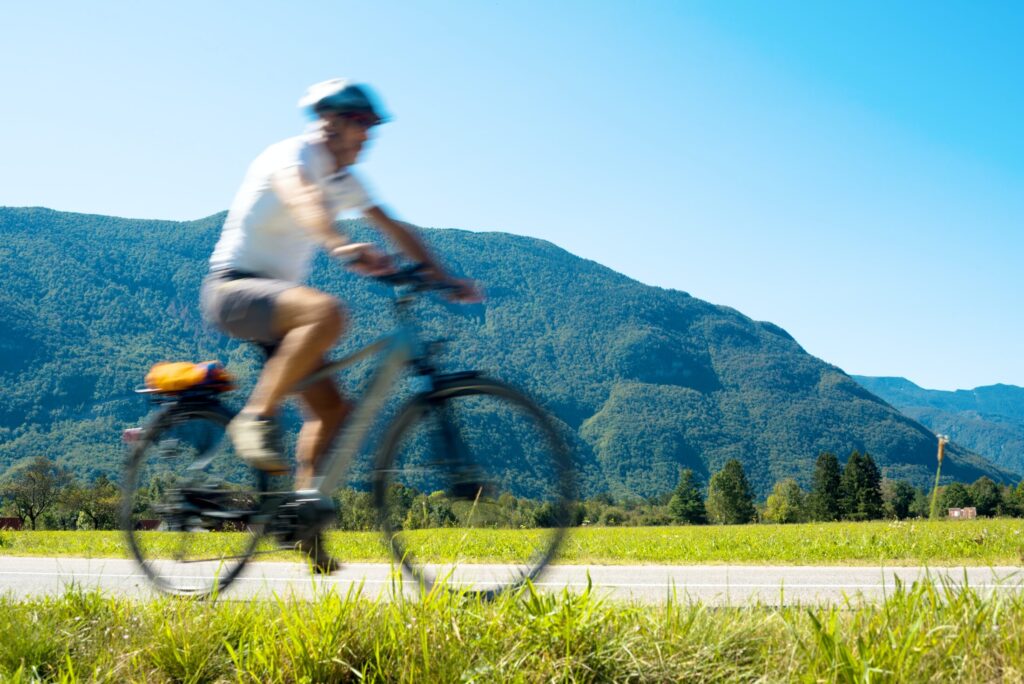
It all comes down to empathy. Reacting with an emotional response is not always the most effective way to respond. It’s natural to become frustrated at close calls, but when we focus on the core concerns, people have a greater ability to shift negative emotions in a productive direction. I’m not saying that we should excuse anyone that compromises a bicycle rider’s life, but it would go a long way if we could have a shared voice, seeing things from a shared perspective, and using this to push for safer roads for everyone.
To help establish a shared voice, Bicycle Queensland is bringing clarity common cycling myths some people hold about bicycle riders. We can encourage the healthy war between those that live North and South of the river, or those that follow the Maroon’s or the Blue’s, but we shouldn’t accept wars between different road users because, at the end of the day, we all have to share the roads.
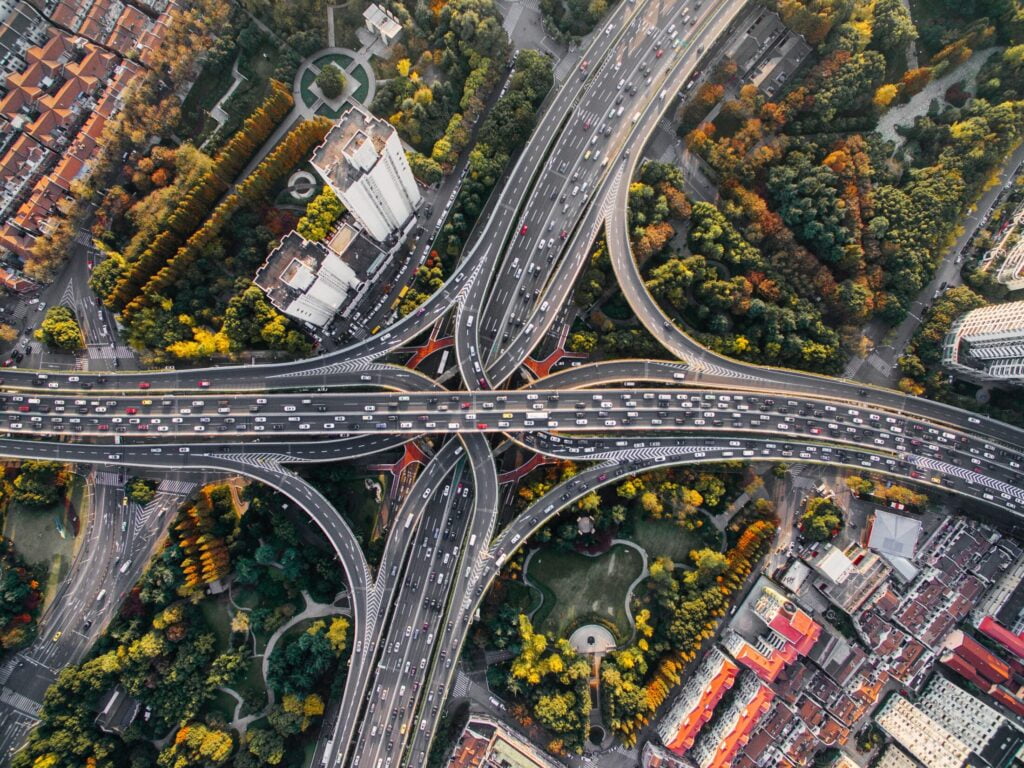
What slows down traffic is traffic. Peak hour traffic on arterial roads in Brisbane travels at an average speed of 35 km/h. On Council roads, the average speed is 26 km/h, which is equal to the speed of a fit bicycle commuter.
Myth. The significant costs to taxpayers of a registration scheme would far outweigh the limited benefits. Evidence suggests that a registration scheme would stop the rise of active transport and do little to improve road safety. Council rates and federal taxes, such as Australia’s Goods and Services Tax, are the main sources of revenue for road infrastructure – not motor vehicle registration fees. Notably, more than 80% of cyclists already pay car registration. Above all else, when bicycle riders take to the paths or streets, they reduce the impact of motor vehicles on road infrastructure and save the community $0.60 for each kilometre they ride instead of driving and they are a far more sustainable mode of transport.
This is false. All bicycle riders have the same rights and responsibilities as vehicle drivers. Some additional rules allow bicycle riders to make hook turns at intersections and cross pedestrian crossings if it is safe to do so. Fines apply to riders that break the rules and all riders must giveaway to pedestrians.
Bicycle riders can choose whether to ride in a bicycle lane where one is provided. However, bicycles cannot ride on a bike lane on the opposite side of the road travelling into oncoming traffic. Cars can use special-purpose lanes (bicycle lane) if they are trying to avoid an obstruction, obey other traffic signals or the vehicle is making a permitted manoeuvre such as, overtaking to the left of a vehicle that is turning right. This is okay for up to 50m in a bicycle lane or 100m in any other special-purpose lane.
Myth. In Queensland, bicycle riders can use any footpath (unless otherwise signed) if they keep to a safe speed, sound their intention, follow bicycle etiquette, and giveaway to all pedestrians.
Myth. If riders are no more than two abreast and up to 1.5m apart, there is no limit to the number of riders behind each other. Evidence would suggest that it is safer to ride in a group as this increases the visibility and decreases the chance of being involved in a crash. It is, however, important to be conscious of other road users and be clear with your intentions in busy urban environments.
Myth. Bicycle riders can pass on the left unless a vehicle is turning left and indicating. In the case of a heavy or long vehicle, we advise you to stay out of the vehicle’s blind spots. If you can’t see the truck’s mirrors, they can’t see you.
Myth. It is a legal requirement that all bicycles be fitted with a front (white) and rear light (red) while riding in low light environments. Bikes also need a red rear reflector that is visible up to 50m away. Watch our ‘What to wear’ video to find out more.
Myth. Details must be collected from anyone involved in an accident. If someone is injured or in immediate danger, call 000, but once everyone is safe, collect the details of all involved including witnesses. If you believe property damaged in the accident exceeds $2500, call the police to the scene.
Did we debunk any common cycling myths for you?
For Ellen Beaumont, sport has never been something she dabbled in. It has shaped her identity, her routines, and the way she ...
By Mike Blewitt Ask most cyclists about wet weather gear and they’ll i...
By: Mike Blewitt When it comes to making cycling clothing for challengin...
When the pandemic-driven cycling boom reshaped Australia’s bike industry, many retailers diversified to meet surging demand...