
BQ’s e-bike glossary
Watt are you torquin\' about? E-bikes and the systems that offer pedal&nb...
What you fuel yourself with after exercise is just as important as the exercise itself! Here are a few nutrition tips to consider after exercise.
When thinking about recovery nutrition after exercise, it’s useful to consider the three R’s.
The advice below is generalised for the recreational exerciser. Specific nutrition requirements will differ depending on the level of intensity and duration of physical activity.
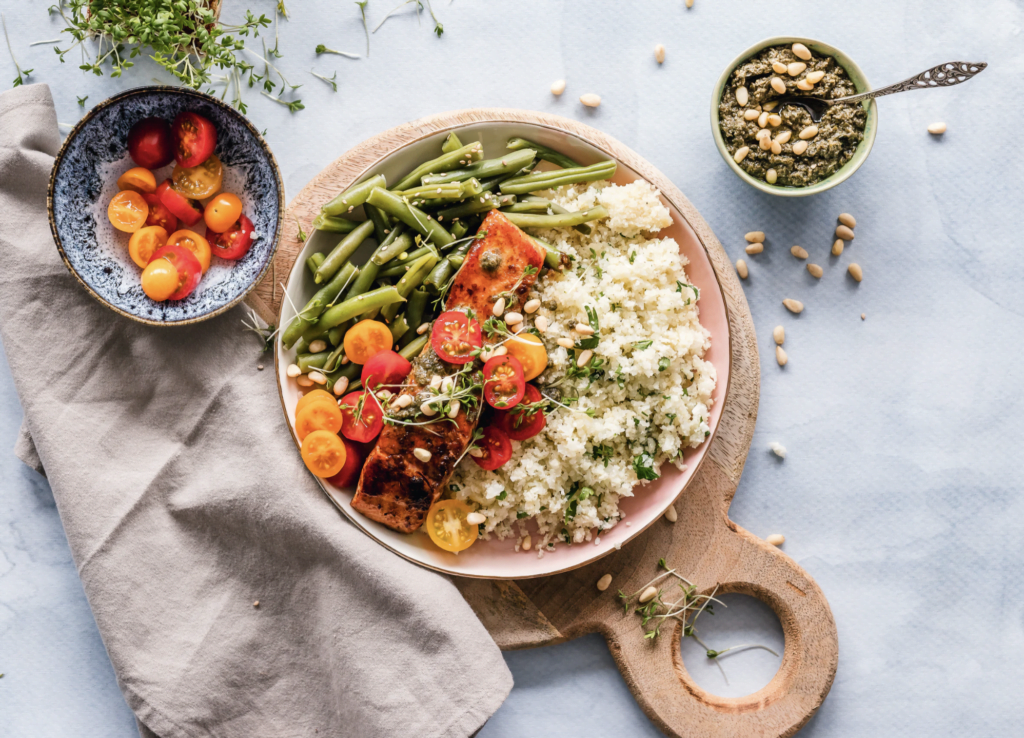
Well, the amount of food your body needs for recovery depends on the length and intensity of your exercise. If you’re exercising multiple times a day, you need to fuel yourself quickly. The first 60 to 90 minutes after exercise is the most effective time for the body to replace carbohydrate and promote muscle repair. Try using your next main meal as your form of recovery nutrition, including the three Rs previously mentioned. If this isn’t possible, have a small snack until you are able to have your next main meal.
Be sure to rehydrate to replace sweat losses by hydrating after exercise. While water should be the drink of choice for most people, sports drinks may also play a role if needing to ingest both carbohydrates and fluids/electrolytes at the same time.
Related: What to eat and drink during exercise
For personalised and tailored sports nutrition advice, find an Accredited Sports Dietitian near you.
Written by Carly Booth, Accredited Practising Dietitian from Nutrition Australia Qld a non-profit, community nutrition organisation that provides education, support and training to shape the health and wellbeing of our community to make informed food choices.
Watt are you torquin\' about? E-bikes and the systems that offer pedal&nb...
For Ellen Beaumont, sport has never been something she dabbled in. It has shaped her identity, her routines, and the way she ...
By Mike Blewitt Ask most cyclists about wet weather gear and they’ll i...
By: Mike Blewitt When it comes to making cycling clothing for challengin...