BQ’s e-bike glossary

Watt are you torquin’ about?

E-bikes and the systems that offer pedal assistance come with a whole new vocabulary. And while navigating Queensland’s new e-mobility laws, it helps to have your head around some of the terms, to avoid being taken for a ride by an e-device retail cowboy! 

Watts, watt-hours, torque, peak power, continuous power, cadence sensors – what does it all mean? 

Understanding the terminology is particularly important when talking about e-bike power. A legal e-bike in Queensland must have a maximum continuous rated power output of no more than 250 watts. That doesn’t necessarily mean the motor can never produce more than 250W. Most compliant e-bike systems will produce above 600W for short periods, which is ideal for hilly areas, toting kids in a cargo bike or for a step-up feature on the local mountain bike trails. 

That’s just one important differentiation – but here is a complete glossary with some explainers. 

Amp-hour (Ah) 

Amp-hours describe a battery’s electrical charge capacity. 

You’ll often see batteries advertised using both volts and amp-hours. Multiplying nominal voltage by amp-hours gives an approximate battery capacity in watt-hours. 

For example, a 36V, 14Ah battery has a nominal capacity of about 504Wh. 

Assistance level 

Most e-bikes offer multiple assistance levels, often with names such as Eco, Tour, Trail, Sport, Turbo or Boost. 

Higher modes generally provide more assistance for a given amount of rider input, but typically use more battery energy. Lower assistance modes can extend range and may provide a more natural riding feel. Most good e-bike systems have at least one dynamic setting, where the system won’t waste energy if you’re just cruising, but it won’t limit the support on offer when you really give it the beans. Top systems let you tune that delivery of support via an app, but in general, the people who get paid a salary to set them do a pretty good job. 

Cadence 

Cadence is how quickly you pedal, measured in revolutions per minute (rpm). 

Some e-bike motors are designed to provide their strongest or most efficient assistance within a particular cadence range. Changing to an easier gear and increasing your pedalling cadence can therefore help some mid-drive systems perform more effectively on steep climbs. 

It is not uncommon for riders new to e-bikes to forego using the gear range, instead relying on the modes of the e-bike system and torque. Not only will this wear out the drivetrain faster, but you don’t actually utilise the performance of the system. 

Cadence sensor 

A cadence sensor detects pedal rotation rather than directly measuring how hard you’re pushing on the pedals. 

On simpler systems, detecting that the cranks are turning can be the trigger for the motor to provide assistance. The result can feel less directly connected to rider effort than a torque-sensing system, although the sophistication of cadence-based systems varies considerably. This is typical of a very simple e-bike system, delivering a disconnected ride. 

Derestricting / chipping 

Derestricting, sometimes called chipping, is modifying an e-bike’s hardware or software so its motor continues to provide assistance beyond its designed or legal limits. 

A bike modified so that its motor continues assisting beyond the legal 25km/h assistance limit is not a legal e-bike for use on Queensland public roads, paths and trails. 

Similarly, software limiting or “locking” a high-powered device doesn’t necessarily turn it into a legal e-bike. The underlying motor and device still need to meet the relevant requirements. 

E-motorbike

A bike that gains forward momentum via a throttle, and not the pedal system. Pedals may be present, but if the throttle assists beyond the legislated 6km/h, or the output or speed limits are beyond those determined by the EN 15194 standard – it is an e-motorbike. This includes electric trail bikes.

EN 15194 

EN 15194 is the European standard for electrically power-assisted cycles, commonly referred to as EPACs. 

Queensland’s e-bike rules use EN 15194 as the relevant standard. Among the key requirements for legal public use are a maximum continuous rated motor output of 250W, pedal assistance that cuts out at 25km/h, and throttle-only assistance limited to 6km/h. 

EN 15194 means much more than a 250W rating. The standard includes safety and performance requirements and testing covering the motor management system, electrical system, charging system and other aspects of the complete e-bike. For consumers, EN 15194 compliance therefore provides a useful indication that an e-bike has been designed and tested against an established set of safety and performance requirements. Look for the compliance sticker! 

EPAC 

EPAC stands for Electrically Power Assisted Cycle. 

It is the terminology used for the type of pedal-assisted e-bike covered by EN 15194. The important word is assisted: the electric motor assists the rider rather than turning the bicycle into an electric motorcycle. 

Hub motor 

A hub motor is built into the hub of the front or rear wheel. 

Hub motors drive the wheel directly rather than transferring their power through the bike’s chain, cassette and gears. They can offer a relatively simple and cost-effective e-bike system and are common on value-focused urban and commuter bikes. 

Most aftermarket hub systems won’t easily comply with the EN 15194 standards, so check for compliance markings. 

Maximum continuous rated power 

This is the important figure behind the 250W limit for EN 15194 e-bikes. EN 15194 is a widely recognised safety and performance standard for electrically power-assisted cycles (EPACs), and is the standard referenced by Queensland’s e-bike regulations. 

Maximum continuous rated power relates to the power output the motor is rated to sustain under defined operating conditions, reaching a point of thermal equilibrium rather than continuing to build heat. 

For an EN 15194 e-bike, this maximum continuous rated power is 250W. The motor may produce considerably more power for shorter periods, such as when accelerating or tackling a steep climb, without changing its 250W continuous rating. 

That’s why saying a compliant e-bike motor “can’t produce more than 250W” is misleading. 250W describes its maximum continuous rated power, not its peak output. 

Mid-drive motor 

A mid-drive motor is positioned around the bike’s bottom bracket and crank area. 

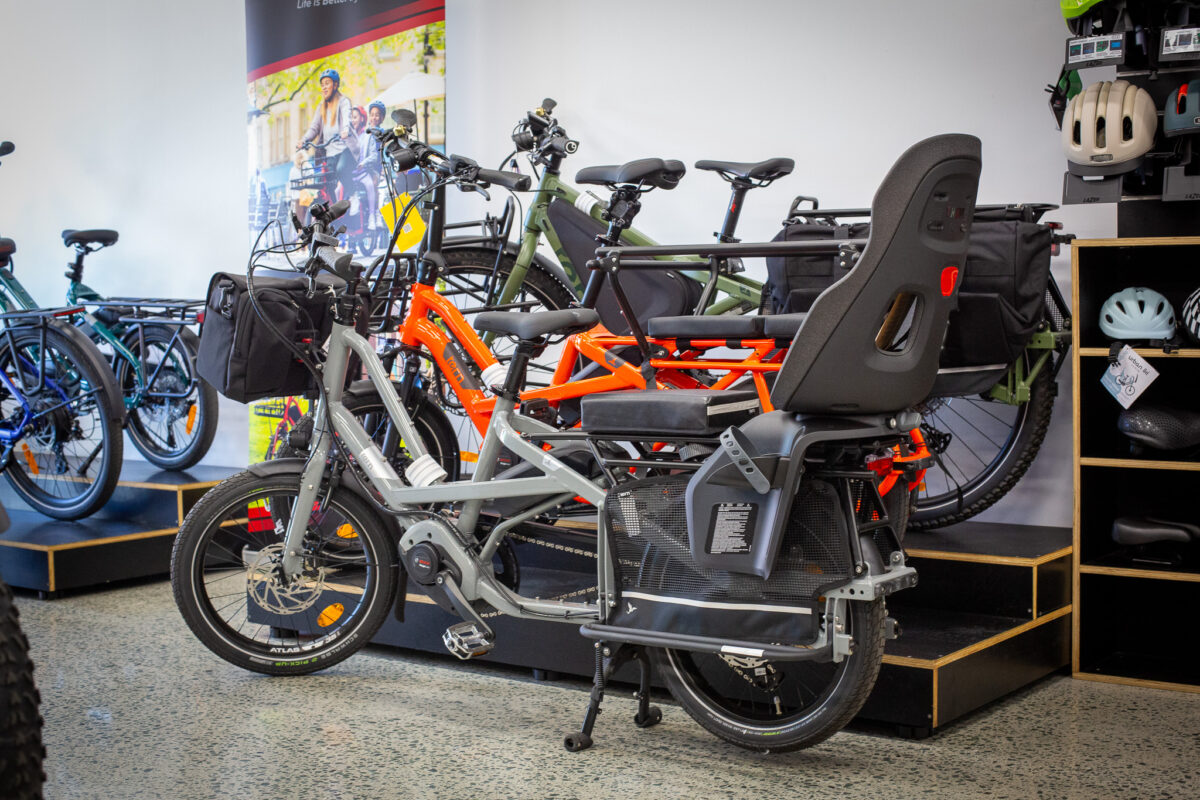
It transfers power through the bike’s drivetrain, allowing the motor to take advantage of the bike’s gears. Centralising the motor and its mass can also provide balanced handling, which is one reason mid-drive systems are common on e-mountain bikes, performance e-bikes and many cargo bikes. 

Motor cut-off 

The motor cut-off is the point at which the motor stops providing assistance. 

For a legal e-bike in Queensland, motor assistance must cease at 25km/h. It is important to remember that this isn’t a speed limiter for the bicycle itself. You can pedal or coast faster than 25km/h; you’re simply doing it without assistance from the motor. Many cheaper e-bike systems will exhibit a lot of drag once the assistance is removed. A high-quality e-bike will still feel much closer to a normal bike, albeit a heavier one. 

Newton-metre (Nm) 

A newton-metre, abbreviated to Nm, is the unit of measurement for torque. 

Peak power 

Peak power is the higher output an e-bike motor may be capable of producing for short periods, such as when accelerating or climbing. 

An EN 15194-compliant motor rated at 250W maximum continuous power may therefore produce considerably more than 250W momentarily. 

Peak power and maximum continuous rated power are not the same measurement, so a peak-power figure shouldn’t automatically be used to determine whether an e-bike meets the 250W continuous-power requirement. Peak power helps you start on hills, keep a heavy load moving for short bursts, and tackle technical climbs on an eMTB. 

Pedal assist 

Pedal assist means the motor provides assistance while you pedal rather than replacing pedalling altogether. 

For a legal e-bike in Queensland, the pedals must be the primary source of power. Motor assistance must stop at 25km/h. You can ride faster than 25km/h, but the motor can’t continue helping you above that speed. A good e-bike system tapers the support off around that point, so it doesn’t feel like you have hit a patch of mud! 

Range 

Range is the distance an e-bike can travel using its battery. 

Unlike a car’s fuel-tank capacity, there’s no single reliable range figure. Rider weight, cargo, hills, wind, temperature, tyres, tyre pressure, surface, motor efficiency, assistance mode and rider effort can all have a major effect. 

Manufacturer range estimates are therefore best treated as a guide rather than a guarantee. And based on the above, the range one rider gets on a given ride may differ from another – even on the same route with the same e-bike system. 

Range anxiety 

Range anxiety is the concern that you’ll run out of battery before reaching your destination. 

The good news? A legal e-bike is still a bicycle. If the battery runs flat, you can keep pedalling – although the additional weight of the motor and battery may make the trip home a little harder! 

It pays to keep an eye on your battery level indicator and moderate your use of the support if range anxiety weighs heavily on your mind. 

Throttle 

A throttle lets the rider request motor power without applying force through the pedals. 

On a legal Queensland e-bike, throttle-only motor assistance is limited to 6km/h. Above this speed, the rider must pedal for the motor to provide assistance. 

This is quite different from high-powered throttle-controlled electric motor bikes that can travel at substantial speeds without the rider pedalling. These are illegal to use in public areas unless they are a registered vehicle. 

Torque 

Torque describes rotational force. On an e-bike, a higher maximum torque figure can help a motor provide strong assistance when accelerating, climbing steep hills or moving a heavily loaded cargo bike. 

But torque isn’t the same thing as power. Motor design, software, gearing and the way assistance is delivered all contribute to how powerful an e-bike actually feels. 

On an eMTB or e-cargo bike, the combination of a higher torque rating (and using the gears of the bike) makes climbing hills easier. The lower gears let you maintain the cadence needed for the motor to deliver the output you need. For e-cargo bikes or eMTBs, expect 75Nm or greater – unless you are looking at lightweight eMTBs. 

Torque sensor 

A torque sensor detects how much force the rider is applying through the pedals and allows the motor system to adjust its assistance accordingly. 

Push harder and the motor can provide more assistance; ease off and assistance reduces. This can create a responsive and natural-feeling ride. A modern e-bike system reacts to how you ride, allowing nuanced input from the rider. If you’re barely turning the pedals over, you’ll have barely any assistance. Push harder, and the pedal-assist system will do the same. 

Some systems will communicate this by percentage of support, with around 400% being in the upper reaches. That would mean you are getting out 4x what you’re putting in – but that will only happen when the torque is high. 

Voltage (V) 

Voltage describes electrical potential. Common e-bike systems use nominal voltages such as 36V or 48V. 

Voltage is only one part of an electrical system’s specification and shouldn’t be treated by itself as a measure of an e-bike’s power or legality. 

Walk assist / walk mode 

Walk assist provides low-speed motor assistance while you’re pushing the bike rather than riding it. 

It can be particularly useful with heavier e-bikes when pushing up a ramp or steep hill. Queensland rules allow throttle-controlled assistance up to 6km/h. 

Watt (W) 

A watt is a unit of power. On an e-bike, watts are commonly used to describe the power produced by the electric motor. 

However, a watt figure needs context. 250W maximum continuous rated power and 600W peak power, for example, aren’t necessarily contradictory specifications. They are measuring different things but using the same way we measure power. 

Watt-hour (Wh) 

Watt-hours measure energy and are commonly used to describe an e-bike battery’s capacity. 

A 500Wh battery can theoretically supply 500 watts for one hour, 250 watts for two hours, and so on – although real-world e-bike range is far more complicated. Your EV or house battery uses kilowatt-hours, a far bigger unit of measurement but the same concept. Your toaster might run at 2kW, which would burn through a house battery pretty quickly – except you don’t tend to use a toaster for hours on end. 

Everything from assistance level and rider weight to hills, wind, tyre pressure, tyre tread, temperature and riding speed affects how far a battery will take you. Some e-bike systems have a nifty range estimator built into the head unit or app. Generally, a larger Wh figure means more energy is available and therefore you have more range. 

For the rules covering where and how you can legally ride an e-bike in Queensland, see Bicycle Queensland’s E-bike laws explained guide. 
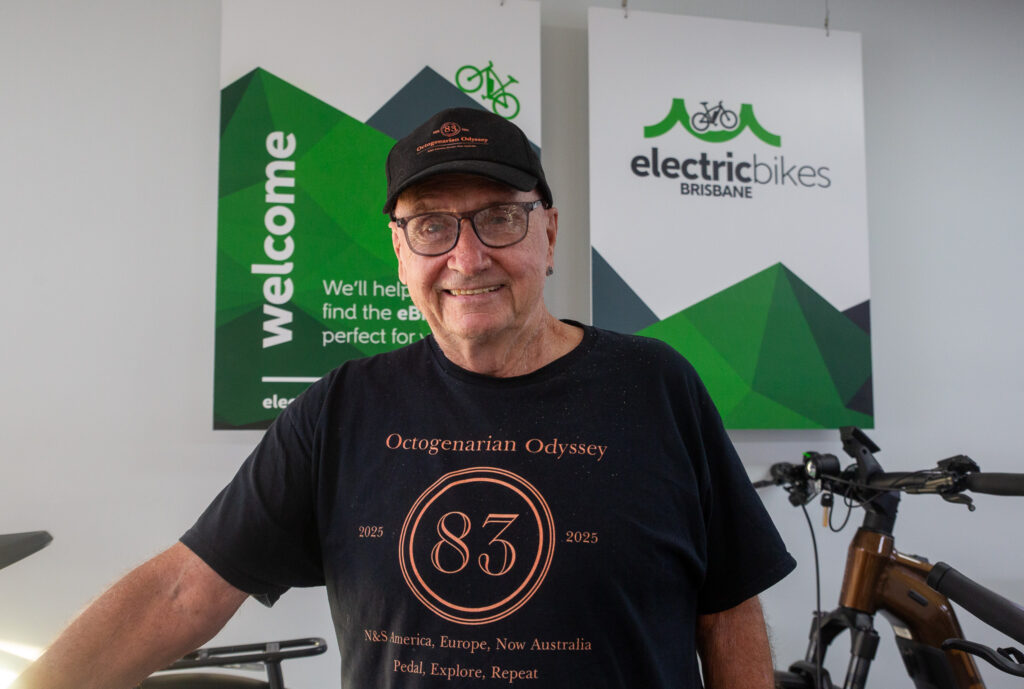
BQ Meets: Rob Fletcher – tackling the Octogenarian Odyssey

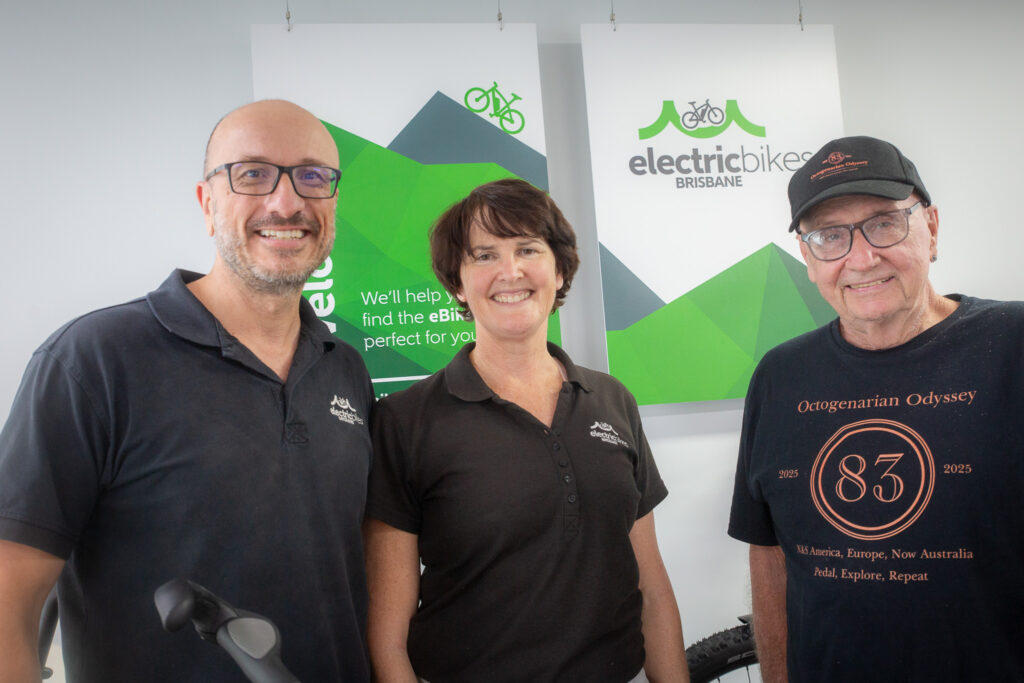
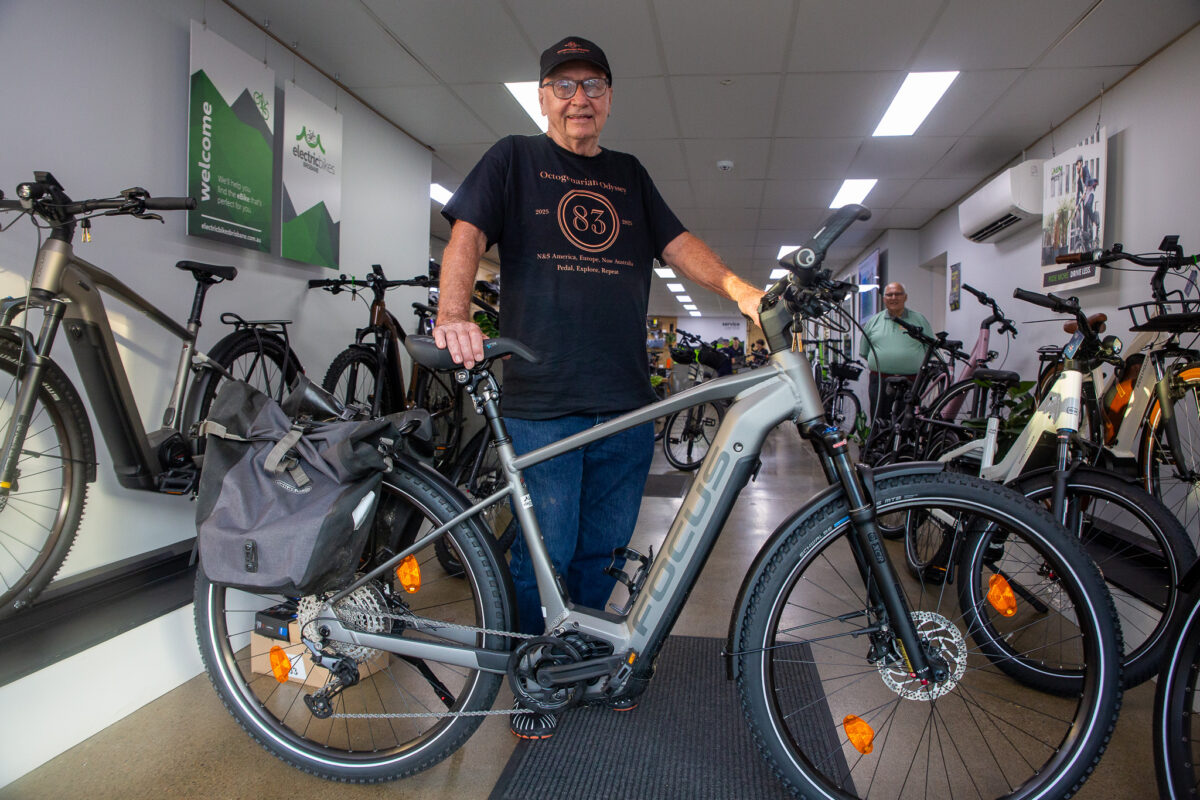
At 83 years young, Robert Fletcher is not one to let age or a little thing like the size of a continent get in the way of adventure. Currently riding around Australia on an e-bike rented through Bicycle Queensland’s BQ Link partner Electric Bikes Brisbane, Rob is deep into what he’s calling the “Octogenarian Odyssey” – a 15,000-kilometre loop that’s more about people and purpose than pedal strokes. Rob has mapped this route out to take 171 days.

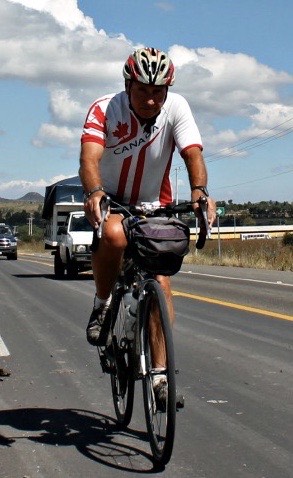
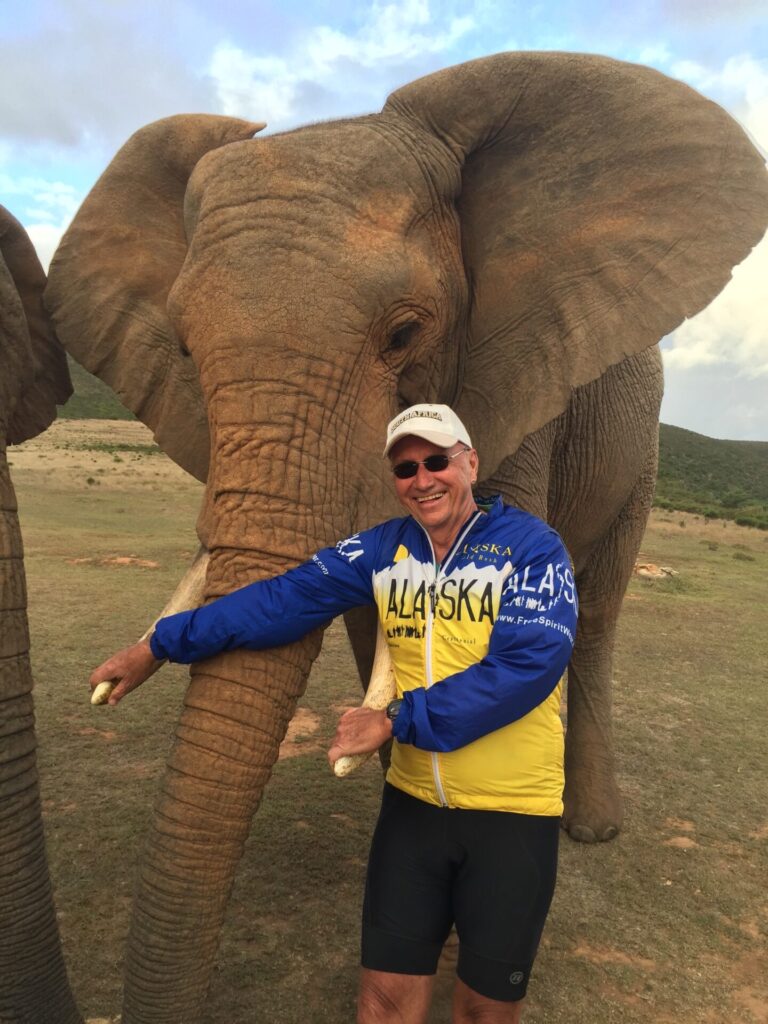
Having already completed rides through North America, South America and Europe in his eighties, Rob’s Australian adventure is not about adding another notch to a belt of bucket list rides. Instead, it’s about proving what’s possible, celebrating human connection, and inspiring others, especially older Australians, to get moving again.

The spark behind the spokes

Why does someone in their eighties decide to ride a bike around one of the hottest, driest, and most sparsely populated continents on Earth?

“I do these rides to prove that age is just a number,” Rob said. “Most people at my stage in life are slowing down. I like to show that, with the right mindset, you can keep going – and keep growing.”

That mindset is what powers Rob more than the motor in his e-bike. For him, long-distance cycling is a spiritual experience, one that strips life back to the essentials.

“Cycling is my meditation. You’re focused, you’re present, and the simplicity of it all just opens you up to the world in a way that few things can.”

But the deeper drive is connection. Rob relishes the human encounters on the road. From roadside chats in roadhouses to overnight hosts in country towns, he says the warmth and generosity of Australians have been overwhelming.

“I’ve had total strangers offer me meals, beds, showers. There’s this beautiful side of humanity that comes out when you’re on a journey like this,” he said. “It’s why I don’t think of this as a solo ride. Every person I meet becomes part of the odyssey.”

Challenges on the open road

That said, riding across Australia isn’t exactly a walk in the park. The distance is formidable, the conditions often harsh, and the logistics anything but simple – especially on an e-bike.

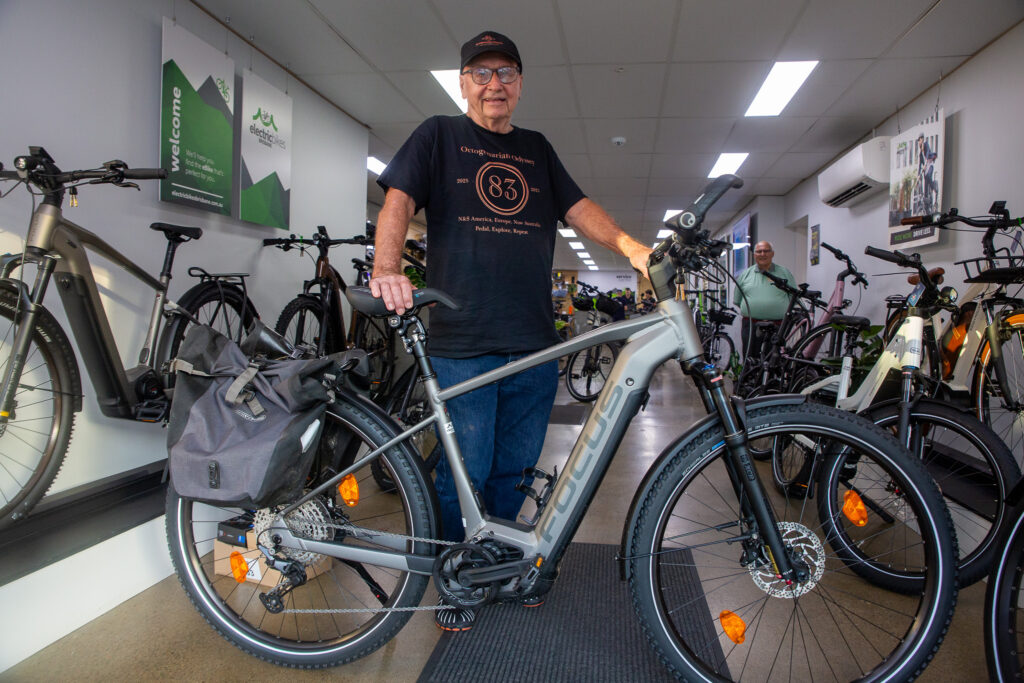
Rob is hiring a Focus Jarifa e-bike from Electric Bikes Brisbane. This model uses a Bosch Performance CX pedal assist system, and you can choose a wide range of modes for the pedal assistance. But managing battery life is crucial.

“You can’t just ride flat-out,” he explains. “I use Eco mode most of the time, and only boost it when I really need it – like headwinds or hills. You have to be strategic.”

Finding power to charge batteires isn’t always easy, either. Some stretches of outback road require careful planning to ensure there’s a place to recharge each night.

“I’ve gotten good at sweet-talking caravan park owners,” Rob jokes. “People are generally happy to help when they hear what you’re doing.” They will also be carrying a generator to charge batteries overnight – or even on a break.

Then there’s the heat. Even in the cooler months, parts of Australia can feel brutally hot on a long ride. Rob says hydration, pacing, and early starts are essential. “You listen to your body. If it says slow down, you slow down. You don’t mess around with the heat out here.”

The role of e-bikes in active ageing

Rob is a passionate advocate for electric bikes and not just for adventurers like himself, but for everyday people who want to move more but feel limited by age, injury or fitness.

“E-bikes are a game changer. They flatten the hills, take the edge off the effort, and make riding accessible again,” he said. “There’s no shame in using a motor to get outside and enjoy life.”

He’s quick to point out that using an e-bike isn’t about cheating – especially on rides like his, where effort, planning and grit are all still very much required.

“The motor doesn’t ride the bike for you. You still have to turn the pedals, face the weather, and make decisions. But it helps you go further and enjoy it more. And that’s what matters.”

Rob’s approach to cycling echoes Bicycle Queensland’s mission to make riding more accessible and enjoyable for all Queenslanders, regardless of age or ability.

The legacy of the ride

Rob doesn’t sugar-coat the effort required to do what he’s doing. It takes preparation, patience, perseverance and the support of his family. But he hopes his journey inspires others, particularly older Australians, to challenge assumptions about what they can and can’t do.

“A lot of people my age have internalised the idea that their best years are behind them,” Rob said. “I want to show that they’re not. You can start something new at 60, 70, 80. Life doesn’t have to shrink.”

He’s also using the ride to raise funds for a cause close to his heart, Médecins Sans Frontières, bringing further purpose to every kilometre.

As for what’s next? Rob isn’t sure but he’s not done yet. “There’s always another road to ride, another story to hear. As long as I can pedal, I’ll keep exploring.”

Follow Rob’s journey and learn more about the Octogenarian Odyssey at https://octoodyssey.com/ or Linktr.ee/Octoodyssey


Mountain Gorilla Conservation Society of Canada

Robert Fletcher’s journey is raising vital support for the Mountain Gorilla Conservation Society of Canada and the One Health Scholarships, a mission focused on fostering lasting impact, partnership, and innovative solutions.

The One Health Scholarship program is more than education, it’s an investment in bold leaders who will stand at the crossroads of health, conservation, and community resilience. Each master’s degree costs $40,000 USD to fund.

To learn more about the Mountain Gorilla Conservation Society of Canada, please visit mgcsc.ca.

BQ Link: Meet Lug+Carrie

If you pass through any larger CBD in Queensland, there is a good chance you will see a different range of bikes compared to a decade ago. And it’s not just gravel bikes and road disc bikes at cafes. The rise and rise of e-cargo bikes has arrived in Australia, with notable growth in the last few years. It would be fair to say that Lug+Carrie have been part of that change.

Starting in Melbourne, the business has operated as a subscription service for Tern e-bikes since 2020. Launched by Ben and Dan Carr, the brothers developed the business idea given the need for more urban mobility. If Australians to see a bike as transport, and not just for sport, there was potential for a real shift in transport modes. E-cargo bikes were the perfect fit, but given their high cost to purchase, creating a subscription model would allow people to see if getting around by bike suited them, without a capital investment. Since then, Lug+Carrie expanded to Sydney and opened a store in Brisbane in late 2022.

‘Brisbane has responded really well to e-bike subscriptions,’ said Harriet Muir from Lug+Carrie, when asked about the Queensland response. ‘There are options around to lease e-bikes, but with Lug+Carrie people can commit to as little as 4 weeks – it is a very low risk and low cost way to see if an e-cargo bike suits you.’

The subscription model works within a service zone that covers about a 20km radius from Brisbane, which means subscribers not only get a quality e-cargo bike at a weekly rate, but that includes servicing at home and even rider rescue as well. It really takes out a lot of concern about maintenance and flat tyres for people thinking about getting on an e-bike – as well as getting rid of the upfront cost.

However, Lug+Carrie often find riders do want to buy a bike, as they end up convinced. While buying out subscription bikes has been possible, all three stores now sell e-bikes – and a greater range as well.

‘Our subscription offered 3 different e-bikes from Tern,’ Harriet explained, ‘this really helped to offer such a high level of service for subscribers. But with the popularity of e-cargo bikes, we can offer more bikes with direct sales, from both Tern and Riese and Muller.’

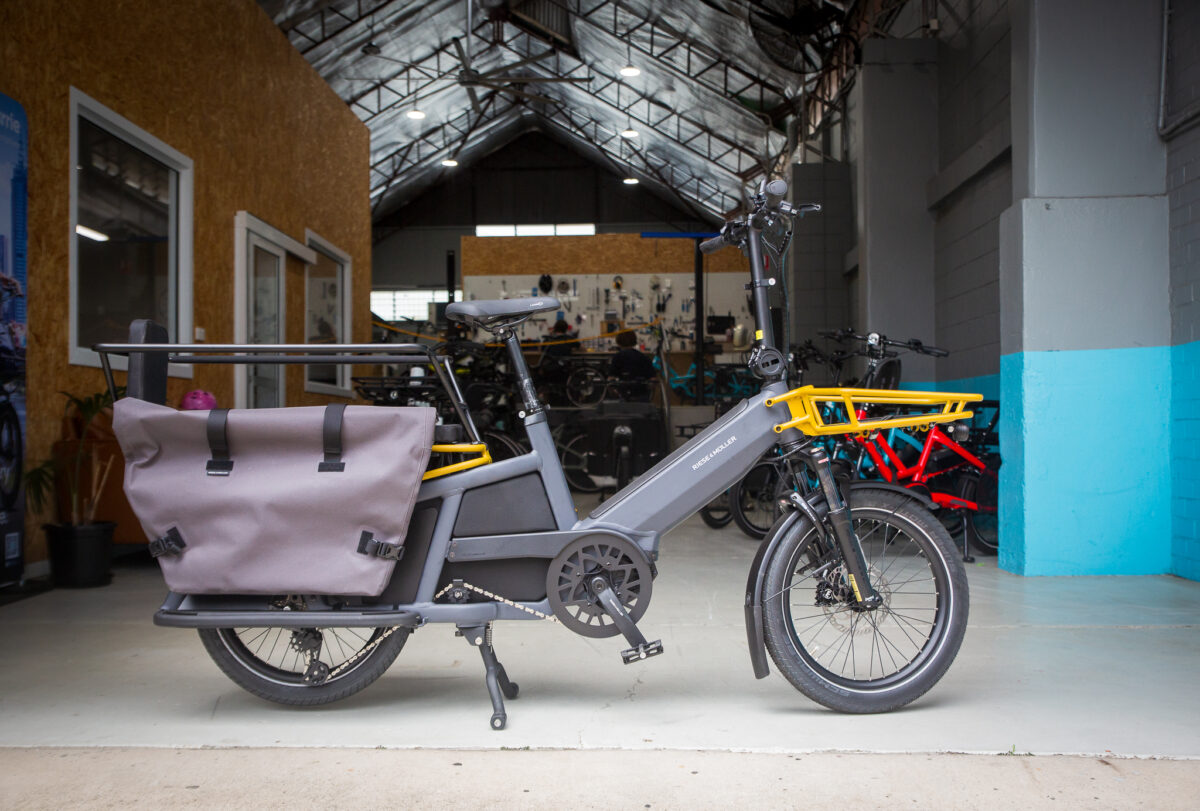
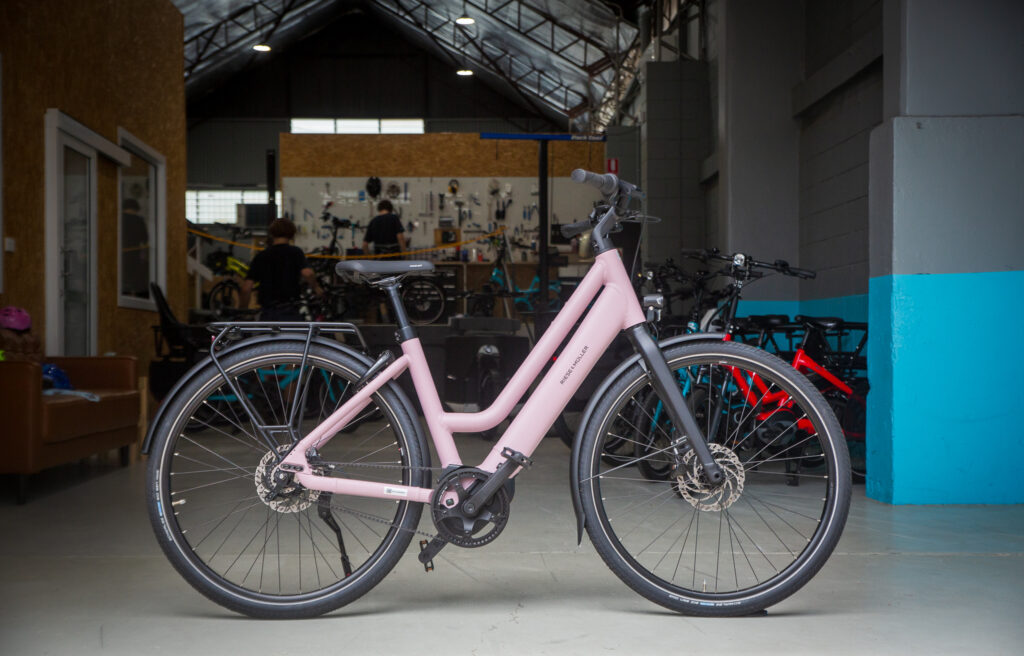
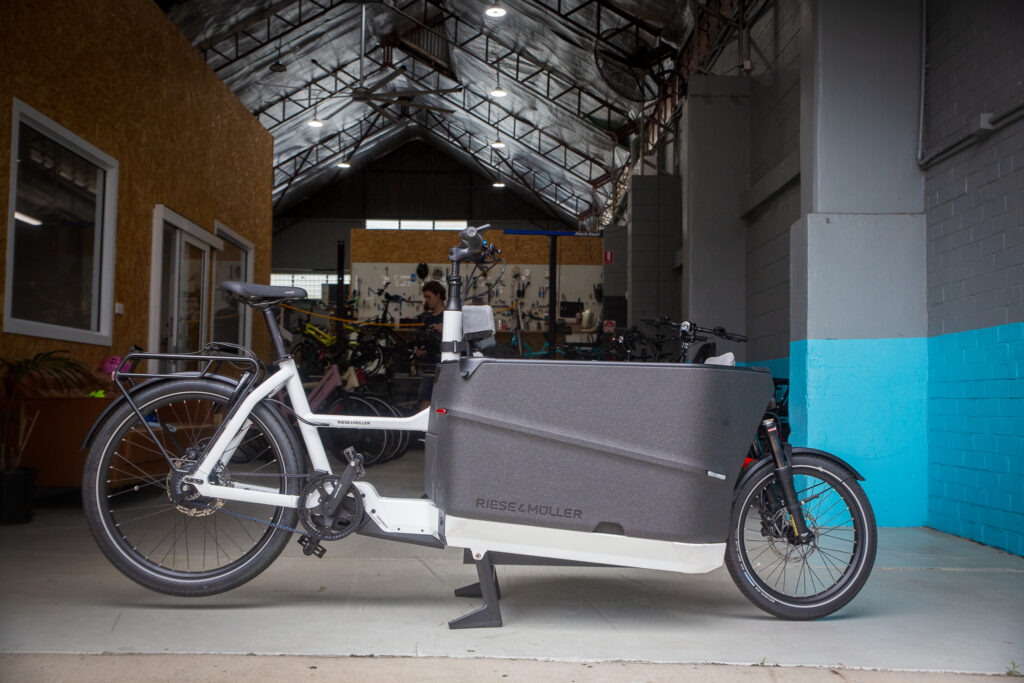
This means Lug+Carrie will now sell the Tern Vectron folding e-bike, the Tern Orox off-road adventure e-bike and the compact Tern NBD. The Riese and Muller range will have front loader e-cargo bikes and will also use the well-regarded Bosch e-bike systems.

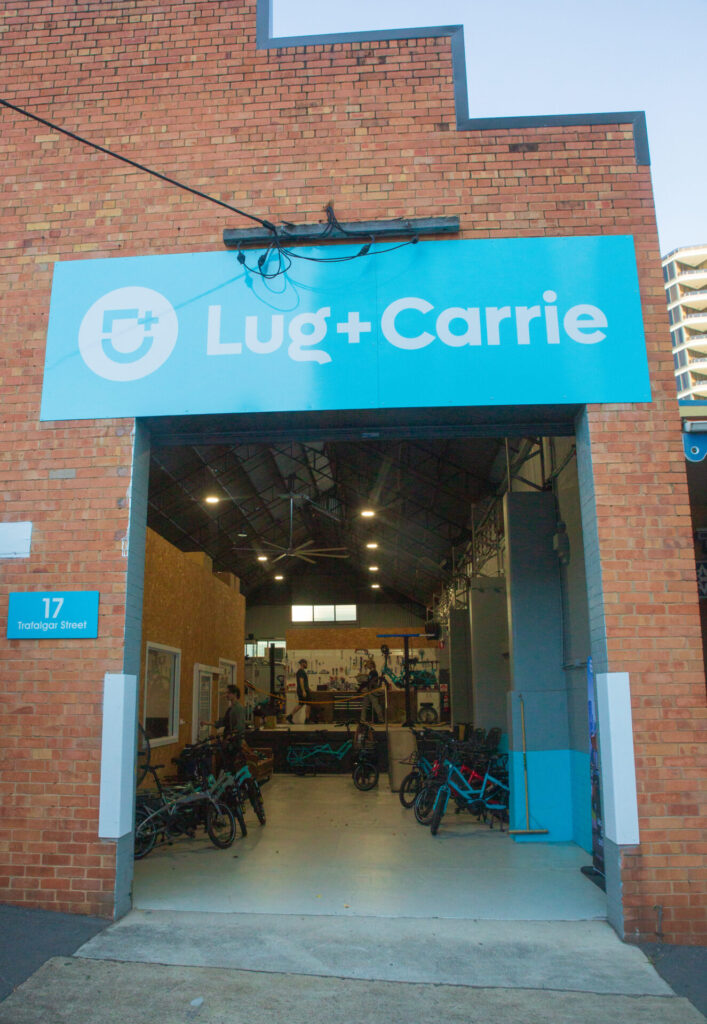
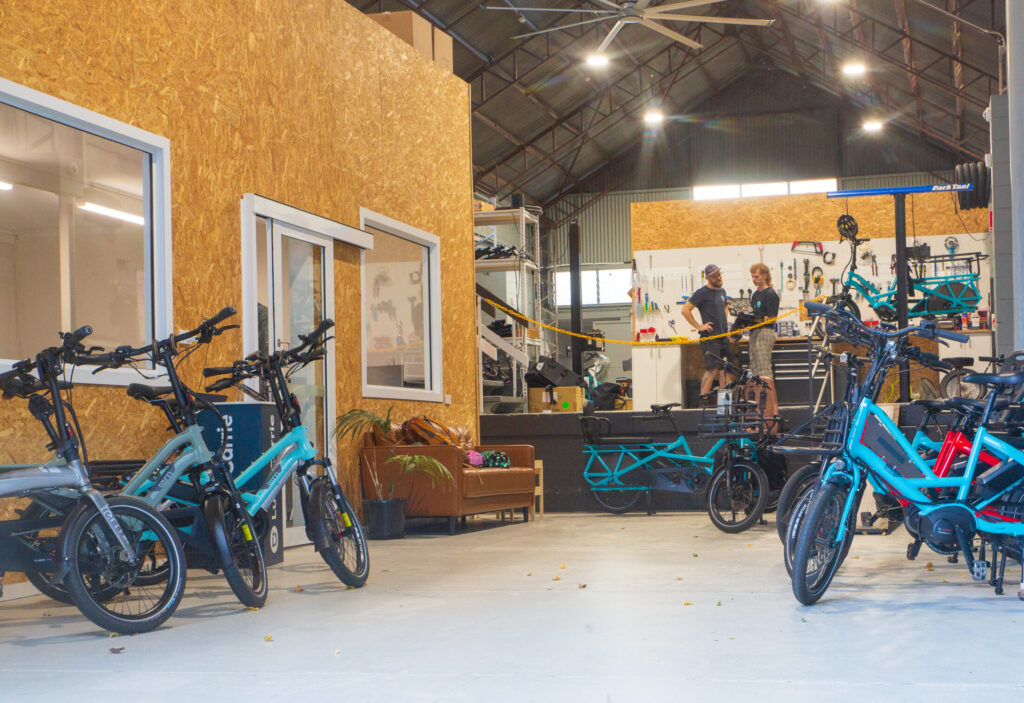
If you have dropped in to visit the Lug+Carrie store in Woollongabba, you will have realised it doesn’t feel like a regular bike shop. You can ride right in, there’s room to park your bike, a big workshop, a lounge and some kids toys. While holding more bikes to sell needs a bit of a refit, Harriet explains that the culture won’t change.

‘Our shops will still feel like a place to come if you want to ride. We’ll be focussed on building a community and providing the service and support that our subscribers have come to know and love.’

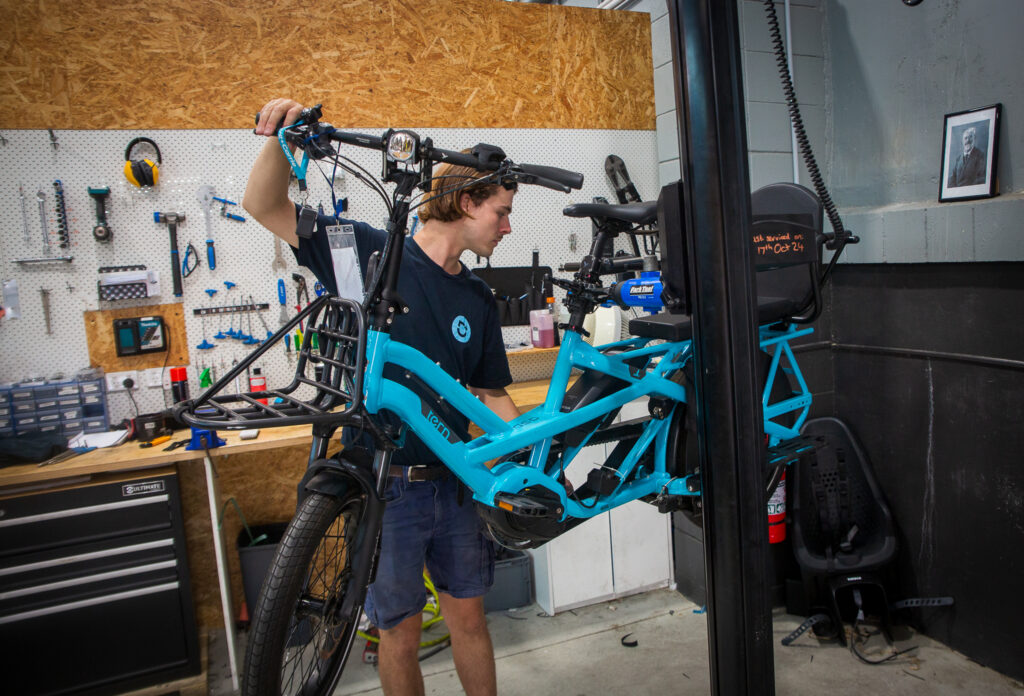
So much of that support will remain with their move to more sales, with a personal handover of new e-bikes to go through all the capabilities, plus the option to purchase service packages, like those included in a subscription. That will include at home servicing, rider rescue, and even the Tern accessory subscriptions.

Subscribing to accessories makes a lot of sense for an e-bike purchase, given how the use of an e-cargo bike can change. Lug+Carrie offer the opportunity to swap out their Tern accessories within the subscriptions. You might opt out of panniers and fit a front rack, or remove a child’s seat for the Captain’s Chair, for example. It really saves purchasing the item and then storing it when you no longer need it, waiting to find time to pop it on Facebook Marketplace.

READ: Making the shift to an e-cargo bike

‘I got a Storm Shield for my kid when I got my e-bike,’ said Harriet. ‘But what if they hated it? I’d be stuck with the accessory. In the end they loved it and call it their bike cubby. For parents the accessory subscription really helps, as it means you don’t need to invest without knowing if it will work out or not.’

Here at Bicycle Queensland we’ve really noticed the increase in e-cargo bikes around greater Brisbane, and we are proud to have partnered with Lug+Carrie with offers for members on both subscriptions or e-bike purchases.

‘We are more than a bike shop, we are passionate about urban mobility,’ said Harriet. ‘All the advocacy that Bicycle Queensland does is so important. There is lots to do but we are really optimistic about the future.’


Bicycle Queensland members will receive a 50% discount on a 2-month e-bike subscription from Lug+Carrie. Login to the BQ Portal for details. If you’re looking for a new e-bike, Bicycle Queensland members will receive 10% off e-bikes from Lug+Carrie.

Meet Electric Bikes Brisbane – the electric bike specialists

E-bikes having been making waves in the cycling space for years, and year-on-year the technology and options have improved. In recent years, the kinds of e-bikes available are incredibly diverse. There are e-bikes to suit commuting, full-time courier work, families, tourers, mountain bikers, gravel riders, kids – and even those low on room who need a folding e-bike!  

Back in 2013, Nick and Samantha Willis founded Electric Bikes Brisbane. At the time e-bikes in Australia were starting to grow in popularity, but there were very few specialist stores to cater for riders looking for an e-dvantage. The inspiration to create an e-bike specific business came up where all good ideas do – on a bike ride. I recently caught up with the two of them at their store in Milton to hear about how they started, and where e-bikes are heading. 

‘I was riding up Settlement Road and working quite hard. A rider breezed past me and I thought “wow, he’s going really well”. I did eventually catch up to him at some traffic lights and realised he was on an e-bike. It’s something that wasn’t really on my radar.’  

‘I did a bit more research into it, and that was the starting point. We quickly realised there was something in this.’ With more research, Nick and Sam realised that while stores were offering e-bikes, no one really shoed the breadth and range that was on the market. 

There are e-bikes for just about every occasion. From hybrid bikes suited to recreational riding, to e-mountain bikes for off-road thrills, e-cargo bikes for haulins kids, groceries, your dog (or all three) and of course e-gravel bikes that might suit a little bit of everything.

As long-time road and mountain bikers, neither sought to set up a boutique store catering to those markets. No one was really specialising in e-bikes in Brisbane, and they saw the benefits that e-bikes could bring for health, reduced congestion and social inclusion. 

Over more than a decade, a lot has changed in the e-bike space. And Sam and Nick have seen those changes and how that impacts the user experience. 

‘When we started out we ran a lot of demo days’ Sam explains. ‘We spent a large proportion of our time back then explaining what an e-bike was. Now when we run a demo day, we have a much more informed audience. The conversations will be about battery capacity, range, charge times – the market is also a lot more accepting of the great things that e-bikes can do.’ 

‘Range anxiety has also disappeared,’ adds Nick. ‘Originally we may have been stating 30-40km, as we never wanted to over state range given how it can be impacted so easily. Now it could be 100, 140km. You can change the mode, the programming – the autonomy is just unreal.’ 

Part of the recent growth in e-bike popularity has been for cargo e-bikes, with many finding they can replace countless trips in a car by going by bike instead.

Nick also points out how all the updates with new systems, better integration and more e-bike types has created a better ride experience. Even experienced cyclists can jump onboard a good e-bike and not feel disconnected from the ride – something that may not ring true on a bike from around a decade ago. 

The need to specialise 

There still aren’t many stores around that are e-bike specialists, despite the huge growth in e-bikes.  There is a lot of knowledge and expertise involved, but it is a case of building on a strong foundation already acquired. 

‘The underlying tech does change each year, but not so much that it is all-new each year’ Sam explains.  

‘Coming in cold now would be overwhelming,’ confirms Nick. ‘It’s an evolution for us, but there is a lot of choice out there around specifications and configurations.’ 
 
That is all knowledge that their staff have – you can even use a contact form on their website with a range of questions to get their feedback on an e-bike that may be a best fit for you, based on how often you want to use it, what you want to carry, your height, your budget and more. 

When brands like Husqvarna are making e-mountain bikes, you know they must be popular.

Chicken or the egg? 

Anyone visiting Brisbane now compared to a decade ago would be hard-pressed to say they didn’t notice better cycling infrastructure and more people on bikes. Sure, there is plenty of room to grow – but there has been a real increase in users and amenities. I’m keen to know if Nick and Sam feel that’s to do with e-bikes making it easier, or if gradual investment in infrastructure has tempted more people onto bikes? 

‘There is a symbiosis. I don’t always believe the build it and they will come analogy but I think in this case that has worked. Bike riders need to feel safe. So once the network is there, or an investment in a mountain bike network is there, you do get more riders.’ 

‘The countries that set the strategy a long time ago about having cycling as a key part of their transport infrastructure are proof that it works,’ Sam adds. Queensland may be a bit behind notable countries in Europe or Asia, but the only difference is time and investment. ‘People aren’t worried about going from A to B on a bike or an e-bike, and it’s wonderful.’ 

Further growth in people riding is likely going to take some incentives. We talk about an EV incentive like the state and federal government offer on electric cars – which of course do nothing to reduce congestion as Nick points out. And of course, the 25km/h vs 32 km/h argument for limits on pedal-assist bikes. But Nick believes the biggest incentive lies elsewhere – and that’s speed limits. 

“If you get speed limits in heavily populated or congested routes down to 30km/h, and perhaps the pedal-assist limit is around 30, you’re not getting the speed differential. I could see that working, as there is no real difference in closing speed.” With Queensland’s first Safe Active Street opening in Toowoomba, maybe this is coming. 

Around the store 

Both Nick and Sam have continually refined their offering in the store. They stock a wide range of e-bikes, from basic models through to long travel, burly mountain bikes. It’s an extensive range, and one done with thought and experience. 

With over a decade of experience they both know what works, what products are reliable, and which ones won’t serve riders in the long term. They well and truly stand by what they stock. 

‘There’s still a sign around from when we opened, stating ‘5 star service, boutique brands’ Nick tells me. ‘And that’s still what we deliver; service, choice and quality.’ 

‘We’ve culled a lot of brands and a lot of bikes,’ Sam adds. ‘It’s the school of hard knocks that has given us the range we have on the floor. I wouldn’t hesitate to put my mum or father or a friend or family member on one of the bikes we stock.’ 

What’s really inspiring about Electric Bikes Brisbane isn’t just the range on the shop floor. It’s how well the business caters to different needs. There are e-bike hire options, a delivery service, full workshop and even a trade-in scheme. Nick and Sam have also worked to create a community via their Owners Club, with planned rides in the greater area – along with tips. 

‘It is our love of cycling that drives us. We just want to make sure it’s more accessible for a lot people, which is what an e-bike can help with.’ 

electricbikesbrisbane.com.au 

Bicycle Queensland have a number of partner stores around the state. You can find more details via the Store Locator on our website. bq.org.au/bike-store/locator/ 

Try the e-cargo bike revolution with Lug+Carrie

You would be hard pressed to miss the increase in e-cargo bikes on the streets in many Australian capitals – and Queensland is no different to other states. Early mornings and afternoons see bike paths and back roads become essential links as parents tote one, two or even three kids to and from daycare or school drop offs.

The longer wheelbases and higher cargo carrying capacity of an electric cargo bike isn’t just handy for navigating the school run. You can do a full shop, carry your partner to Friday drinks, or even load up with tools to head to a friend’s house, to rescue them from their DIY project.

While electric cargo bikes have been available for a while, their recent explosion has been assisted by more manufacturers developing their own e-cargo line, and some stores specialising in e-bikes, like Electric Bikes Brisbane or Lug+Carrie. What has made a really big difference is the hire, or subscription service that Lug+Carrie also offer for the Brisbane area, alongside Melbourne and Sydney.

Via Lug+Carrie, you can rent your e-bike, or e-cargo bike, on a month-by-month basis, And as long as you’re in their 20km operational zone, this includes on-site servicing, free delivery and pick up at the start and finish of your subscription, and free delivery and pick up if your bike needs to go into their workshop for repair or parts. This covers from Wynnum to Camp Mountain, or Brendale to Calamvale.

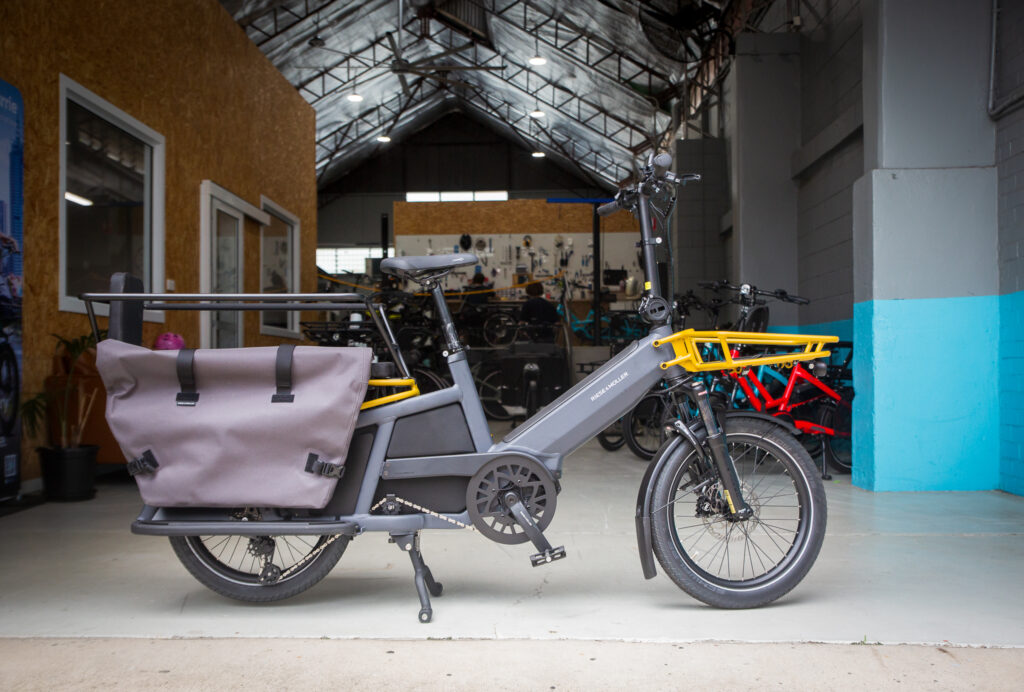
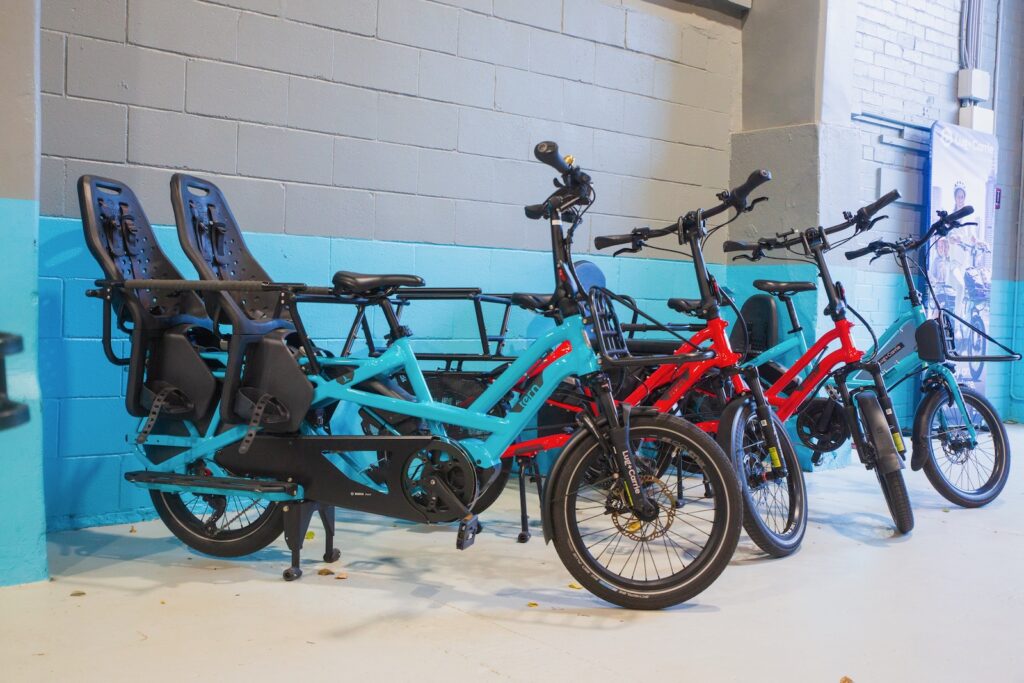
Lug+Carrie stock a variety of Tern bicycles, including the popular GSD, which can be equipped with two seats on the back, along with a rack on the front. In-fact, many of the bikes have a range of accessories that Lug+Carrie supply, and you can swap them out as your needs change. As well as offering the monthly subscription, Lug+Carrie have lease to buy options as well as both new and refurbished e-bikes for sale. You can check them all out and test ride them in their Woolloongabba store. 

On a recent Lug+Carrie Community Ride, we caught up with Sophie – who has been a Lug+Carrie subscriber for two years with her blue Tern GSD.

‘I already had an e-cargo bike that I had bought, but it just wasn’t as functional and kept falling apart. I wanted something that could be a bit more reliable.’

Sophie visited Lug+Carrie in Woolloongabba, near where she lives, to look at at Tern models they had – she ended up their 15th customer, right as their Brisbane store opened. ‘Their targeted demographics Instagram ads got me: women with kids, who hate their car!’

‘Since then, I have been doing school drop offs then into the city for work – and then back again.’

There are e-cargo bikes on the market from as low as around $3000, but for a quality model like the Tern GSD Sophie has, with the accessories and 200kg load limit, could run over $9000 – which can be off-putting for someone trying to see if an e-cargo bike is for them. And that’s why Lug+Carrie’s subscription model is such a great fit, and it worked for Sophie.

‘The subscription is a more affordable way to get an amazing bike. I wouldn’t have been able to buy it outright and I wasn’t sure if I would love it. But within two weeks I knew “this is me for life,” and I love it.’

While we all often focus on the bike – for Sophie the real benefit has come from being able to customise the accessories in her subscription as her needs change – or as her daughter grows.

‘I had the Storm Shield when my daughter was younger, and as she got a bit older I switched it out to the Captain’s Chair. I called Lug+Carrie, went in and they swapped it over and re-priced it. It was even a little bit cheaper. It also means I can fit adults on the back now too.’

Just like leasing the bike reduces the upfront cost, given these accessories cost around $5 a week to hire, it’s far less than the several hundred they cost to buy outright.

Perhaps one of the best changes that Sophie told us about was her changed perceptions of what she can use her e-cargo bike for. She already uses it every day to get around, do the shopping, get to work and to get her daughter to and from school – but that’s not the limit.

‘I do partake in the e-cargo bike Olympics, for what I can fit on it. I haven’t taken it to Bunnings yet, but I am keen… I have taken a very large plant on it and I do all my grocery shopping on it as well.’

We often hear that riders getting around on an e-cargo bike, in regular clothes doing regular things, can change the perception of bike riders on the road and on paths. And Sophie has said she is often asked about her bike, with men, women and families stopping to ask her where she got it from.

With a powerful Bosch e-bike system, the Tern e-cargo bikes make light work of hauling kids, groceries, love interests – or large pot plants.

‘You don’t have to be a really good cyclist. I had cycled before but I hadn’t for a while. I found the Tern GSD far more comfortable and I feel way more secure. The last bike I had was too high . This is really nice as a step through and being so low. A lot of friends have said they aren’t a good enough cyclist to try one, but you really need to have a go – you’ll love it.

The subscription service means assistance with any issues like flat tyres, worn brakes or gear shifting issues. The Tern bikes are deisgned for use day in, day out, with robust tyres and equipment. But things break – which is why the on-road assistance exists, which Sophie has experienced.

‘Once we were pulling out of school and rode over some glass – so we got a flat. But Al came out and fixed it, it was great! He was there in 5 minutes.’ While this lead time may be longer depending where you are in the Operational Zone, it is part of the service that Lug+Carrie offer – and it removes a lot of perceived issues for some would-be riders.

Sophie was so enthusiastic about her time leasing the Tern GSD from Lug+Carrie – and she is currently contemplating buying out the bike she has been using. And she encourages everyone to try an e-cargo bike for themselves.

‘Just try it for a couple of weeks, you’ll notice the difference. I had to work somewhere that was about 50km away and needed to take a month off from cycling. I was noticeably depressed but when I went back to cycling again I was happy again. So give it a go.’

If you want to know more about Lug+Carrie, visit their website or call them on 1300 766 552. Bicycle Queensland members save 50% on an 8-week subscription through Lug+Carrie. Don’t forget to call your local bikeshop about e-cargo bikes as well – you can find Bicycle Queensland’s partner stores on our Store Finder.

Find out more about Bicycle Queensland membership: insurance, advocacy and member discounts