The big build for Brisbane 2032 is getting underway, and bike riders travelling through the Barrambin Precinct/Victoria Park will need to readjust their routes as construction ramps up.
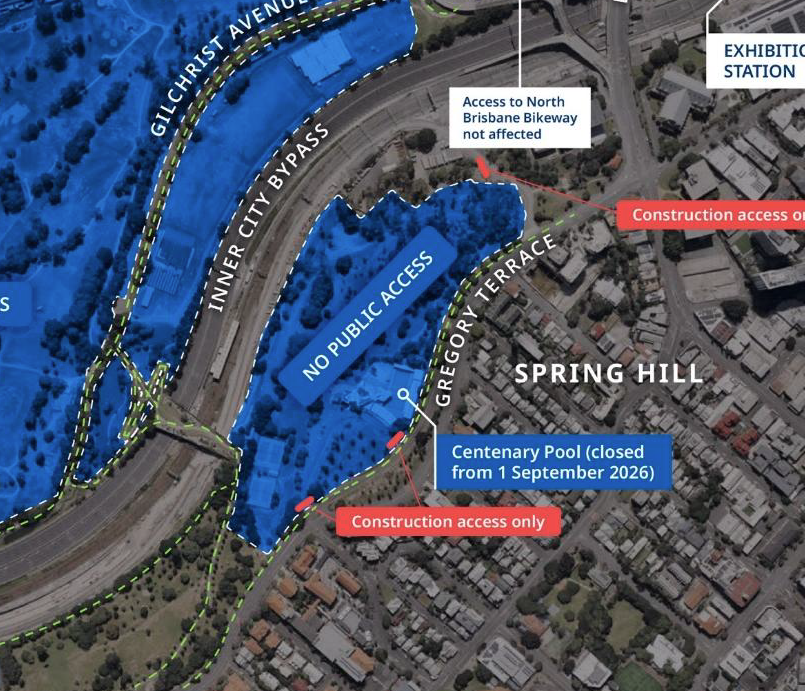
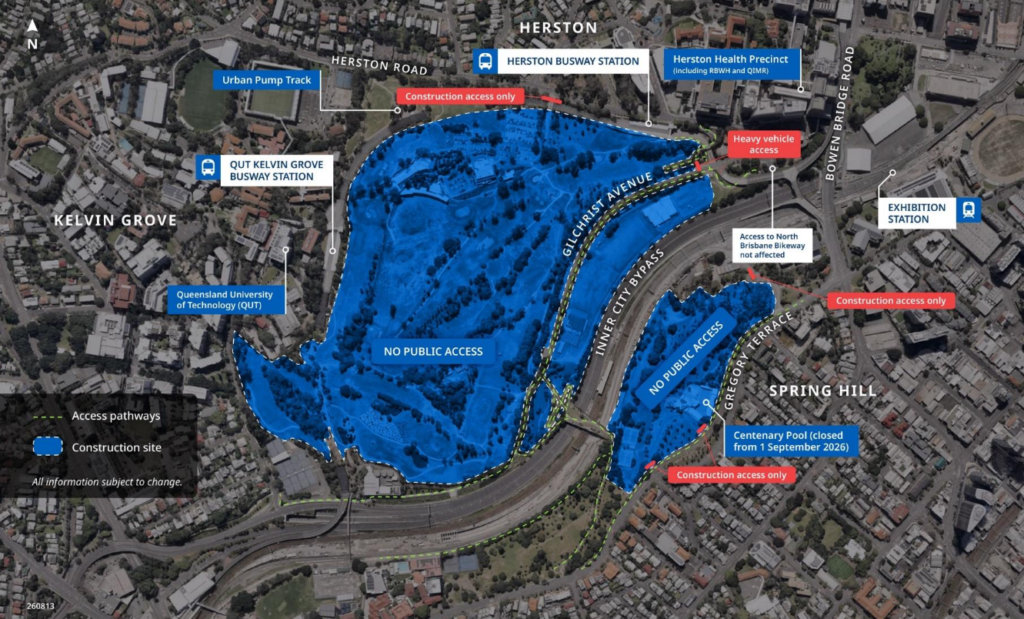
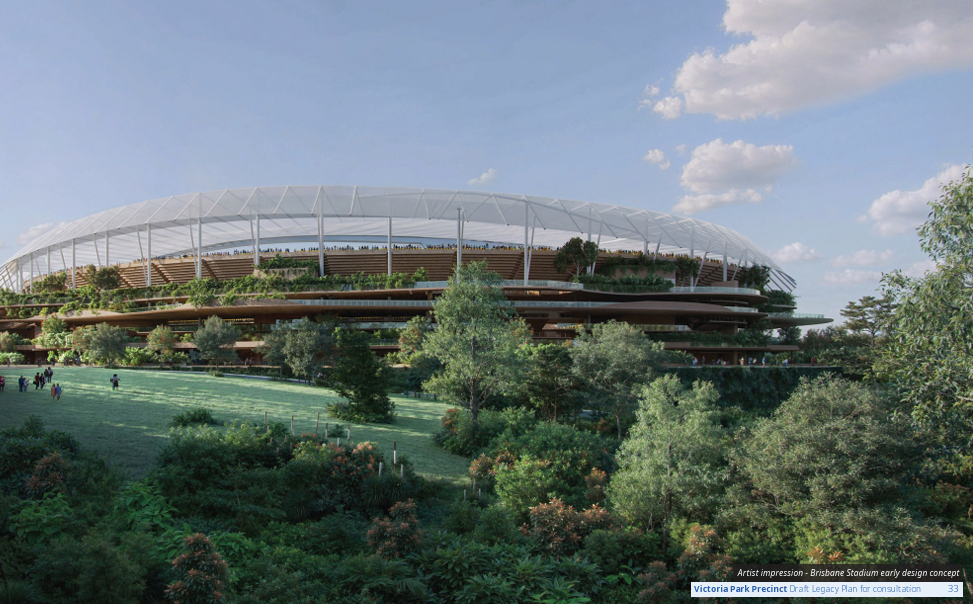
From September, work will be underway on both the new Brisbane Stadium and National Aquatic Centre, with significant areas of Victoria Park becoming construction sites. Early works on the Herston side include earthworks, haul roads, vegetation clearing, utility works and site fencing.
Importantly for riders, the existing bikeway through the park below Gregory Terrace will no longer provide the through-route many riders currently use.
Riders approaching from Herston will instead need to head from the Herston Land Bridge up to Gregory Terrace and adjust their journey from there.
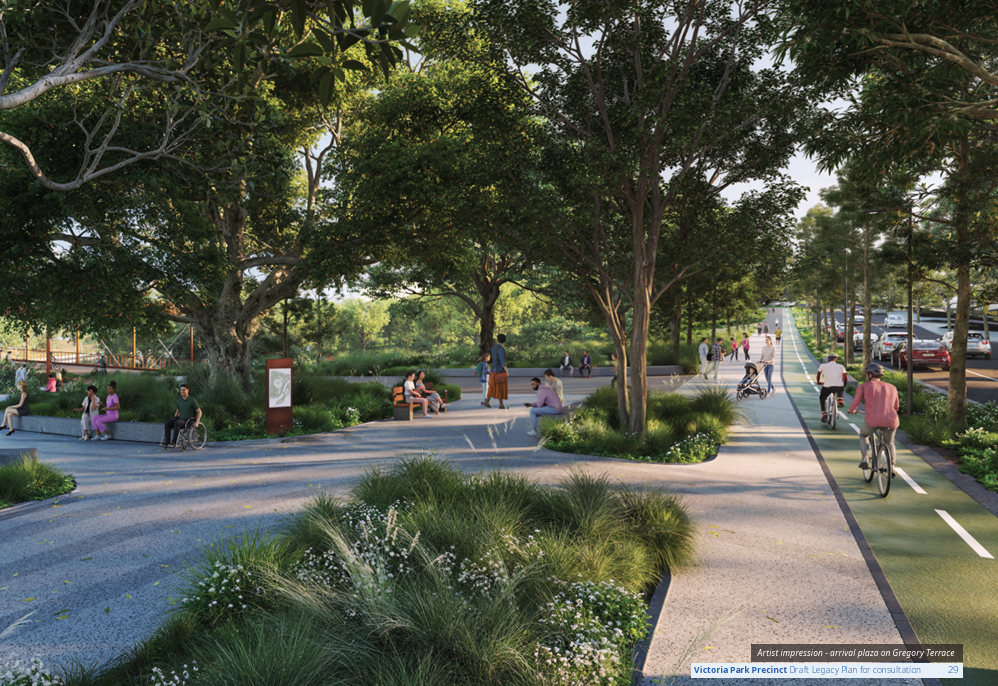
The construction notice also confirms a new shared user path will be built adjacent to Gilchrist Avenue for a future diversion, with further information to come before it opens.
With the Barrambin Precinct set to change considerably in the lead-up to Brisbane 2032, BQ encourages regular users to familiarise themselves with the changed access arrangements, allow a little extra time and take care as new routes and diversions come into effect.
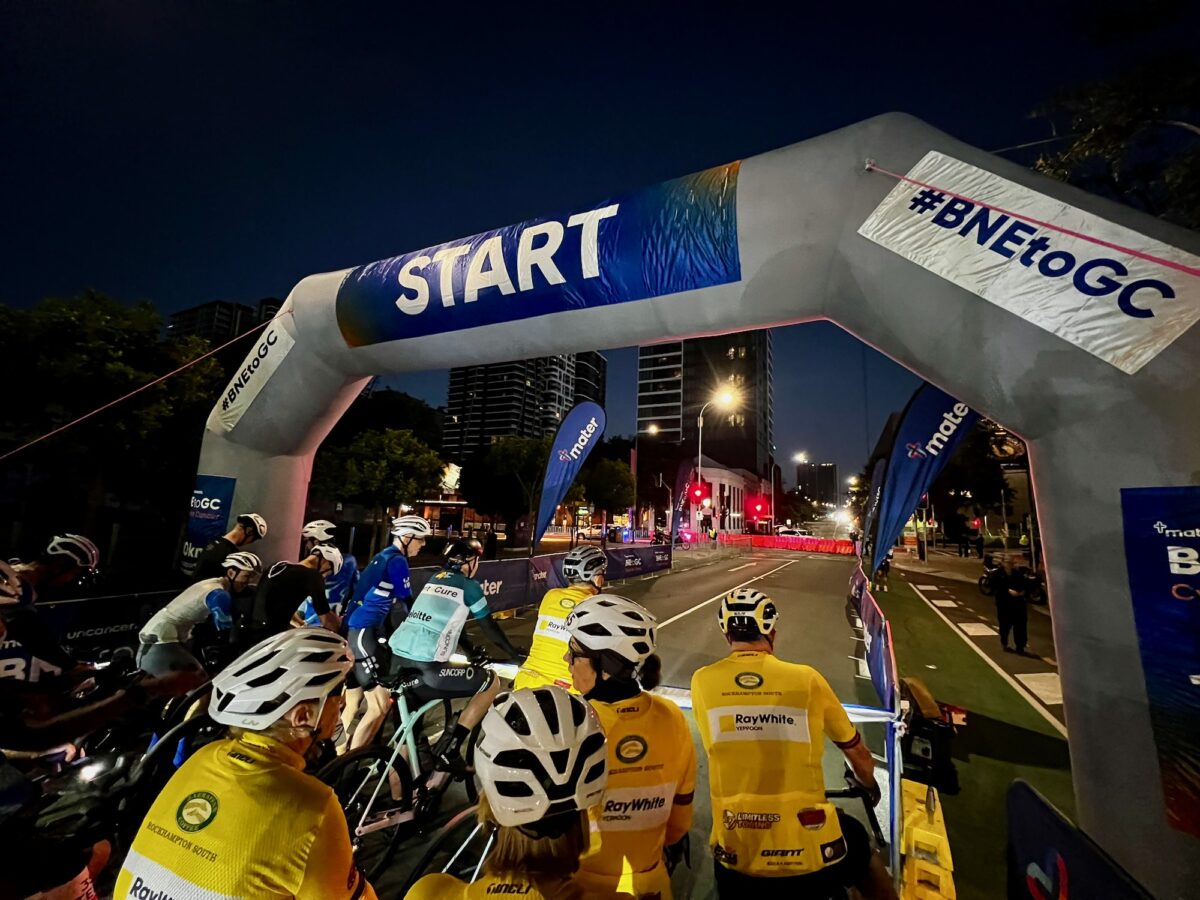
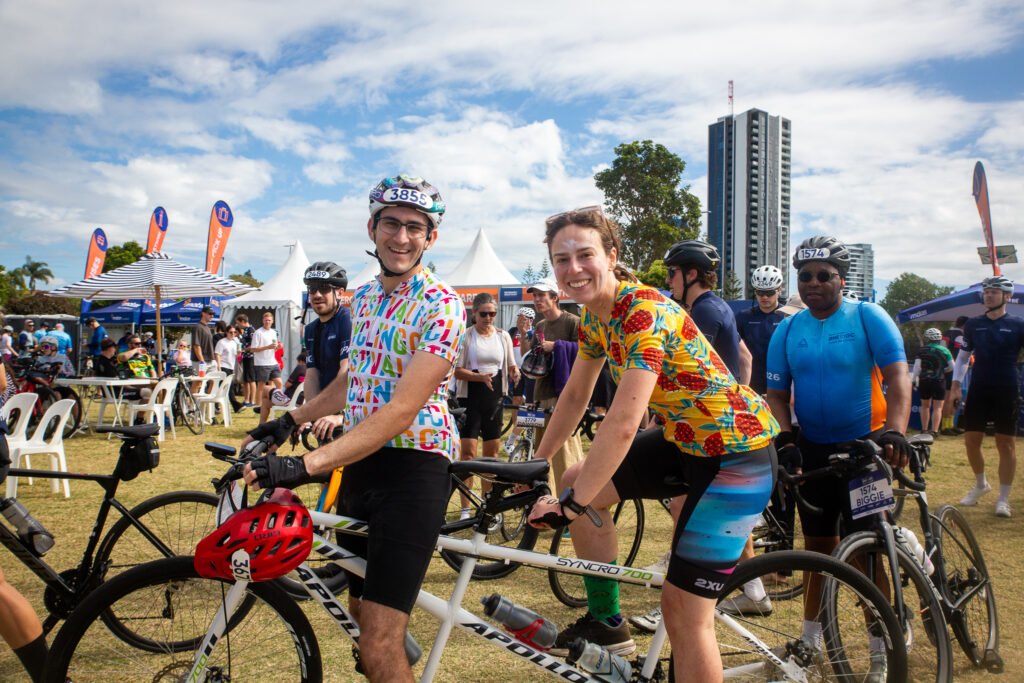
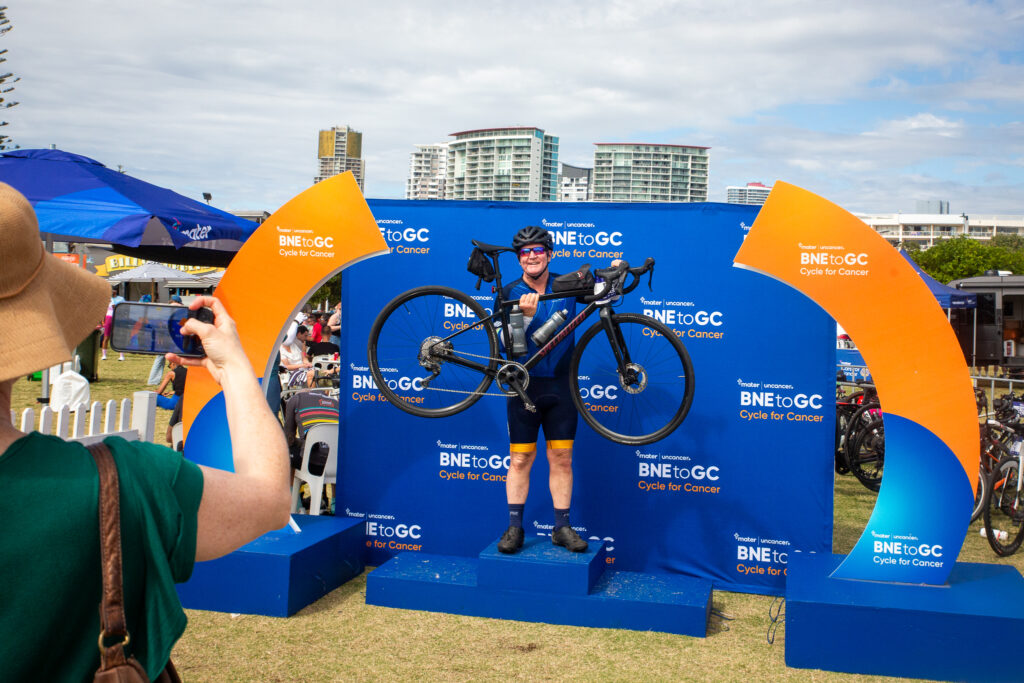
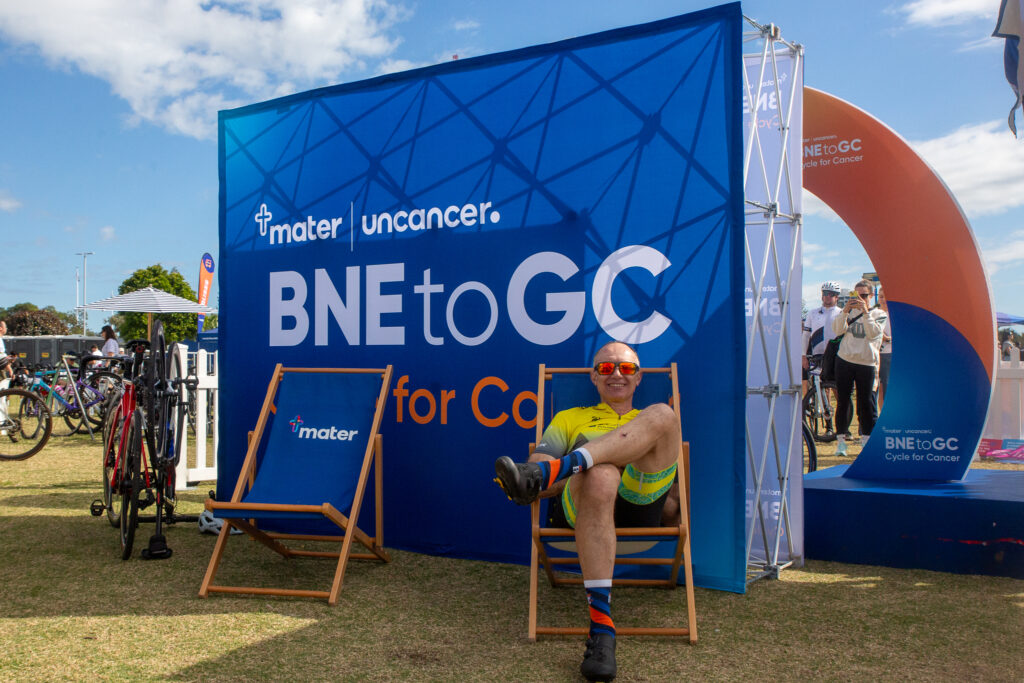
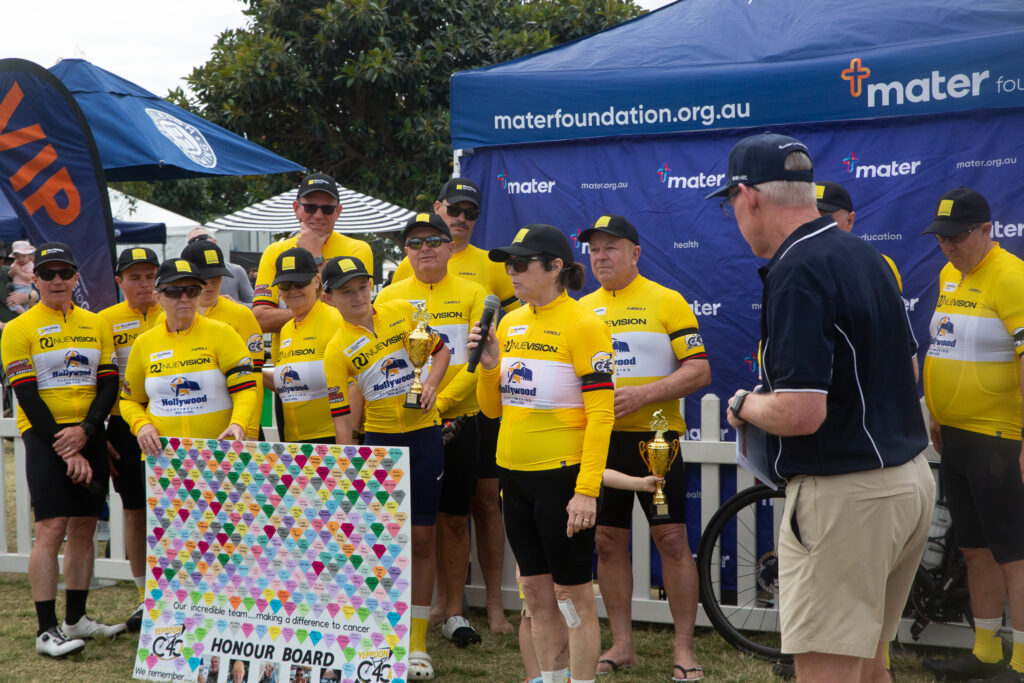
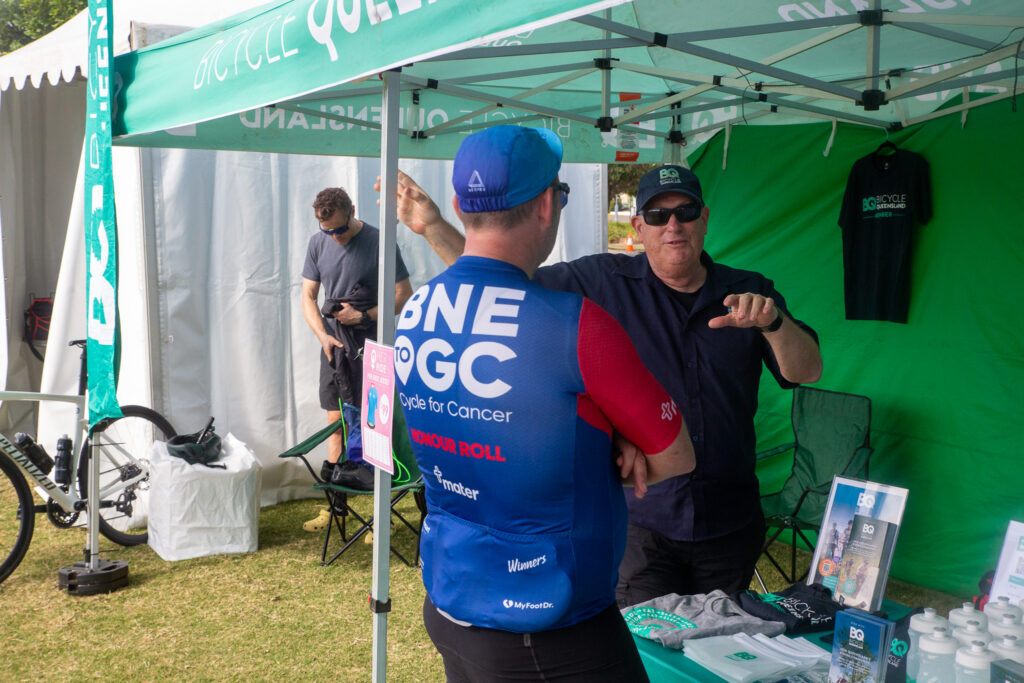
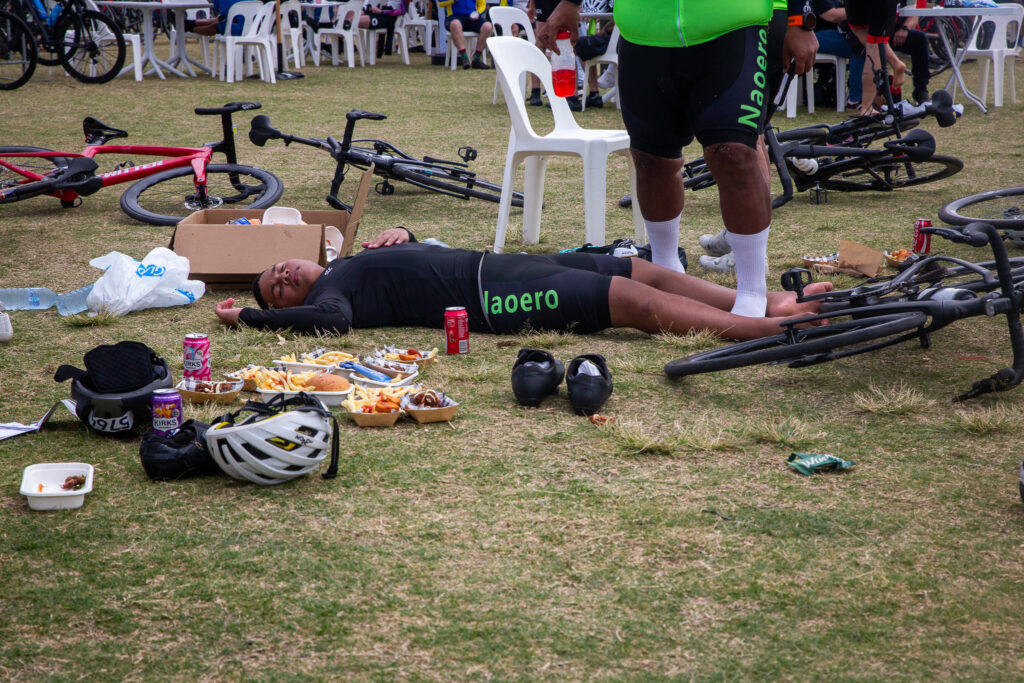
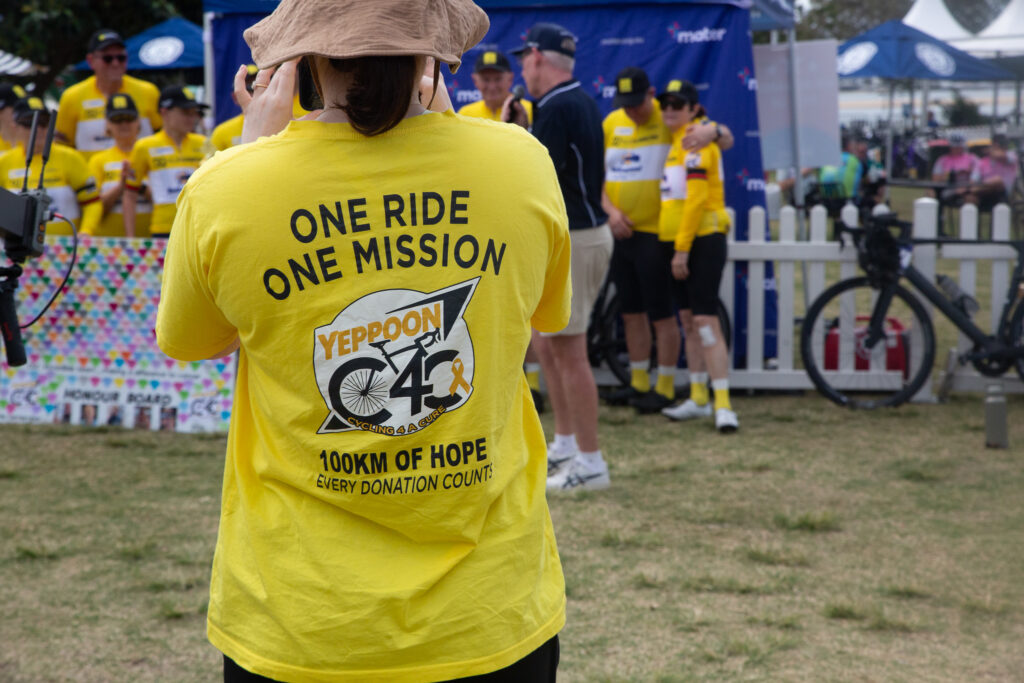
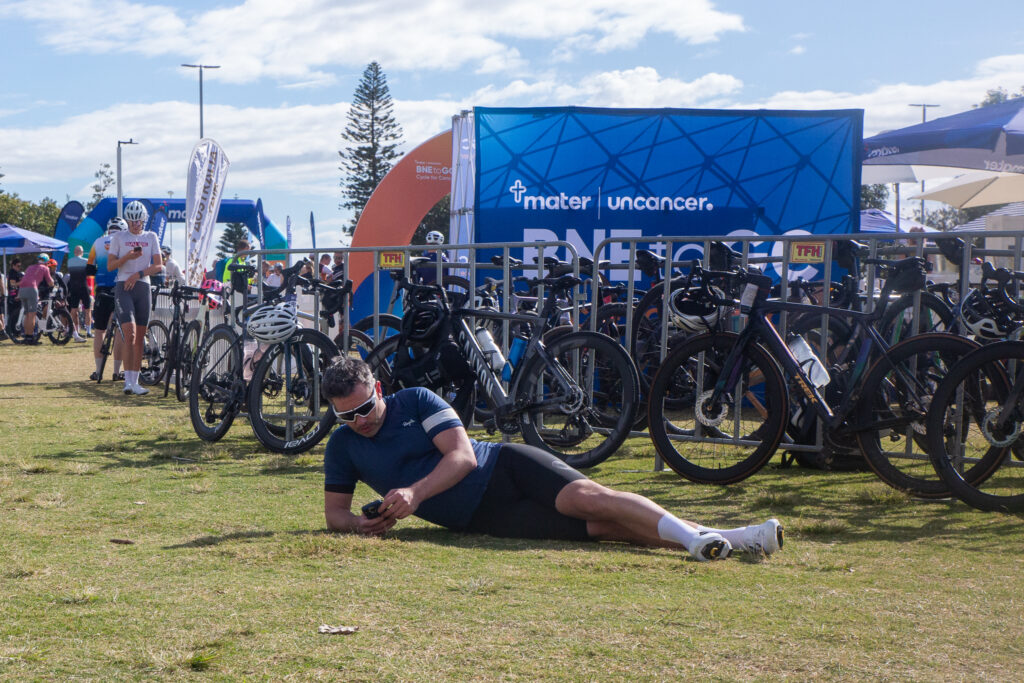
Thousands of riders rolled out of Brisbane on Sunday for the 2026 Mater Uncancer Brisbane to Gold Coast Cycle for Cancer, enjoying brilliant conditions for the event’s new August date.
The annual charity ride brings together cyclists on a journey from Brisbane to the Gold Coast, raising vital funds for cancer research along the way.
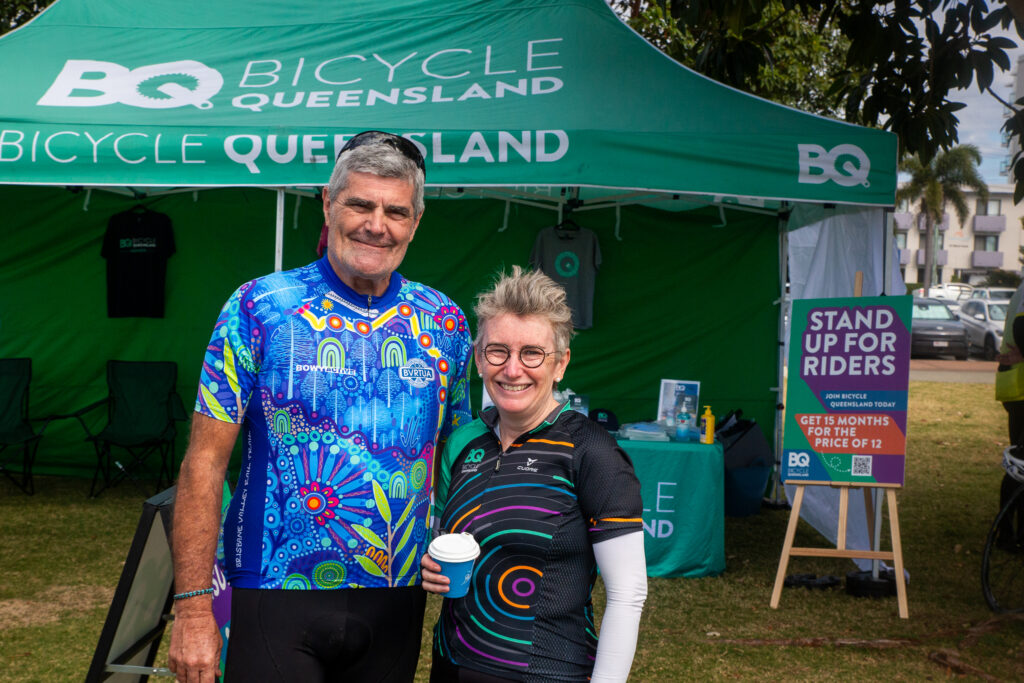
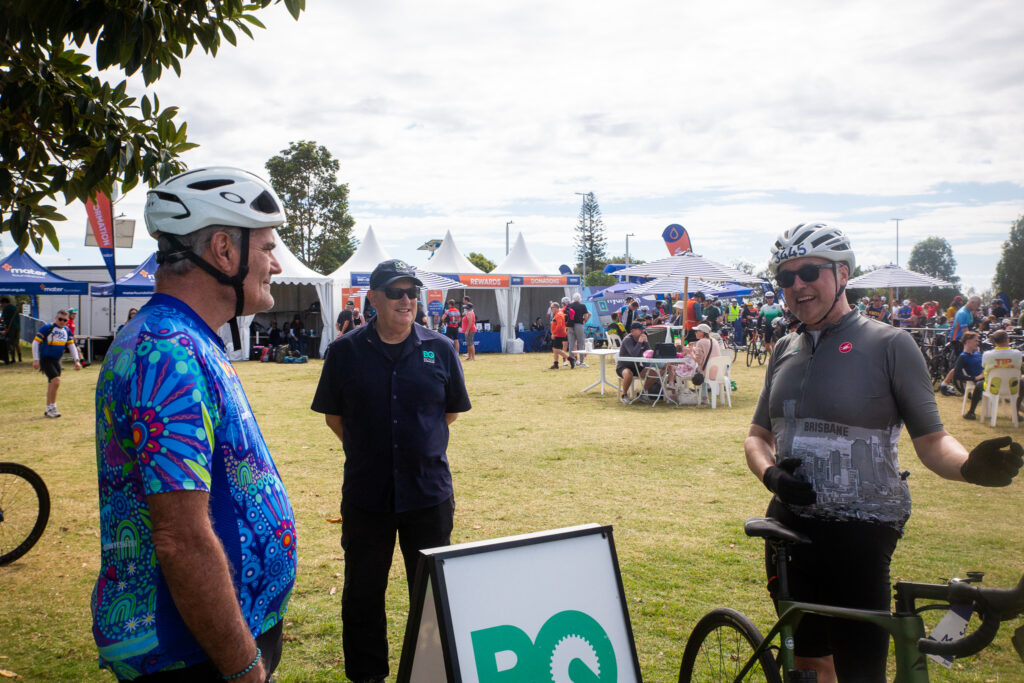
Bicycle Queensland has a long connection with the event, having established the Brisbane to Gold Coast ride more than two decades ago before the Mater Foundation took over its delivery. BQ Chair Hon. Rachel Nolan was among the many BQ members, staff and supporters taking part on Sunday.
“It’s completely joyous. It’s a whole bunch of people coming together to ride further than they probably ordinarily would, and they do it in a real spirit of the joy of cycling,” Rachel said.
“While we don’t run the event anymore, we did start it as a big charity ride, and are responsible for the spirit of the event. The Mater are continuing that tradition really well.
For Rachel, one of the most important aspects of the event remains its ability to show that riding a bike, even over a substantial distance, isn’t something reserved for highly trained cyclists.
“When BQ started this event, the whole idea was to convince ordinary people that they could ride from Brisbane to the Gold Coast,” she said.
“This wasn’t some kind of hardcore athletic activity but something that an ordinary person could do. And I think there is a bit of that spirit now. There are lots of people who are just thrilled that they can ride from Brisbane to the Gold Coast.”
Bicycle Queensland works to make riding a normal part of life for more Queenslanders, and the spirit of the event helps highlight that.
“At Bicycle Queensland, what we’re about is promoting bike riding for fun and for transport, just as a normal, legitimate way to get around,” Rachel said. “So having all of these people come together and safely ride to the coast is right in the heart of what we believe in.”
Riding for cancer research
For Mater event director Hans de Koning, the support shown by riders and fundraisers was once again a highlight of the event.
“It’s been amazing to see the community support for cancer research. It’s always humbling,” Hans said.
“What has stood out to me the most this year has been the community support. These are people that don’t have to do it, and they do it because they want better outcomes for health. I think that’s incredible.”
Hans said funds raised through the event provide crucial support for medical research, helping researchers improve treatments and outcomes for people living with cancer.
“Cancer is a really tricky beast in general, and I think the only way we’re going to be able to solve cancer, or at least make it easier for those patients with cancer, is through medical research,” he said.
“We’ve seen what outcomes look like in areas such as the cervical cancer vaccine. These things do exist. Treatment for cancer is getting better, and the only way that we can do that is with capital.
“That’s why the funds that we raise are so important, because they give us the opportunity to go out and try and find these cures or these treatment options for people with cancer.”
The whole event is possible thanks to the strength of those who take part, which Hans highlighted.
“I’d just like to say a big thank you to the supporters and all those people who rode today.”
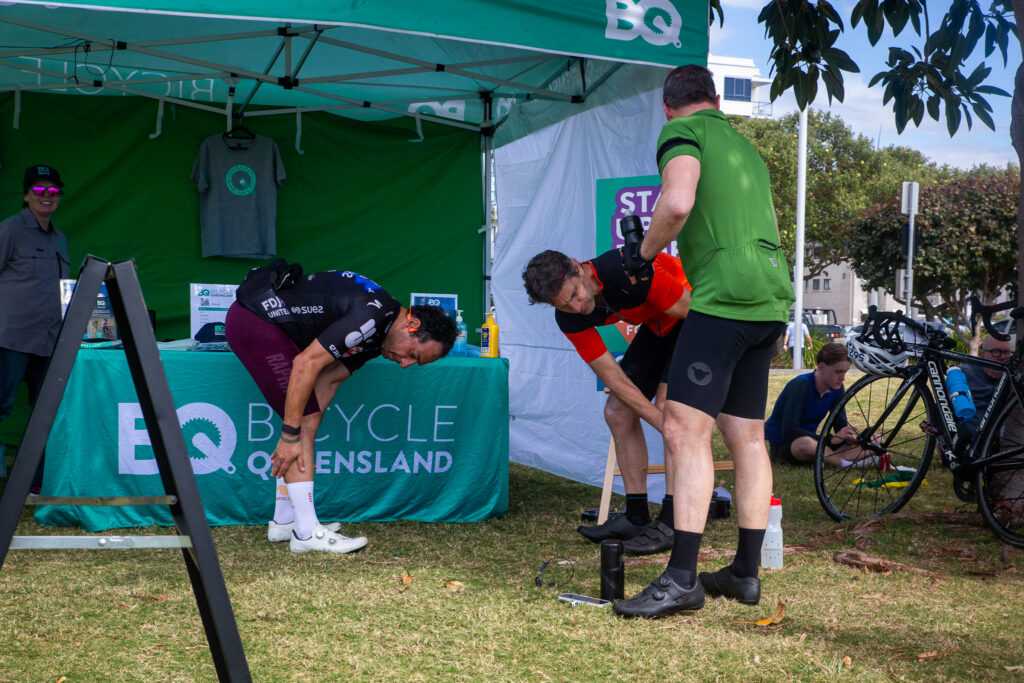
Bicycle Queensland was proud to once again support the Mater Uncancer Brisbane to Gold Coast Cycle for Cancer, including providing one-day rider insurance for participants.
A thank you to our members
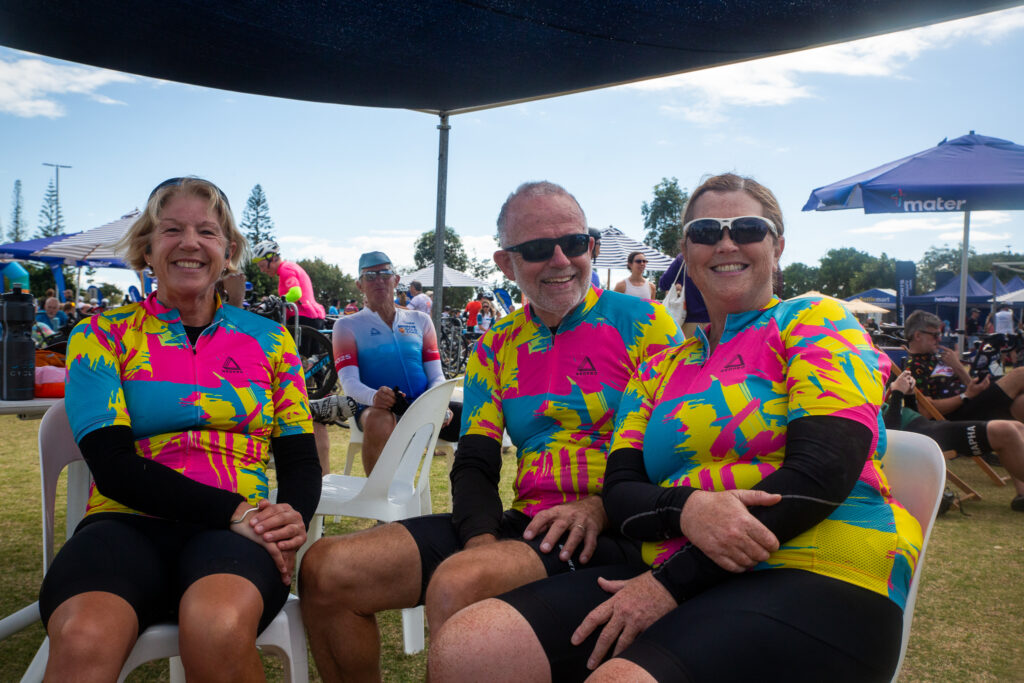
Congratulations to everyone who took on the ride, but especially to the Bicycle Queensland members who participated and raised funds for the Mater Foundation.
“We thank all our members who came along. Especially those who personally donated, who helped fundraise themselves, or sought donations as part of teams,” said BQ’s CEO Dr. Matthew Burke.
“We’re really pleased charity giving was so high this year.”
“Whether it was your first time and you discovered you really can ride a bike from Brisbane to the Gold Coast, or if this was your fifteenth ride south on this event, thanks for making it a great day.”
Bicycle Queensland has welcomed plans for the biggest expansion in the history of Smithfield Mountain Bike Park, with more than 62 kilometres of new trails set to reinforce Cairns’ position as one of Australia’s core mountain bike destinations.
The Queensland Government has unveiled the Smithfield Mountain Bike Park Expansion Masterplan, designed by World Trail, which will grow the existing network from around 25 kilometres to more than 85 kilometres, securing Smithfield on the ‘must ride’ mountain bike map.
Construction is expected to begin in 2027 and be completed by late 2028, with the expanded network forecast to attract more than 53,000 riders annually.
Source: Tropical North Queensland
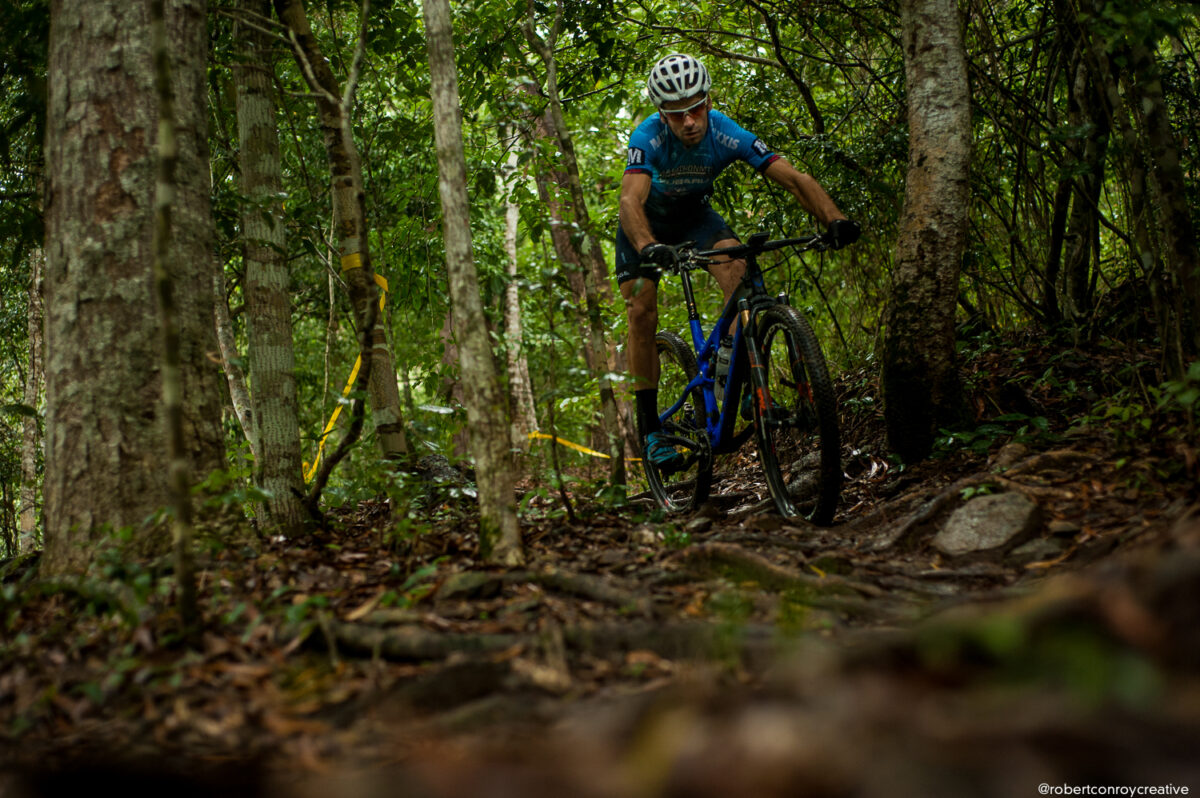
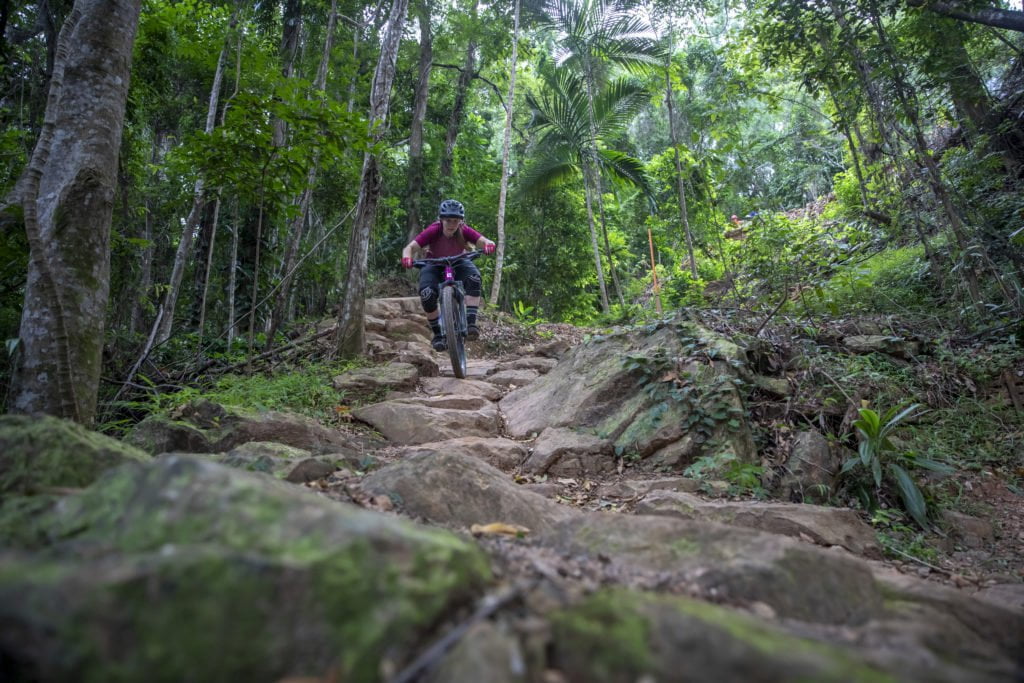
For mountain bikers, Smithfield needs little introduction. The rainforest-clad hills north of Cairns have been at the heart of Australian mountain biking for more than three decades. Smithfield has hosted UCI Mountain Bike World Cups and World Championships, along with recent editions of Crankworx Cairns. Of course, Smithfield’s roots cannot be confined to between the tape.
In the 1990s, Cairns riders and trail builders helped forge a distinctly Australian bike culture. Films such as Mud Cows and features on shows like Pepsi Max Extremists took the riding, characters and trails of Far North Queensland to riders around Australia and the world. Features including the Alien Tree, Jacobs Ladder, Croc Slide and the infamous Bowl of Death became part of Australian mountain biking folklore – and the majority of those features still exist in the trails. Although Jacobs Ladder became a descent and you might need a machete and some local knowledge to find the Bowl of Death.
Source: Wade Lewis
Cairns and Far North Queensland has changed in many ways since the 90s. However the mountain bike culture remains very much alive today, having expanded into a much wider community.
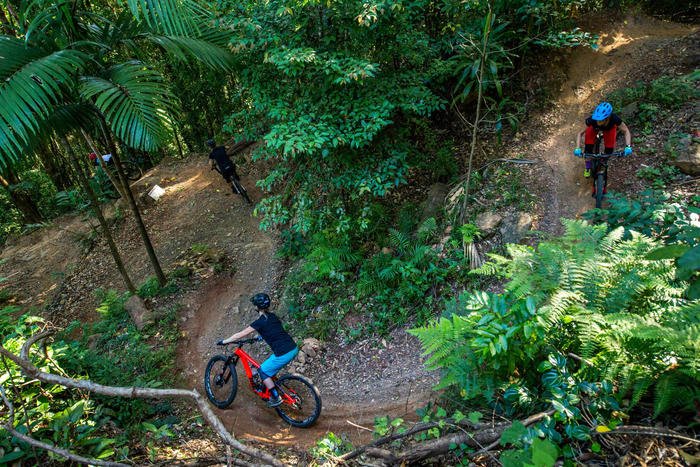
The Smithfield masterplan includes new beginner, intermediate and advanced trails to suit the expansion of mountain bike popularity and use since the 90s. There are upgraded trailheads and visitor facilities, improved event infrastructure, signage and safety measures, along with a long-term framework for sustainable trail management – an essential element for an area with such high rainfall.
BQ strongly supports investment in quality off-road cycling infrastructure across regional Queensland. Well-planned mountain bike networks provide accessible outdoor recreation for local communities while also creating destinations capable of attracting visitors, events and spending into regional economies.
Smithfield is an exceptional example because its reputation already extends around the world. Expanding the network gives Cairns an opportunity to build on more than 30 years of mountain biking history while creating a trail network suited to a much broader range of riders.
That said, Smithfield should not be an isolated example. BQ believes that targeted investment in mountain biking can support healthier communities, give young people places to ride, strengthen regional tourism and create new economic activity.
The recent Smithfield announcement demonstrates what is possible when governments recognise cycling infrastructure not simply as trails in the bush, but as long-term investment in the health and vitality of Queensland communities.
“Getting your kids on a mountain bike is pretty much the best thing any parent can do,” BQ Director of Advocacy Andrew Demack said.
“Mountain biking makes you much fitter, and improves strength and hand-eye co-ordination.
“There’s even research which shows that teenagers who are involved in mountain biking develop stronger social and emotional intelligence as a result.
“And the best bit: it’s amazing fun. I can’t wait to get back to Smithfield to ride these trails when they are done.”
Bicycle Queensland is collaborating with Brisbane-based bicycle user groups (BUGs) on a co-ordinated approach to ensuring best outcomes for the Barrambin/Victoria Park precinct, both in the lead-up the Olympics and then into the future.
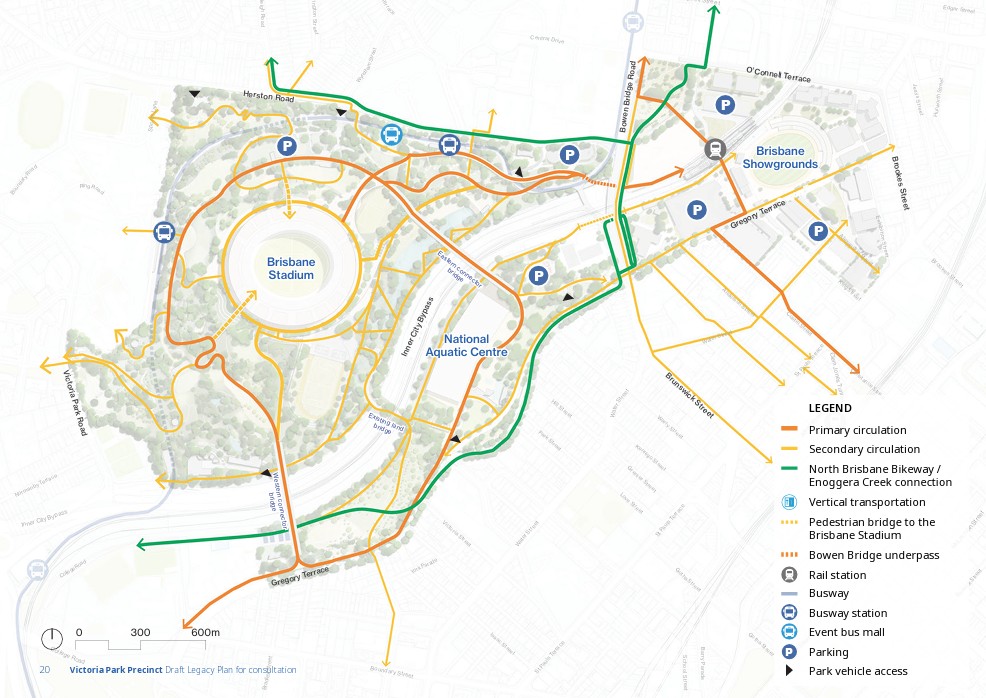
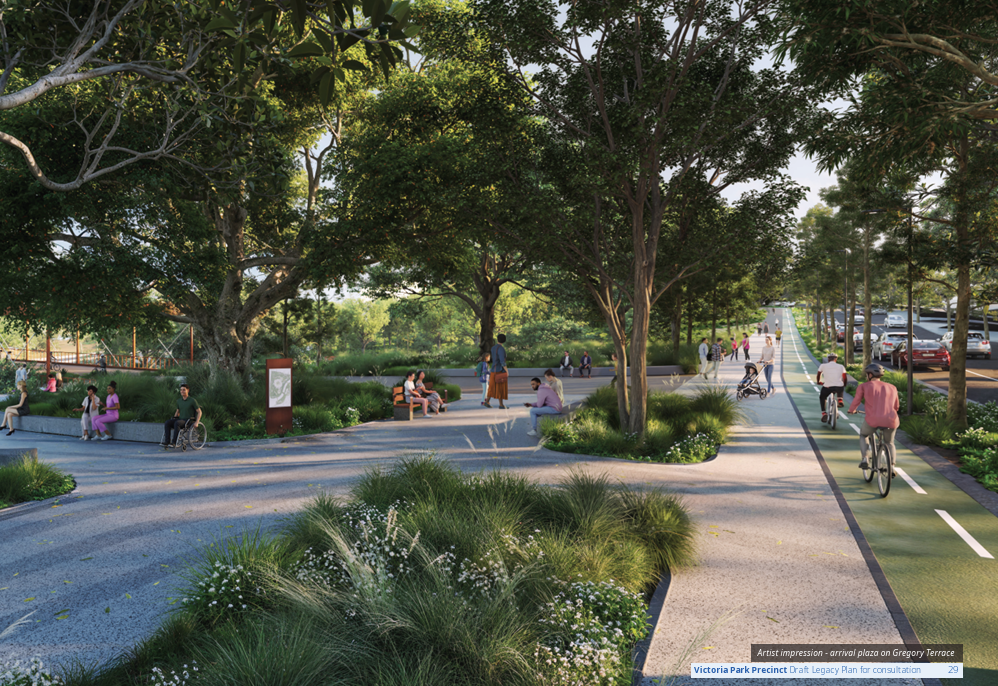
The Brisbane Games construction authority (GIICA) has released a draft precinct plan, which shows plenty of positive aspects for cycling and walking. However, many of the details around path widths, the separation of bikeways from pedestrian and motorised traffic, and bike parking at the stadium itself, is hard to determine. BQ met with all the local BUGs to workshop the issues and what collectively we should be fighting for.
The North Brisbane Bikeway is now proposed as a separated facility alongside Gregory Terrace and Bowen Bridge Rd, before continuing as it currently does through Bowen Park. BQ and the BUGs are particularly concerned about the width available for a bikeway between Bowen Bridge Rd and the Old Museum, and on the bridge crossing the railway line, along this new alignment.
The Gregory Terrace route should be helpful considering the disruption that stadium construction and the Olympics will cause to the bikeway’s current location through Yorks Hollow and beside Gilchrist Ave. However, cycling advocates are keen to pursue building both routes, to add resilience into the bikeway network, and to also connect with Herston Rd and Aberleigh Rd towards Enoggera Creek.
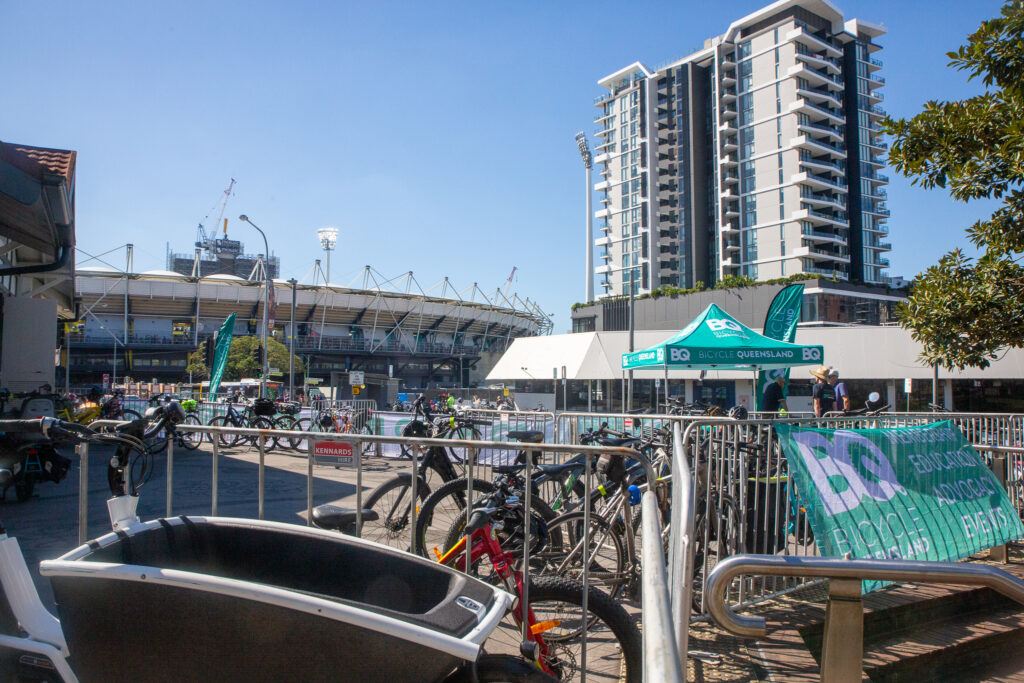
The draft plan makes no clear reference to bike parking at the new stadium. BQ CEO Dr Matt Burke said: “International best-practice design for a modern stadium includes a secure bike parking facility for at least 500 bikes”.
Paris had bike parking at their main stadiums, so did London. Many of the US World Cup stadiums provided it. It’s an essential part of downtown stadium design in the 21st century.
Other topline areas that BQ and the BUGs will push for include:
Ensuring that bikeways built through these precincts are separated facilities.
Ensuring a quality active transport connection towards Fortitude Valley along Brunswick St or a parallel corridor. The athlete’s village’s placement at the Ekka grounds means that other railway stations, including Fortitude Valley, will need to carry massive numbers of stadium patrons.
The North Brisbane Bikeway’s long-term alignment should move away from the heritage-listed trees of Bowen Park and be re-aligned along the edge of the Ekka grounds, as part of the Athlete’s Village planning.
Dr Burke said: “We will be approaching our advocacy to GIICA as a unified cycling community, speaking as one voice with the Brisbane-area bicycle user groups. We’re all here to work constructively to find good solutions.”
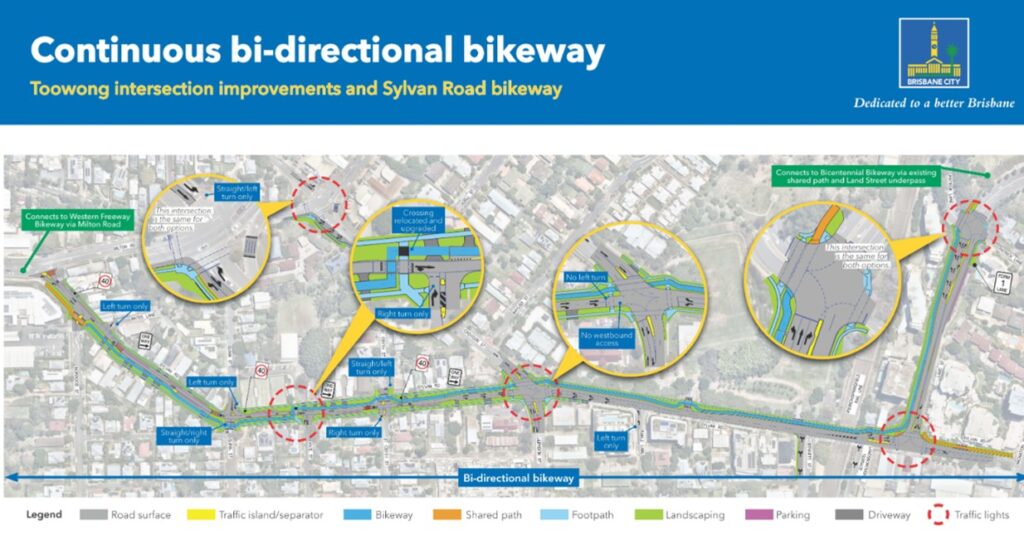
After more than two decades of advocacy, one of Brisbane’s busiest and most important cycling connections is set for a major safety upgrade, with plans confirmed for a continuous, separated bikeway along Sylvan Road in Toowong.
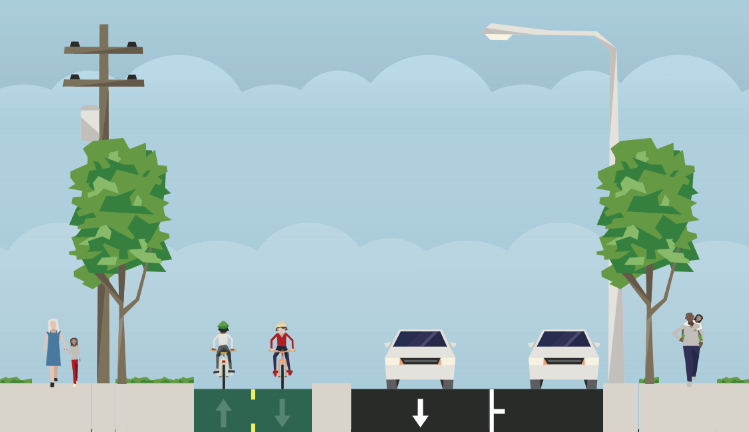
Brisbane City Council has announced the final concept for the Sylvan Road Bikeway, which will create a continuous bi-directional bikeway separated from both car traffic and pedestrians between the Western Freeway Bikeway and Bicentennial Bikeway.
The project will address a long-standing missing link in Brisbane’s western cycling network, providing a safer and more direct connection through Toowong for thousands of people travelling towards the CBD and surrounding suburbs.
Bicycle Queensland CEO Dr Matthew Burke said the announcement was a significant milestone after decades of calls to improve safety along the corridor.
“Bicycle Queensland and local bicycle user groups have been advocating for the Sylvan Road bikeway for at least 25 years. It’s one of the most-used bicycle routes into the city,” Dr Burke said.
“We’re delighted with the proposed designs. There will be much more road safety for everyone in the corridor. Well done to the Council teams involved.”
The final concept follows community consultation, where safety emerged as a key concern, particularly at intersections and on sections of Sylvan Road where bike riders currently travel close to motor vehicles.
The proposed design includes physical separation from traffic along the corridor, upgrades to key intersections and improved connections to surrounding neighbourhoods, parks, public transport and local businesses.
The upgrade will connect the Western Freeway Bikeway directly with the Bicentennial Bikeway, removing one of the most significant gaps on the route between Brisbane’s western suburbs and the CBD.
“For the first time ever, you’ll be able to ride from the Centenary suburbs through the city centre entirely on safe, protected bicycle infrastructure, with little risk from cars,” Dr Burke said.
The bikeway design is now being refined using community feedback and technical requirements, with Brisbane City Council expected to release the final concept design and further consultation findings soon.
The announcement represents an important step towards a better-connected network where protected infrastructure makes riding a realistic transport choice for more Queenslanders.
After 25 years of advocacy, closing the Sylvan Road gap is finally within sight.
Queensland councils have another opportunity to secure funding for safer bike riding and walking infrastructure, with the Federal Government opening applications for the next round of the National Active Transport Fund.
The program will make $90.2 million available for projects in 2026–27 as part of the Federal Government’s $500 million Active Transport Fund. Following overwhelming demand in the inaugural round, councils across the country are expected to once again compete strongly for funding that delivers safer, more connected communities.
We urge Queensland councils to put forward their shovel-ready projects to this granting scheme. The previous funding round attracted more than $430 million in applications for just $100 million in available funding, highlighting the strong demand for investment in projects that make it easier for people to ride and walk for everyday trips, and the fact that there is a long way to go to provide safe active transport infrastructure around the state and country. Projects such as Sylvan Road bikeway in Toowong, an active transport bridge in Dayboro and numerous walking paths have had funding committed so far.
Projects funded through the program focus on the construction or upgrade of bicycle and walking paths associated with public roads, helping create safer routes for transport, recreation and tourism while reducing congestion and supporting healthier communities.
Bicycle Queensland notes that this is a competitive process, and Councils that don’t bid for the funding will simply miss out.
“Bike riding is good for your waistline, for your wallet and it’s simply good for the world,” said Director of Advocacy Andrew Demack.
“Councils across Queensland already know this, and here is an opportunity to provide more safe bike riding for the people of your community. It’s a no brainer.”
Bicycle Queensland welcomes the continued investment in active transport and encourages Queensland councils to put forward planned projects that improve connectivity and remove barriers to riding.