Categories
Advocacy

Innisfail gets biggest project in State bikeway grants

Bicycle Queensland welcomes more than $15 million in Queensland Government funding for ten active transport projects across the state.

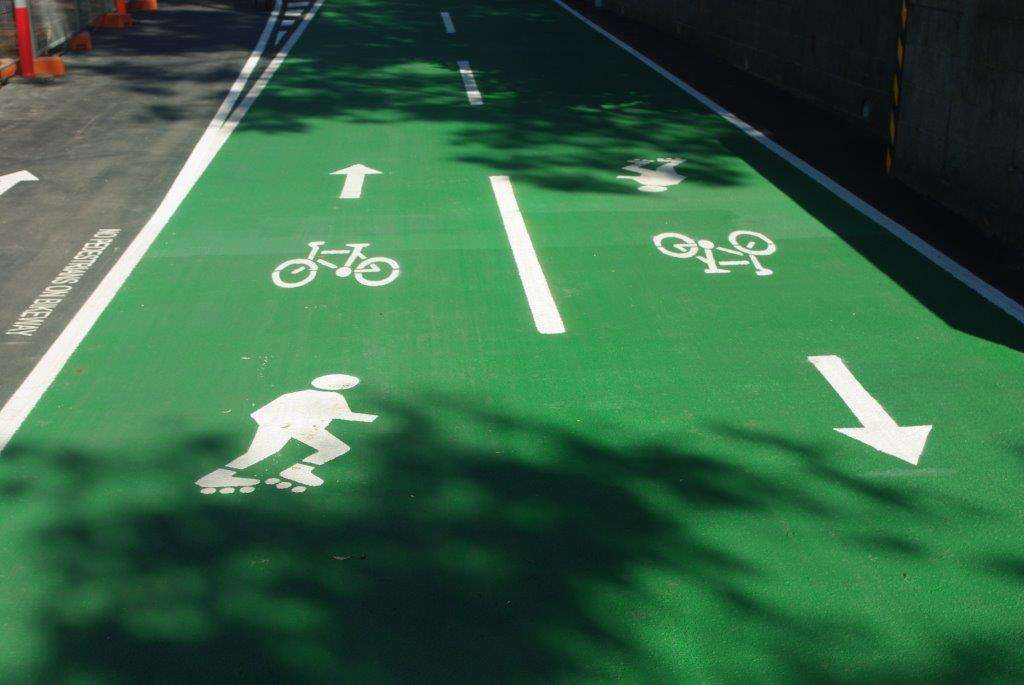
The 2026-27 Active Transport Grants Program provides $15,038,855 to councils for projects from Cairns to the Sunshine Coast. The program supports infrastructure designed to provide safe, attractive, direct and continuous connections for people walking and riding bikes, including links to schools, hospitals, public transport and other key destinations.

Investment in projects in Greater Brisbane are notably absent, despite the need for completed or new active transport connections across the region.

Eligible projects must contribute to an identified strategic network: a principal route in the Queensland Principal Cycle Network, a route in an endorsed Walking Network Plan, or an approved alternative alignment delivering the same strategic outcome.

For most councils, the Queensland Government provides up to 50 per cent of project funding, with councils expected to match that contribution.

The successful 2026-27 projects

Cairns Regional Council – $3,000,000

The project will add a dedicated connection for people walking and riding in Cairns, by construcing a shared path from Ryan Weare Park at Kamerunga Road to Redlynch Striker United Football Club at Brinsmead Road.

Cassowary Coast Regional Council – $5,916,530

At almost $5.92 million, this is the largest grant in the 2026-27 round and will improve an existing active transport connection, by improving the shared path along McGowan Drive and Fitzgerald Esplanade to Owen Street.

Central Highlands Regional Council – $818,250

Funding will construct a shared path connecting Egerton Street, Max Gorlick Drive, the Capricorn Highway and Opal Street to the Nogoa River, adding to the active transport network in Emerald.

Ipswich City Council – $692,000

This project will construct a shared path on Bremer Street between Bell Street and Ellenborough Street, improving active transport connectivity in central Ipswich.

Logan City Council – $3,000,000

The project will improve provision for walking and bike riding. Funding covers the design and construction for active transport improvements along Armstrong Road between Loganlea Road and Evans Road.

Longreach Regional Council – $27,967

Design and construct a pathway along Galah Street between the Landsborough Highway and the Longreach bus stop, providing an active transport connection to public transport.

Mackay Regional Council – $420,039

Design and construct a shared path along Milton and Henman streets between Pratt Street and Black Street.

Noosa Shire Council – $215,000

Design and construct active transport facilities on Goodchap Road, from near Heritage Drive towards Noosa Hospital, improving active transport provision to a key community destination.

Rockhampton Regional Council – $333,359

Design and construct a shared path along Graham Acton Way between Hall Street and the Rocky Sports Club.

Sunshine Coast Regional Council – $615,710

Design and construct pathways along Palm Drive, Ocean View Avenue and Meta Street between Goonawarra Drive and Douglas Street.

This investment will help make it safer and easier for Queenslanders to walk and ride. Completing missing links and creating connected routes can make bike riding a more practical option for everyday trips as well as recreation.

However, the scale of this investment is small when considered against Queensland’s overall transport infrastructure program.

The Queensland Transport and Roads Investment Program (QTRIP) 2026-27 to 2029-30 contains $55.9 billion in planned road and transport infrastructure investment over four years.

QTRIP lists investment by mode as $34.3 billion for roads, $19.25 billion for railways, $1.6 billion for bus infrastructure and $312 million for active transport, alongside maritime and multimodal investment. On those QTRIP figures, active transport represents approximately 0.56 per cent of the total four-year investment program.

The Active Transport Grants Program is one component of that broader active transport investment, rather than an additional amount outside the $312 million.

Bicycle Queensland believes the benefits of safe, connected walking and bike riding networks warrant a substantially greater investment. With Queensland’s population growing and Brisbane 2032 approaching, active transport needs to be treated as an integral part of the transport system.

These ten projects are welcome additions to Queensland’s network. The challenge now is to accelerate delivery so that more Queenslanders have safe, connected and practical options to walk and ride.
Categories
Advocacy

Gympie Council commits to rail trails

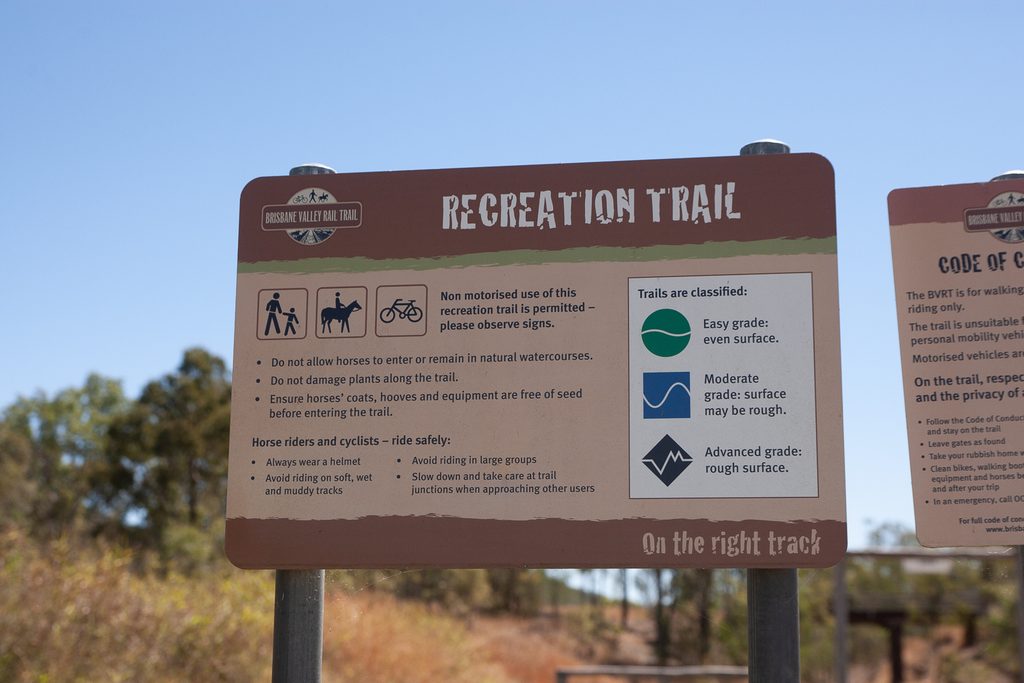
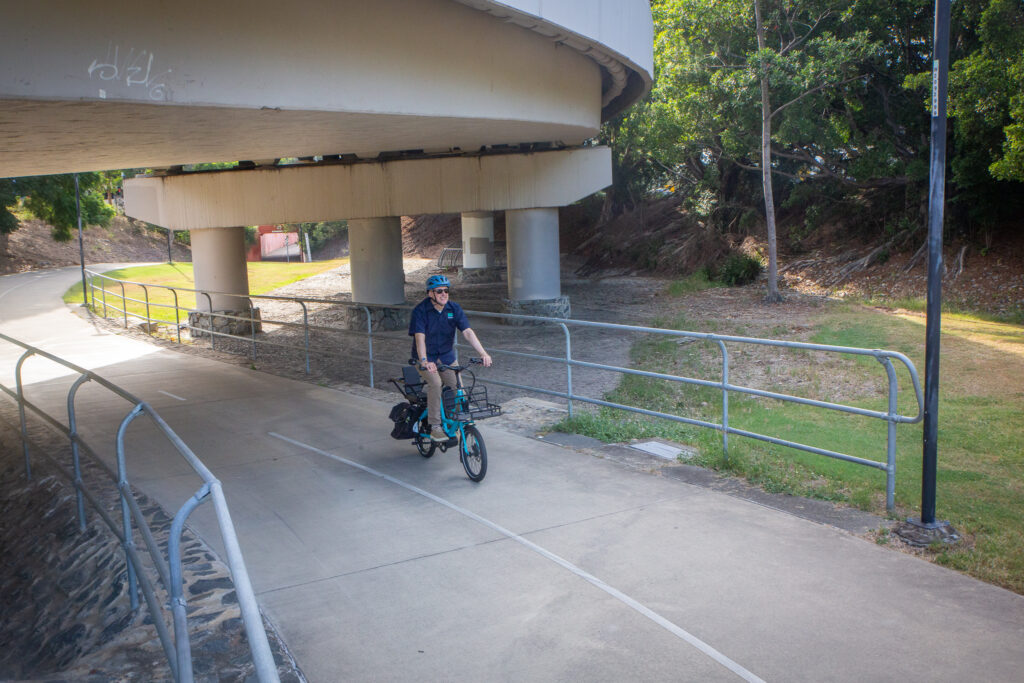
Bicycle Queensland has welcomed new funding to improve the Kilkivan to Kingaroy Rail Trail and extend the Mary Valley Rail Trail into Imbil.

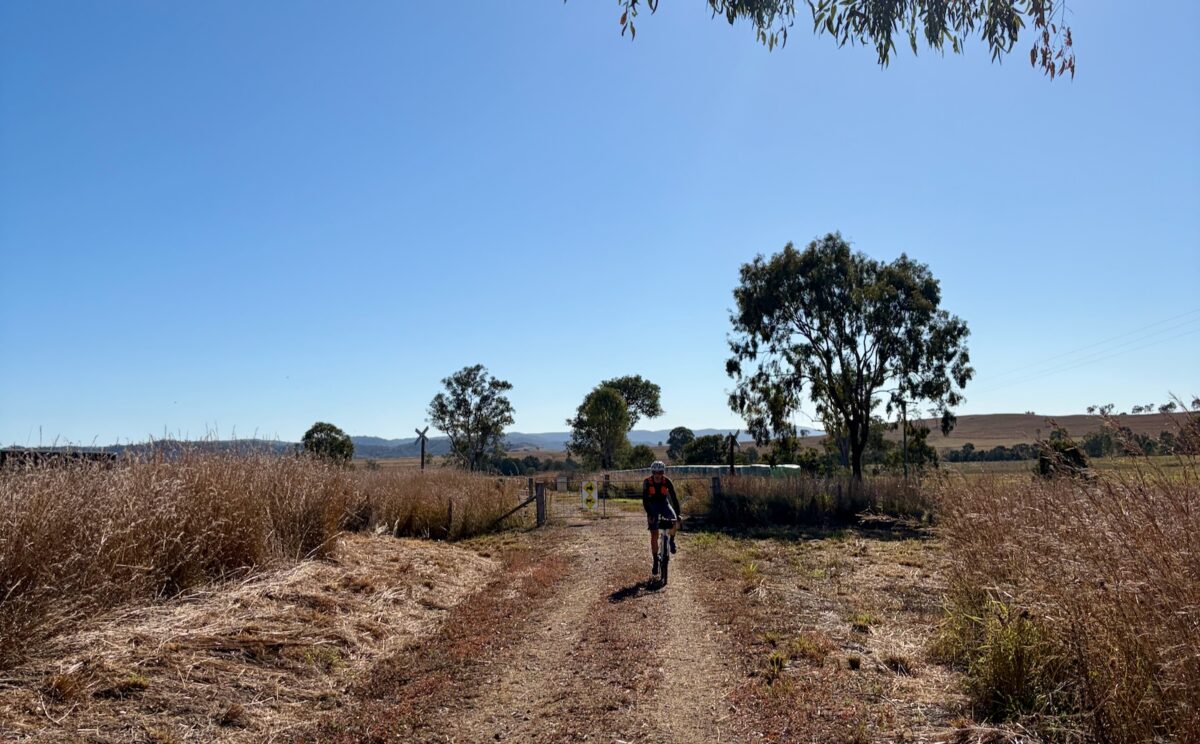
Gympie Regional Council, with funding from the Queensland Government, will repair and improve a nine-kilometre section of the Kilkivan to Kingaroy Rail Trail (KKRT) between Goomeri and Murgon.

The works will restore important links along the trail, with new culverts, concrete riverbed crossings and erosion repairs, along with the replacement of 10 pedestrian gates with cattle grids to improve access. These changes will drastically improve the rider experience on the trail, and aid in rider safety.

BQ Director of Advocacy Andrew Demack said improving these sections would help realise the potential of a much bigger regional cycling route.

“The Kilkivan to Kingaroy Rail Trail has the potential to form part of a nationally significant riding route stretching from Kilkivan all the way to Wulkuraka, by using the popular Link Trail and Brisbane Valley Rail Trail” Demack said. 

“The experience at the Gympie end of the KKRT has not matched what riders find in the South Burnett, so this investment is very welcome. Improving the surface, crossings and access will make the trail more inviting to a much wider range of riders and help communities along the route benefit from cycle tourism.”

Gympie Regional Council Mayor Glen Hartwig said the investment would improve the trail while supporting regional tourism.

“The Kilkivan to Kingaroy Rail Trail draws visitors from across Queensland and supporting local businesses along the way,” Mayor Hartwig said.

“This investment will restore sections of the trail that have deteriorated over time, making it safer, more accessible and more enjoyable for everyone who uses it.”

The funding will also support an approximately 500-metre extension of the existing Imbil to Brooloo section of the Mary Valley Rail Trail into Imbil town centre. This trail is popular with local residents and families, and the extension delivers a direct connection from the trail to Imbil’s shops, hospitality businesses, accommodation, community facilities and other attractions.

Bicycle Queensland sees both projects as examples of how targeted investment in existing trails can improve the riding experience while delivering wider benefits for regional communities.

Categories
Advocacy

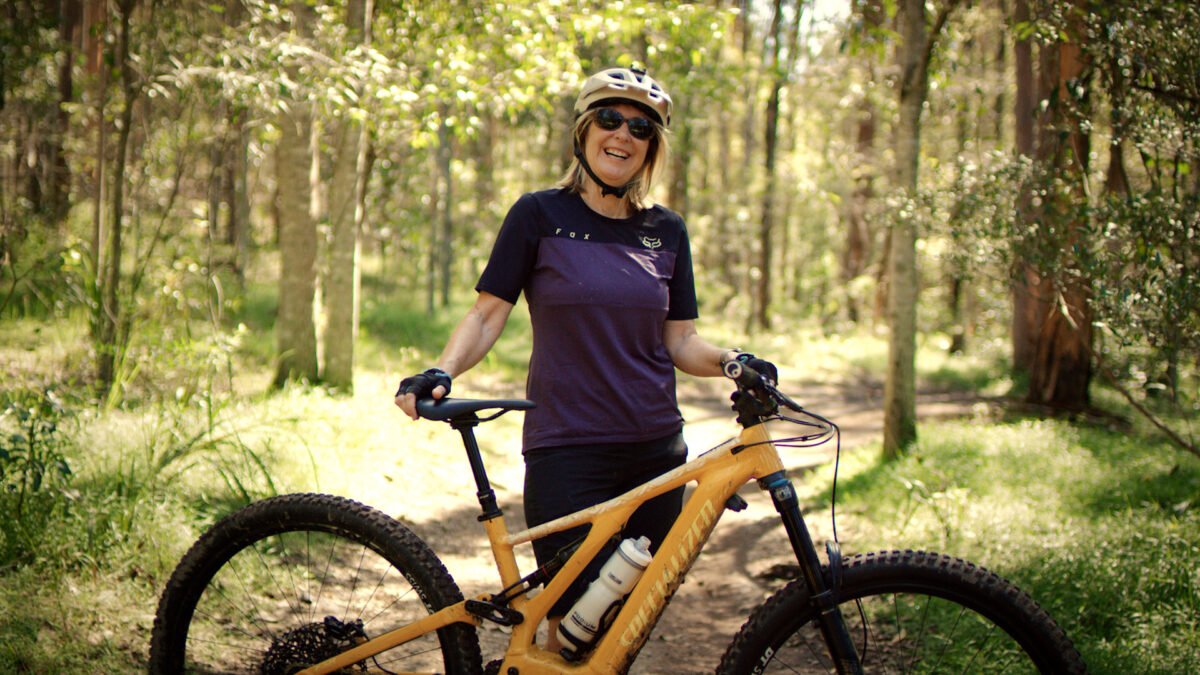
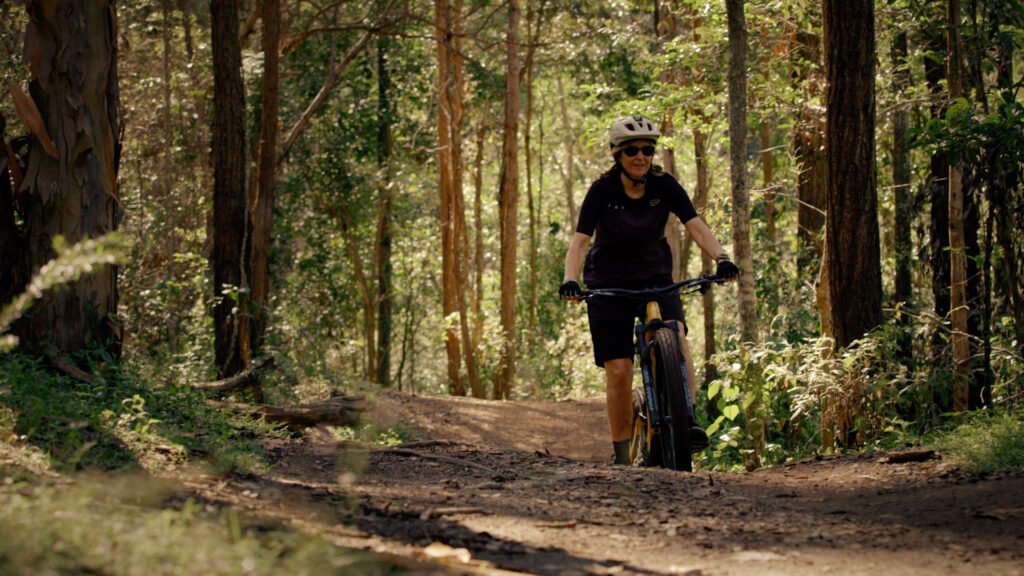
Riding e-bikes offroad in Queensland

There is some good news for Queensland e-bike riders following the introduction of new age and driver licence requirements on 31 August.

Riders of legal e-bikes are exempt from the new licensing and age requirements when riding at qualifying public mountain bike trails, rail trails and private recreational cycling facilities.

Importantly, these exemptions are broader than the list of riding locations currently published by the Queensland Government.

Bicycle Queensland Director of Advocacy Andrew Demack said riders should not assume a trail needs to appear on the Transport and Main Roads website to qualify.

“Many mountain bike trail networks owned by local governments and other Government agencies are not listed on the TMR site, but the legislation is quite clear that you can ride on public trails as long as there is a sign allowing bike use, somewhere on the trail network.”

The legislation specifically states that the places published by the Queensland Government do not limit the places to which the exemption applies.

For mountain bike trails, the legislation defines eligible trails or trail networks as being open to the public, having recreational bicycle riding as one of their main uses, being on relevant government-managed land, and being identified as a mountain bike trail by signage on or at an entrance to the trail, or at least one trail within a network.

Rail trails are also covered by the exemption where they meet the definition contained in the legislation and are identified as a rail trail by signage.

As Andrew explains:

“Riding your EN15194 legal e-mountain bike on recognised public mountain bike trails and rail trails is exempt from the new legislation’s licensing and age requirements.”

The exemption does not mean other e-bike and road rules cease to apply. Riders must still use a legal e-bike and comply with the applicable riding rules, including helmet requirements and rules around riding near pedestrians.

The Queensland Government has published a list of recognised riding areas, but the legislation makes clear that this list is not exhaustive.

View the Queensland Government’s e-mobility riding areas and exemptions

Categories
Advocacy

Wangetti Trail back on track

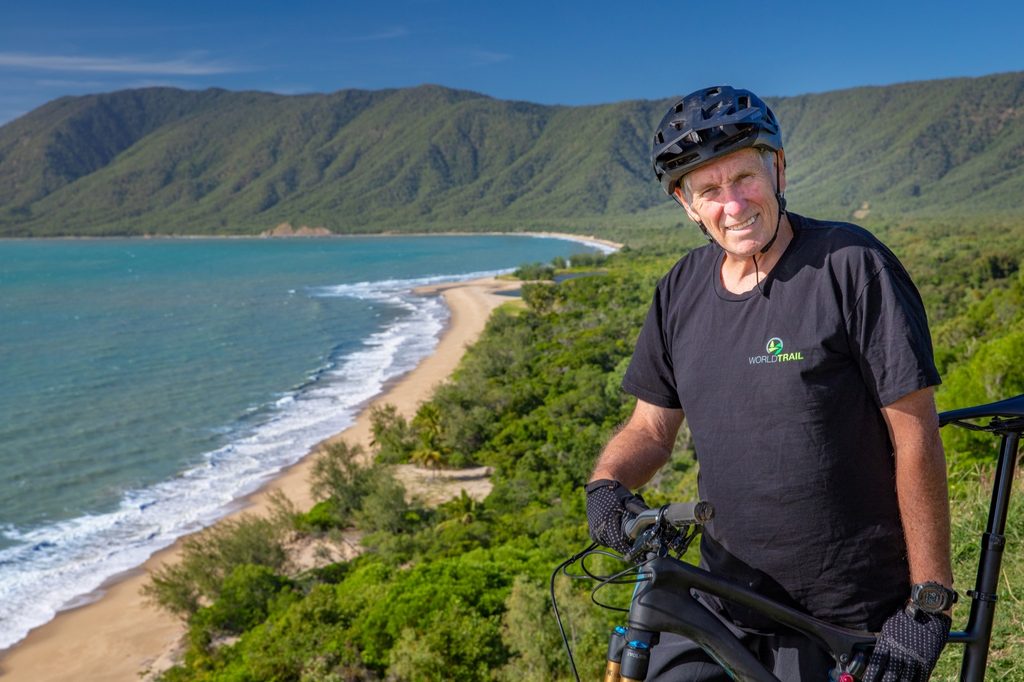
Far North Queensland’s next wave of trail development is gathering momentum, with construction underway on the next section of the Wangetti Trail between Ellis Beach and Wangetti.

Cairns-based World Trail has been appointed to deliver the approximately 22km section, backed by more than $31 million from the Queensland Government. It follows the opening of the Palm Cove to Ellis Beach section in September 2024, which has already attracted more than 19,000 visitors.

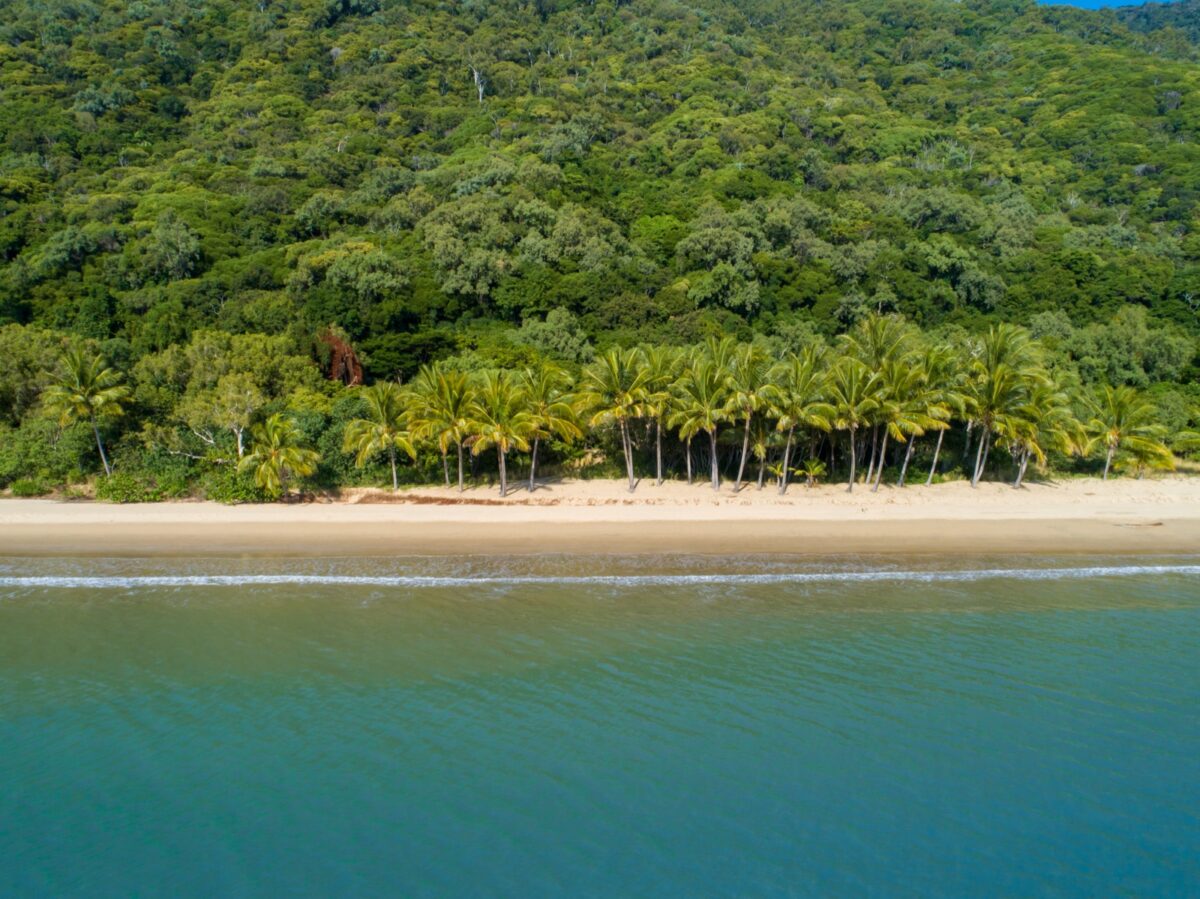
Once complete, the Wangetti Trail will provide a 94km dual-use walking and mountain biking experience between Palm Cove and Port Douglas, taking riders and walkers through some of Tropical North Queensland’s spectacular coastal and rainforest landscapes.

For Bicycle Queensland, the renewed progress is particularly exciting when viewed alongside the wider investment occurring across the region.

In August, the Queensland Government unveiled the masterplan for the $15.5 million expansion of Smithfield Mountain Bike Park. Also designed by World Trail, it proposes more than 62km of new trails, growing Smithfield from around 25km to more than 85km of purpose-built riding.

Meanwhile, the Tropical North Queensland Regional Mountain Bike Strategy 2024–2034 provides a broader framework for developing and connecting riding destinations across Far North Queensland.

Together, these projects could represent the beginning of another major chapter for cycling and mountain biking in the region.

Cairns experienced a significant period of mountain bike investment and promotion through the Ride Cairns era and the international events held at Smithfield, culminating in the 2017 UCI Mountain Bike World Championships. That investment helped establish Tropical North Queensland as an internationally recognised riding destination.

Almost a decade later, the pieces are coming together for another step forward.

An expanded Smithfield provides a major trail hub close to Cairns. Wangetti adds a completely different multi-day coastal and rainforest experience linking Palm Cove and Port Douglas. Beyond those headline projects, the FNQ regional strategy provides a pathway for investment in trail networks and destinations across the wider region.

For locals, it means more places to ride. For visitors, it creates a much stronger reason to bring a bike, stay longer and explore more of Far North Queensland.

BQ welcomes the renewed progress on Wangetti and the growing recognition of cycling and mountain biking as important parts of the region’s recreation and tourism future.