Categories
Advocacy Press releases

Queensland opens $15 million Active Transport Grants Program  

The Queensland Government has today opened applications for its Active Transport Grants Program, offering up to $15 million for councils to plan and deliver new walking and bike-riding infrastructure in the 2026–27 financial year, via a co-contribution model. 

Only $6.5 million was spent under this program last round. We strongly encourage local governments to apply, including those in the regions and Aboriginal Land Councils. Many small councils received funding last year.  

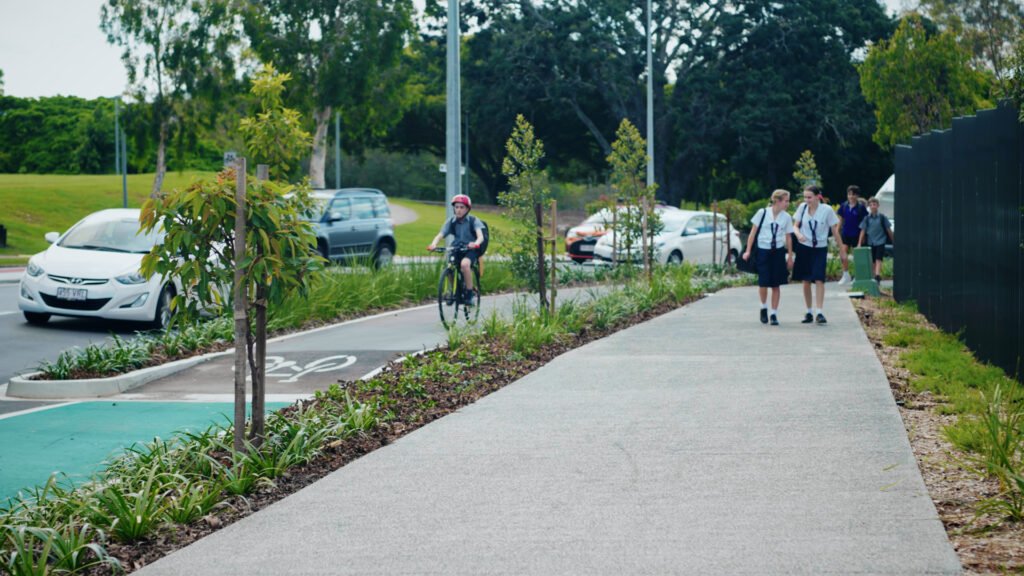
The program is designed to support projects that make walking and riding safer and more accessible, including upgrades around schools, hospitals, public transport hubs and other key destinations. It also aligns with government ambitions for the 2032 Olympic and Paralympic Games, where they are hoping to achieve transport legacy.  

The announcement merges previous separate walking and cycling funding streams into a single program, which the Government says will reduce red tape and make it easier for councils to apply. Projects are expected to be funded on a 50:50 basis with local governments. 

Applications are open from 8 December 2025 to 27 February 2026

Bicycle Queensland welcomes continued state government co-investment in active transport infrastructure with local government. But we recognise that the scale of funding is nowhere near the share of trips already made by walking and cycling across Queensland’s transport networks.  

Bicycle Queensland CEO Prof Burke said: “It’s great to see this Transport and Main Roads program funded again for 2026-27, to help councils deliver important bikeways, shared paths and crossings. It’s a chance of many councils, including some of our smallest regional councils, to plan, design or build new bikeways in their area.” 

A small change to the program could make quite a difference. There are so many council bike paths, bike lanes and crossings in Queensland neighbourhoods that need fixing. The poorest local governments in Queensland, those out in the regions, have very little revenue and can struggle to put up the 50% of the funding required for this scheme.  

Prof Burke said: “We ask that the LNP Government consider the regions here, by raising the share of state government funding for our smallest councils under this scheme, beyond the 50/50 rate. We’ve already seen the tourism impacts walking and cycling improvements are having in Winton, in Fernvale and Kilkivan. It can transform a town.”  

Prof Burke also noted: “Whilst this funding is welcomed, some existing Transport and Main Roads commitments to bikeways are being postponed or cut entirely. We are especially concerned about a bikeway link already funded from Woodridge to Kingston, being built as part of the Faster Rail project down there. It’s just been cut, without public consultation, and we want it reinstated immediately.” 

The Queensland Government has repeatedly highlighted the importance of active transport – including reducing emissions, supporting healthier communities, and relieving pressure on the road network as population grows. Bicycle Queensland strongly agrees with these goals, but remains concerned that smaller, project-based funding will not be enough to create region-wide networks that are continuous, separated, and designed for real-world travel patterns.  

The real opportunity: connected networks and mode shift 

Bicycle Queensland held 25 regional forums across the state in 2025, all the way from Far North Queensland down to Warwick, listening to what cyclists want.  

  • safer separated bikeways 
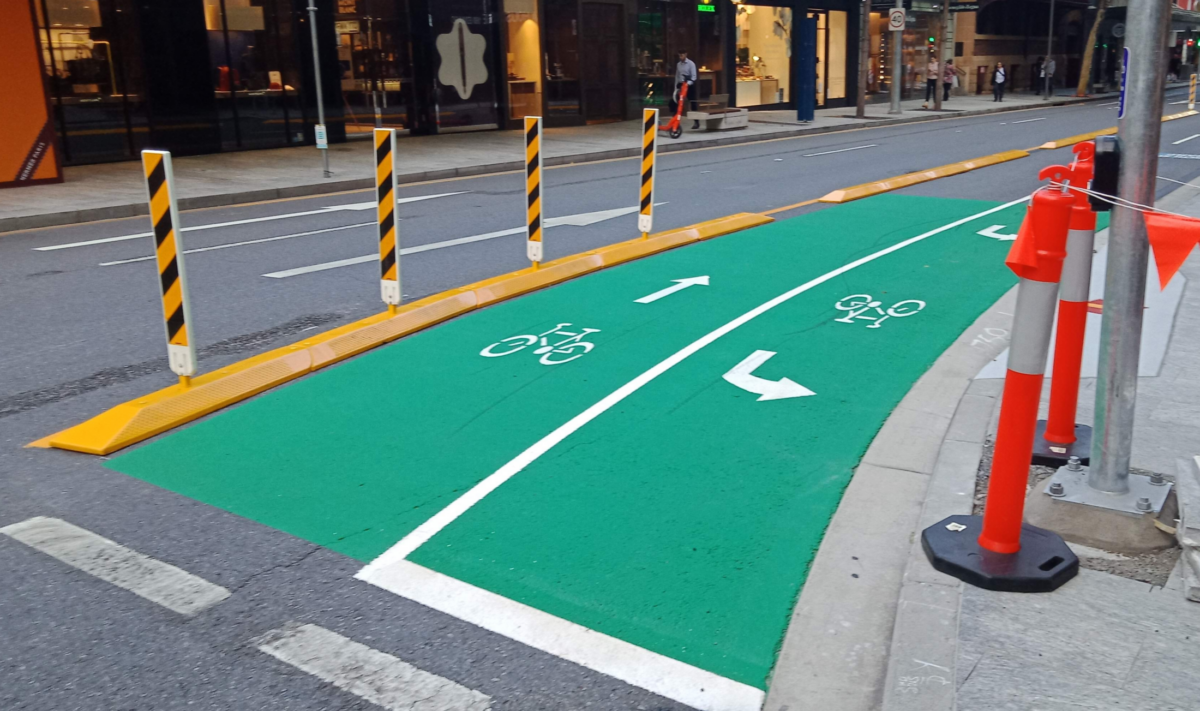
  • safer intersections 
  • better school and commuting links 
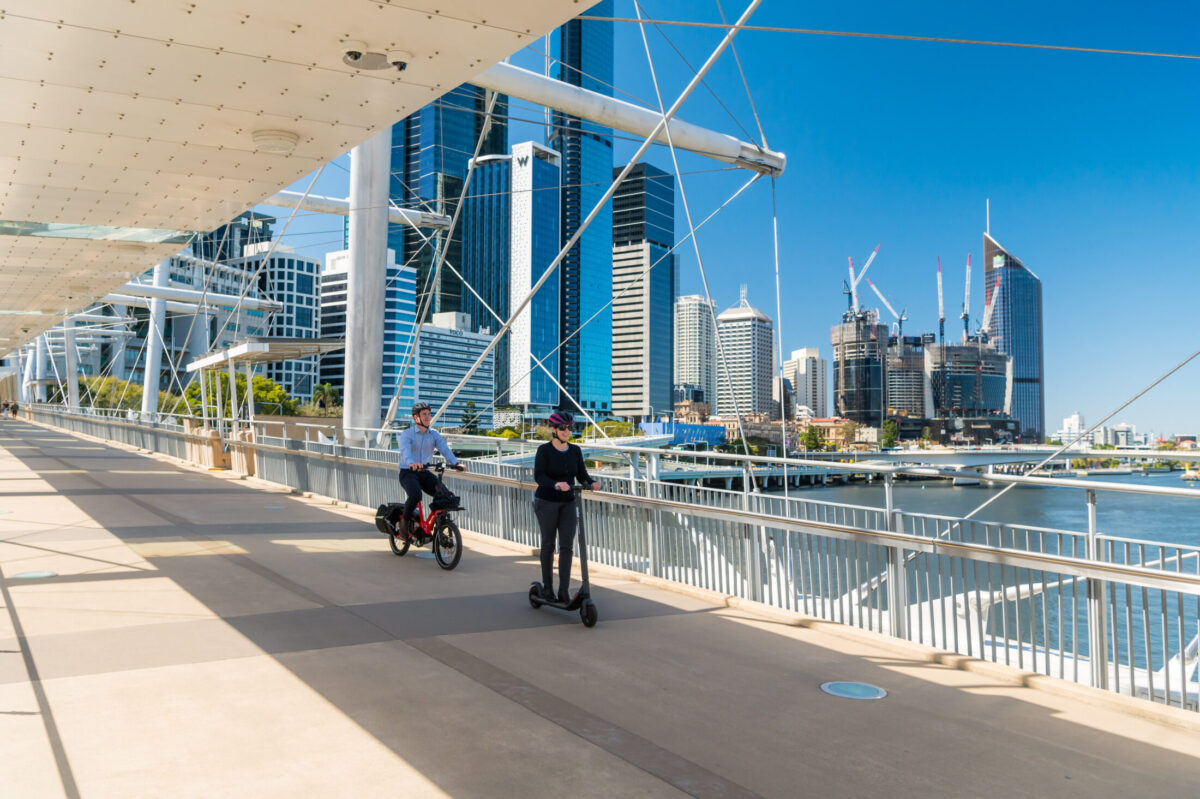
  • safe places for e-bike and e-scooter use 

Yet at current funding levels, Queensland risks only incremental improvements rather than the transformative change required to shift everyday travel behaviour. 

Investment at scale would help: 

  • cut congestion, 
  • reduce household transport costs, 
  • support public health, 
  • reduce emissions, and 
  • ensure children and families can travel safely by bike or on foot. 

Details of grants are online.

Categories
Press releases

2026 Bicycle Queensland Membership Pricing

From January 1 2026, Bicycle Queensland memberships will have a minor price change.

Annual Individual$143
Annual Household of 2$185
Annual Household of 3+$199
Annual Concession$106
Annual BQ Supporter$49
Monthly Inidividual$13.99
Monthly Household of 2$16.99
Monthly Household of 3+$18.99
Monthly Concession$10.99
Monthly BQ Supporter$4.99

Bicycle Queensland has aimed to keep pricing as low as possible, but the price changes reflect the average 3.5% inflation and additional rising costs. Not all membership prices have increased, with a saving for Household of 3+ memberships to assist households with cost of living, and a reduction in the BQ Supporter membership as there is no insurance element within that membership.

For more details, email info@bq.org.au or call our office on 07 3844 1144.

Categories
Press releases

‘Don’t buy your kids an illegal e-motorbike’: BQ warns after tragic deaths 

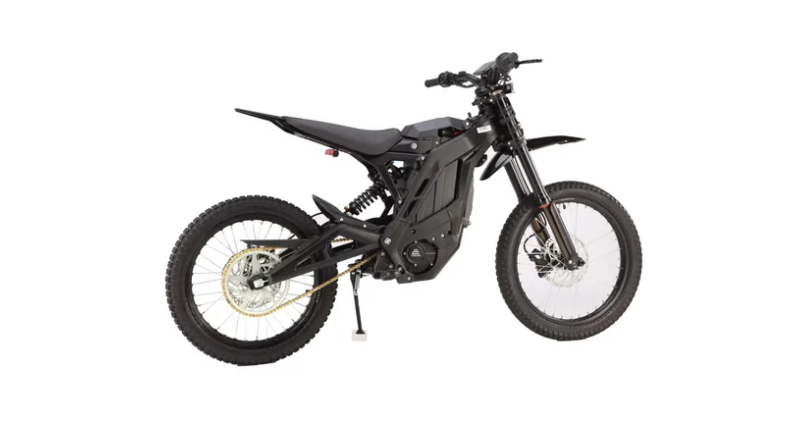
Bicycle Queensland has expressed deep concern following the deaths of an eight-year-old on the Sunshine Coast and a teenager on the Gold Coast in the past week. Both children were killed while riding electric motorbikes. There are many of these devices that are being sold as “e-bikes” throughout Queensland and Australia – however the majority do not meet Australia’s legal pedal-assist standards. 

BQ CEO Professor Matt Burke said the incidents highlight a growing safety crisis. 

“The recent deaths while children are using illegal e-motorbikes on the Sunshine Coast and Gold Coast have been pretty concerning,” he said. “Bicycle Queensland was advocating for appropriate regulation enforcement over a year ago, having written to the Transport Minister earlier this year. Since then we have made our submissions and presented to the Queensland Parliamentary Inquiry into e-mobility, as have many of our members. 

The inquiry is due to report by 30 March 2026. In the meantime, communities are concerned about the safety not just of e-motorbike riders, but pedestrians and other road or shared path users. 

“Bicycle Queensland is strongly against these electric motorbikes and has been from the start,” Professor Burke said. “It’s going to take a bit of time with the Queensland government inquiry to finish. It’s meant to report in March next year and then it’ll take time for the government response to come through. So, it could be many, many months before we see all the changes we’d like to see.” 

Professor Burke said the bigger issue lies with federal importation rules. 

“The worst news is that the Federal government, who created this mess by deregulating importation rules, are showing absolutely no indication that they want to do anything about this and re-regulate – that’s really, really unfortunate.” Bicycle Queensland has lobbied the relevant Ministers, the Hon. Catherine King and Tony Burke, and our friends at the national cycling lobby – We Ride Australia – have been working hard, but without much success thus far.  

Bicycle Queensland wholeheartedly support the sale and use of e-bikes that do meet Queensland regulations. Half of our staff own and ride legal e-bikes. The Qld Government provided rebates to encourage their take-up as recently as September 2024. The adoption of legal e-bikes has been great for cycle commuting, for uptake of recreational cycling and growth in cycle tourism. 

In the meantime, Prof. Burke has urged Queenslanders to prioritise safety and legality when buying e-mobility devices this Christmas. Just because you can buy the device, it doesn’t mean it meets the required standards. 

“If you’re talking to your friends, to your family, whoever it is, can you just tell people don’t buy your kids an illegal motorbike for Christmas?” he said. “It’s quite likely, after the inquiry – maybe even beforehand – that people will have these vehicles impounded.”  

Bicycle Queensland is calling for: 

  • Federal action to restore import regulations and stop illegal e-motorbikes entering Australia; 
  • Immediate state measures to enforce current laws and raise public awareness; and 
  • Community education so parents understand what constitutes a legal, safe e-bike. 

 
BQ encourages anyone looking for e-bikes that are legal, fun to ride and safe to visit their local reputable bike shop and ask their advice. The Bicycle Queensland website has links to reputable bike stores that will help you know what is and isn’t legal and help you find an e-bike that meets the rules. There are great mountain e-bikes, gravel e-bikes and commuting e-bikes that are legal, a lot of fun to ride and worth considering.  


Categories
Press releases

Bicycle Queensland welcomes $3.5 million boost for regional rail trails

Bicycle Queensland has welcomed the Queensland Government’s commitment of $3.5 million to upgrade four regional rail trails, saying the investment will help grow bike tourism, improve community access, and support regional economies.

“Bicycle Queensland is delighted with the State Government’s announcement of $3.5 million in funding for regional rail trails,” said BQ CEO Professor Matt Burke. “The ‘cycling economy’ is transforming many regions in Australia and it’s great to see Queensland building up and planning more rail trail improvements.”

The new funding will deliver upgrades across four key projects:

  • Pioneer Valley Rail Trail will receive $75,000.
  • Boyne Burnett Inland Rail Trail will receive $1.6 million.
  • Bundaberg to Gin Gin Rail Trail will receive $147,000.
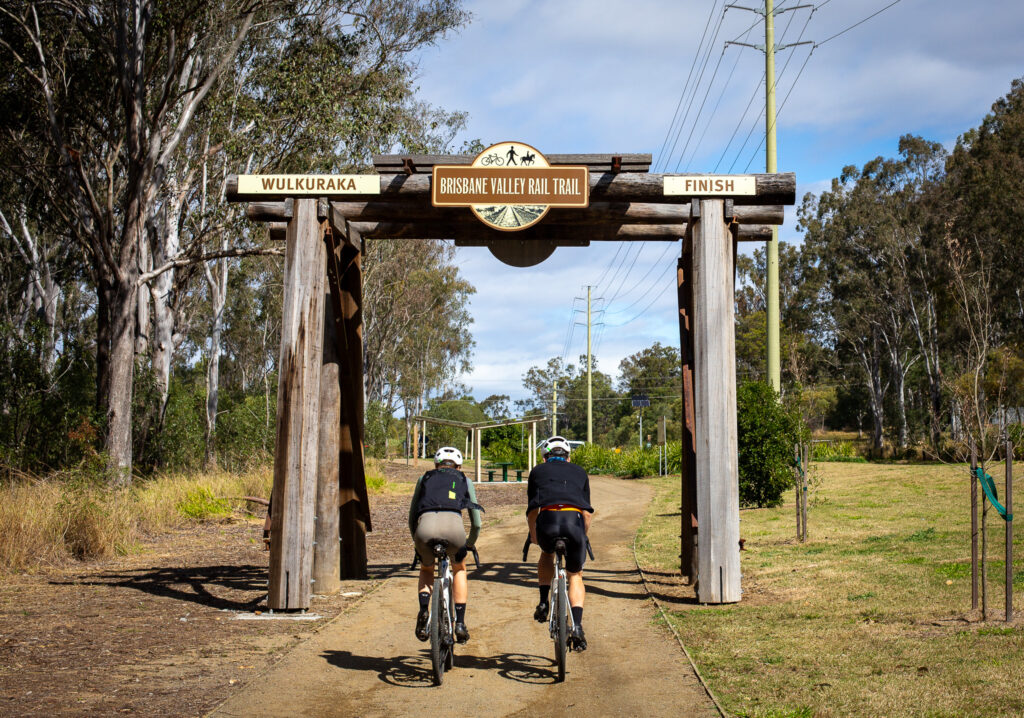
  • Brisbane Valley Rail Trail will receive $1.6 million.

These investments are designed to improve safety, accessibility, and the rider experience, while also strengthening Queensland’s regional tourism offering as part of the Destination 2045 strategy.

Discover some of Queensland’s great rail trails via our Where to Ride page.

Bicycle Queensland believes the best rail trail is an open rail trail, and recently partnered with the Department of Transport and Main Roads to deliver a Rail Trail Toolkit. The toolkit provides practical guidance for community groups looking to start or expand rail trail projects, helping to move a feasibility project to something that can be planned, built and promoted. BQ believes that the toolkit can assist more parts of Queensland being able to enjoy the social, environmental, and economic benefits that rail trails deliver. The recent announcement of funding for regional rail trails is a great sign that there is state government support for the same goals.

With thousands of people riding Queensland’s rail trails each year, from day trippers to multi-day tourists, the latest funding announcement is an important step in ensuring Queensland has national and even globally significant riding infrastructure that not only drives a tourism economy, but provides social and health benefits for local communities as well.

Categories
Press releases

Bicycle Queensland appoints Professor Matt Burke as new CEO

Bicycle Queensland is pleased to announce the appointment of Professor Matt Burke as its new Chief Executive Officer.

Following a rigorous recruitment process in which 140 applications were received, the Board has selected Professor Burke for his passionate commitment to bike riding and active transport and his deep and widely recognised expertise in the field.

Chair Rachel Nolan described Matt as “one of us, someone who has a genuine commitment to riding and to seeing bikes and active transport and bikes as a vehicle for shaping cities and towns across Queensland.”

“At BQ, we believe that people are happier and healthier, transport is cheaper and more sustainable and community amenity is massively improved when bike riding becomes a mainstream form of transport.

“That change is happening in the great cities of the world but we have only glimpses of it here.  With the backing of our 12,000 passionate members, it’s the change we want to see for Queensland.  We believe that Matt, as the leader of a great team, can help make that happen.

Professor Burke is recognised as one of Australia’s leading voices for active transport and city-shaping, and is deeply committed to advancing the benefits of bike and scooter riding to create healthier, more connected communities. A rider himself, he brings both personal and professional insight into the challenges and opportunities facing Queenslanders on two wheels.

With the Brisbane 2032 Olympic and Paralympic Games on the horizon, Bicycle Queensland identified the need for an influential leader to ensure the Games’ investment leaves a lasting legacy in transport, recreation, and sustainability for the state.

Professor Burke has a longstanding connection with Bicycle Queensland, having first engaged with the organisation while completing his PhD in Brisbane.

“Leading Bicycle Queensland is my dream job,” Professor Burke said. “I’ve been a sustainable transport campaigner since I was a teenager. I’ve been a bicycle bureaucrat and then a transport educator and researcher. But by leading BQ I hope we can really generate change across Queensland. We should have a genuine state cycle network by now. We don’t. There are still no firm commitments to improving cycling networks for the 2032 Games. We are behind other states on rail trails and regional cycle tourism. Expect a serious campaign on this front.”

Bicycle Queensland looks forward to Professor Burke leading the organisation to strengthen advocacy for safe, connected, and sustainable transport options for all Queenslanders.

Media contact: media@BQ.org.au

Categories
Advocacy Press releases

Bicycle Queensland’s response to the Parliamentary Inquiry on e-mobility

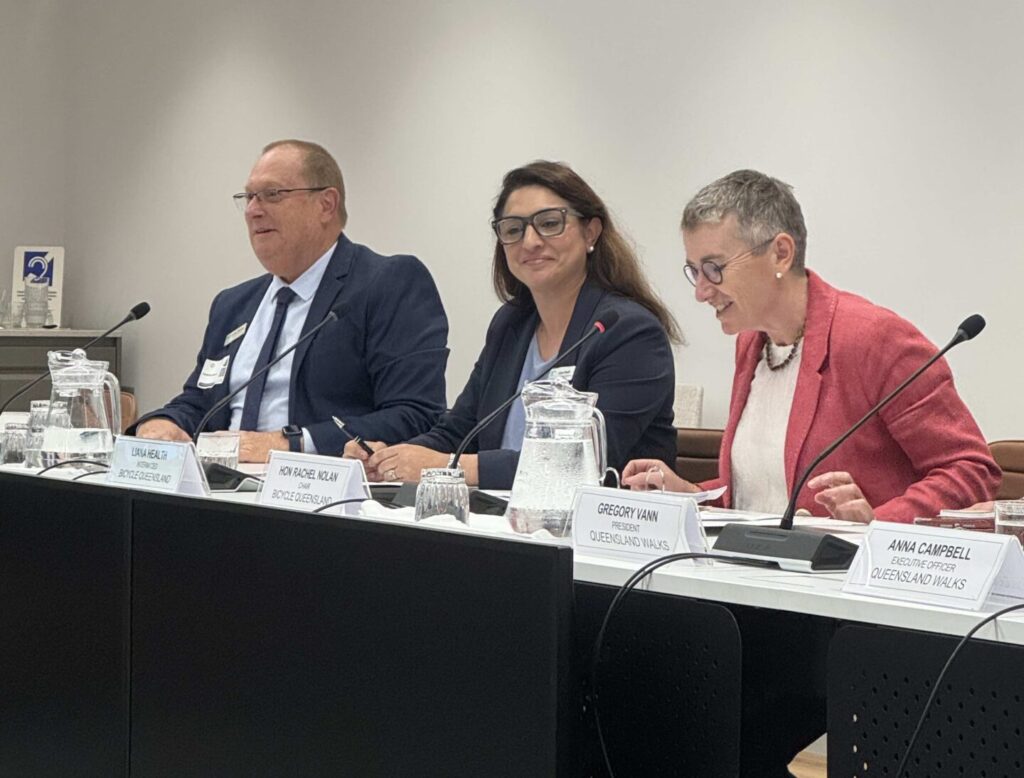
On July 22, Bicycle Queensland joined Queensland Walks in presenting to the Queensland Parliamentary Inquiry into E-Mobility, alongside representatives from RACQ, QFES, QUT’s Centre for Future Mobility, Dr Richard Buning from UQ, Lime, Neuron and Foucoult Dynamics.

The session highlighted both the promise and the pressure of the e-mobility boom, especially in urban areas. Key concerns from those who presented ranged from the safety of privately imported and modified devices, to rider education, infrastructure gaps, and the need for clear and enforceable regulations.

BQ’s submission called for:

  • Increased investment in active transport, especially separated infrastructure
  • Mode share targets to guide planning and transport policy – aiming for 10% of trips via active transport (walking or riding)
  • Investment in infrastructure to match the mode share goals – lifting from the current funding of under 1% of total transport funding
  • A stronger focus on the desirability and safety of walking and cycling, especially as urban congestion grows
  • A reduction of speed limits on local streets to 40km/h to protect vulnerable road users
  • Match import and sales regulations for e-mobility devices to the legislated standards, and run a professional public education campaign to support that

BQ’s Director of Advocacy Andrew Demack pointed out that the need for separated infrastructure for all riders was essential. But clarification is required around what a shared path is, and what a bike path is. Currently the differences and therefore the e-mobility speed limits for the different paths, is not signed. This has lead to confusion for many users.

Queensland Walks was clear on their message, that the rise in e-mobility must not come at the cost of walking and riding. “Footpaths are for walking,” Queensland Walks President Greg Vann reminded the inquiry, urging dedicated infrastructure for all micro-mobility users to avoid conflict and confusion.

Other presenters shared concerns about non-compliant devices, particularly e-scooters capable of exceeding 25km/h, which RACQ identified as unregistered mopeds. Both RACQ and QFES supported crackdowns on illegal imports especially around unregistered e-motor bikes that are frequently sold as e-bikes. They have called for stronger battery safety standards, and emphasised the need to educate both riders and parents about what the rules are.

Commercial hire operators Lime and Neuron along with manufacturer Foucoult Dynamics presented their safety records and called for better infrastructure and clearer parking policies, while academic experts from QUT and UQ reinforced that improved infrastructure – not stricter rules – has the biggest impact on compliance and safety.

BQ Interim CEO Liana Heath reminded the inquiry that active transport delivers connectivity, access, equity, and health benefits across the community – values at the heart of the Brisbane 2032 legacy that the Queensland Government is committed on delivering.

Where to from here?

The inquiry is ongoing, with more presentations being made on both the Gold Coast and Sunshine Coast. Bicycle Queensland believes that there is already a need for immediate action from the Queensland State Government in three key areas:

Infrastructure: the lack of specific infrastructure for bikes and e-scooters was a common theme, with all presenters highlighting that the lack of purpose-made infrastructure was one of the leading issues for injuries. Additionally, forcing e-mobility devices and bikes onto footpaths has reduced confidence in walking – which is the main mode of transport for everyone. Proper investment in separated paths is an immediate requirement, with transport funding to match a mode shift goal.

Illegal imports: BQ and RACQ pointed out, many of the e-devices (both illegal e-bikes and some privately owned scooters) are illegal, unregistered motor vehicles. Their import and sale in Queensland must be blocked. This is an action that Fair Trading can take for Queensland with immediate effect, drastically reducing the sale and use of illegal vehicles that are headlining negative press on the e-mobility movement and creating over-representation in hospital admissions.

Education and enforcement: Queensland has some very thorough rules in place around e-mobility use including who can use what devices and where, and limits for assistance from the electric motors. Beyond illegal imports, education needs immediate action. The Queensland Government need to invest in a thorough, professional public education campaign to inform riders and parents about the limits on devices and their use. And then they need to enforce it.

BQ Chair, Rachel Nolan urged caution regarding over regulation, emphasising the need to focus on enforcing current laws and public education, before crackdowns, “We caution the Government to use current levers and education before mandating new rules. We want to promote riding and e-mobility, not introduce further obstacles or complexity”.

As Queensland’s voice for bike and scooter riders, BQ will continue to advocate for safe streets, smarter policy, and sustainable solutions that support both existing riders and the growing diversity of people using e-mobility to move around.

Categories
Advocacy Press releases

Bicycle Queensland calls for bold, co-ordinated action on e-mobility

Bicycle Queensland (BQ) has made a strong case to the Queensland Parliamentary Inquiry into e-mobility, urging the State Government to embrace the opportunities of e-mobility while putting in place the essential infrastructure, regulation and education to ensure safety and equity for all road users.

Describing the e-mobility revolution as a positive and permanent shift, BQ emphasised the potential for e-bikes and e-scooters to deliver cleaner, healthier, and more accessible transport options — if managed with clear policy, proper planning and strong enforcement.

BQ’s submission calls on the Government to take decisive action in three priority areas:

  1. Build long-promised infrastructure such as separated bike lanes and safe paths to keep riders away from vehicles and pedestrians.
  2. Enforce existing laws which are allowing throttle e-bikes to be sold, despite them being illegal to use in Queensland.
  3. Coordinate nationally to avoid a fragmented patchwork of rules across state borders.

“We encourage the Government to facilitate the growing interest in e-mobility through a properly funded active transport network” said BQ Interim CEO Liana Heath. “To improve safety concerns for riders and the public, we need to ensure current laws and rules are enforced, rather than introducing further complexity and obstacles to safe riding,” said Heath.

The BQ submission sets out four recommendations exactly how that can be done.  BQ welcomes the inquiry and looks forward to contributing to more safe, active transport for everyone.

1. Fund and prioritise active transport

  • Reinstate mode share targets in transport planning
  • Lift active transport funding from under 1% to 10% annually by 2032
  • Reduce local road speed limits from 50km/h to 40km/h
  • Complete the Principal Cycle Network Plan by 2032
  • Develop Ride Safely to School strategies including bike lanes and bike tracks to new schools
  • Enforce a zero-tolerance approach to aggressive behaviour towards riders and e-scooter users

2. Ensure only safe, compliant devices are imported and sold

  • Enforce Australian safety standards
  • Restrict import and sale of non-compliant e-bikes and scooters
  • Govern or remove speed/throttle functions on illegal devices already sold

3. Launch a statewide public education campaign

  • Educate the public on what devices are legal and where they can be used
  • Promote rider training and safety awareness

4. Collaborate nationally on battery and safety standards

  • Implement national battery safety and charging standards
  • Coordinate legislation across states for clarity and consistency nationally

BQ welcomes the Parliamentary Inquiry and looks forward to working with the State to ensure safe and active transport for all Queenslanders.

You can read Bicycle Queensland’s complete submission here.

For more information or media enquiries:
Liana Heath

l.heath@bq.org.au

www.bq.org.au

Categories
Press releases

Bicycle Queensland Rebrands to Tricycle Queensland in safety-focused shift

In a bold move to enhance rider safety and future-proof cycling infrastructure, Bicycle Queensland has announced a major rebrand to Tricycle Queensland. The shift from two wheels to three marks a new era in active transport advocacy, aligning with the organisation’s commitment to making cycling safer and more accessible for all.

CEO Alton Twine explained the decision, stating, “We’ve always been about championing safe and sustainable transport. Moving to three wheels instead of two is a natural evolution in our work. With greater stability and enhanced rider confidence, tricycles are the future of cycling in Queensland.”

Alton Twine discussed the benefits of Tricycles with TQ’s stakeholders ahead of today’s announcement.

The transition comes as part of a broader initiative to update Queensland’s cycling infrastructure ahead of the Brisbane 2032 Olympic Games. Under the new strategy, existing bike lanes and pathways will be widened to accommodate the increased width of tricycles, ensuring a smooth transition for riders making the switch.

Andrew Demack, Tricycle Queensland’s Director of Advocacy, reassured members that traditional bicycles will still have a place in the organisation’s mission. “We want to make it clear: we still love bicycles, but as we always say—two wheels good, three wheels better. This change is about expanding possibilities, not limiting them.”

As part of the rebrand, Tricycle Queensland will introduce a new fleet of demonstration tricycles, host ‘Try a Trike’ days across the state, and launch a campaign to educate riders on the benefits of a more stable, three-wheeled future. You may not love the cornering, but you’ll love the straight line stability!

While some riders may be sceptical about the shift, Tricycle Queensland is confident that the change will lead to a safer and more inclusive riding experience for all Queenslanders.

For more information, visit Tricycle Queensland’s website—or better yet, take a tricycle for a spin and see the difference for yourself!