How to go car-free in Brisbane

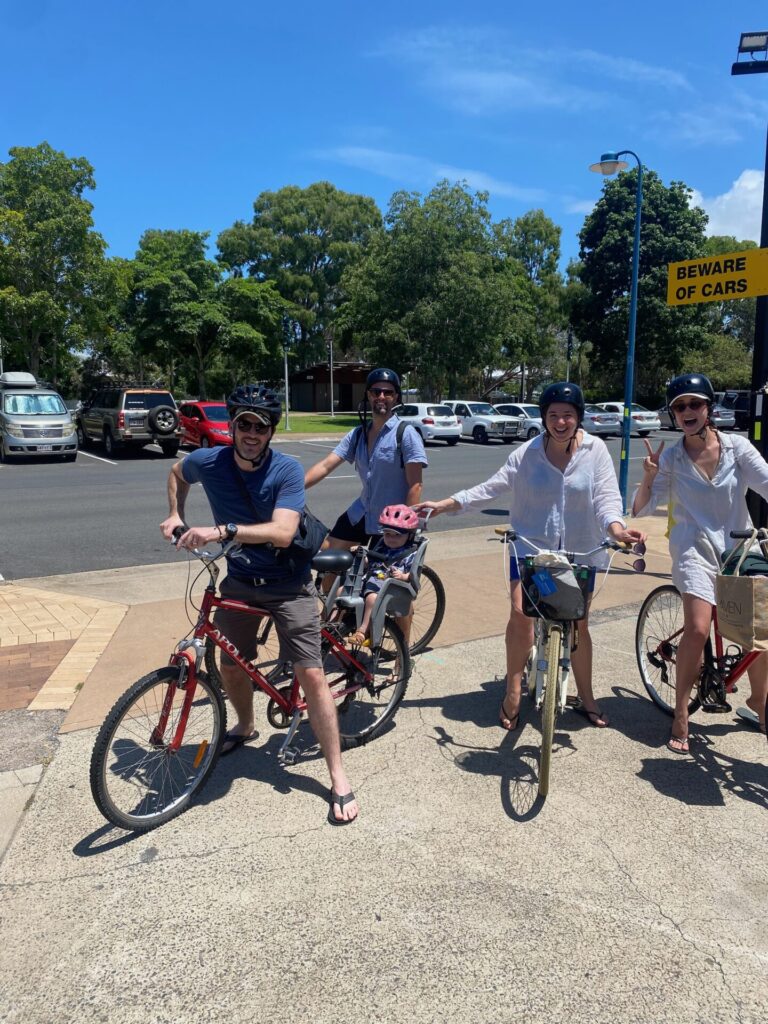
When Nicky and her young family packed up their lives in Canada and moved to Brisbane, they assumed they’d be buying a car soon after arrival. After all, Australia’s a big place, and they now had a toddler in tow.

But more than a year later, they’re still car-free – and loving it. They started their car-free life while living in Canada.

“It was really a matter of lifestyle shift and change,” Nicky says. “Our car died while we were living in Squamish, Canada — a small community north of Vancouver — and we realised we didn’t really want to own a car again. We decided to test it out for a few months and see how it went, and now, three or four years later, we’re still car-free.”

That experiment has turned into a lifestyle. And when the family relocated to Brisbane, they found it surprisingly easy to keep going without a car.

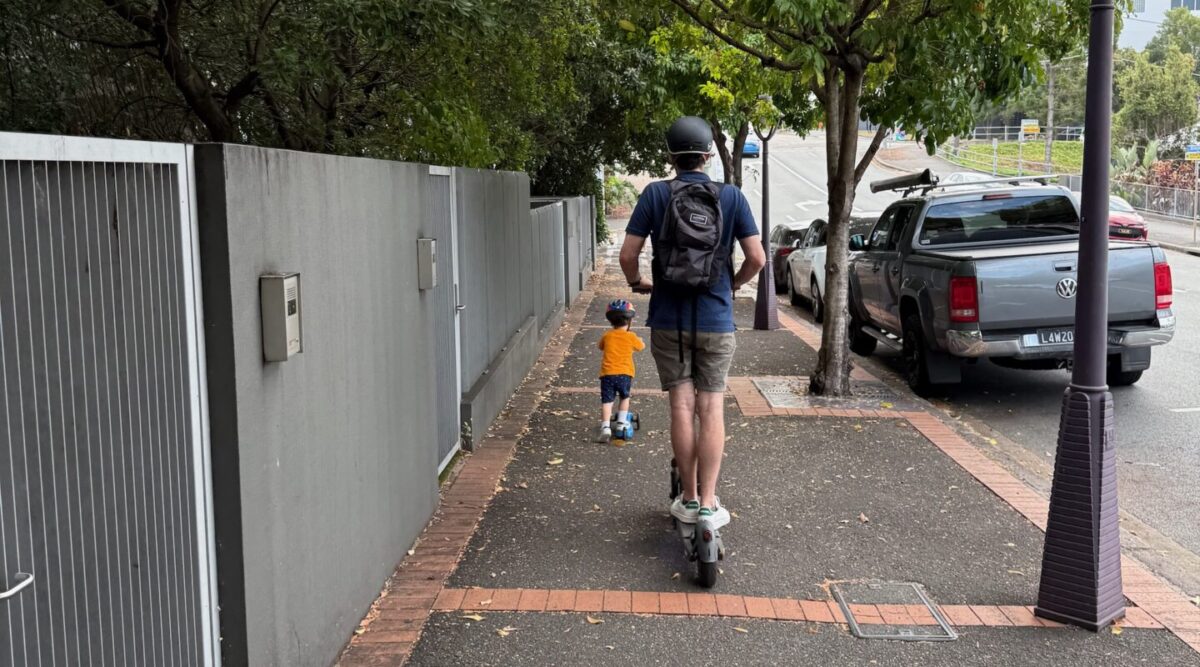
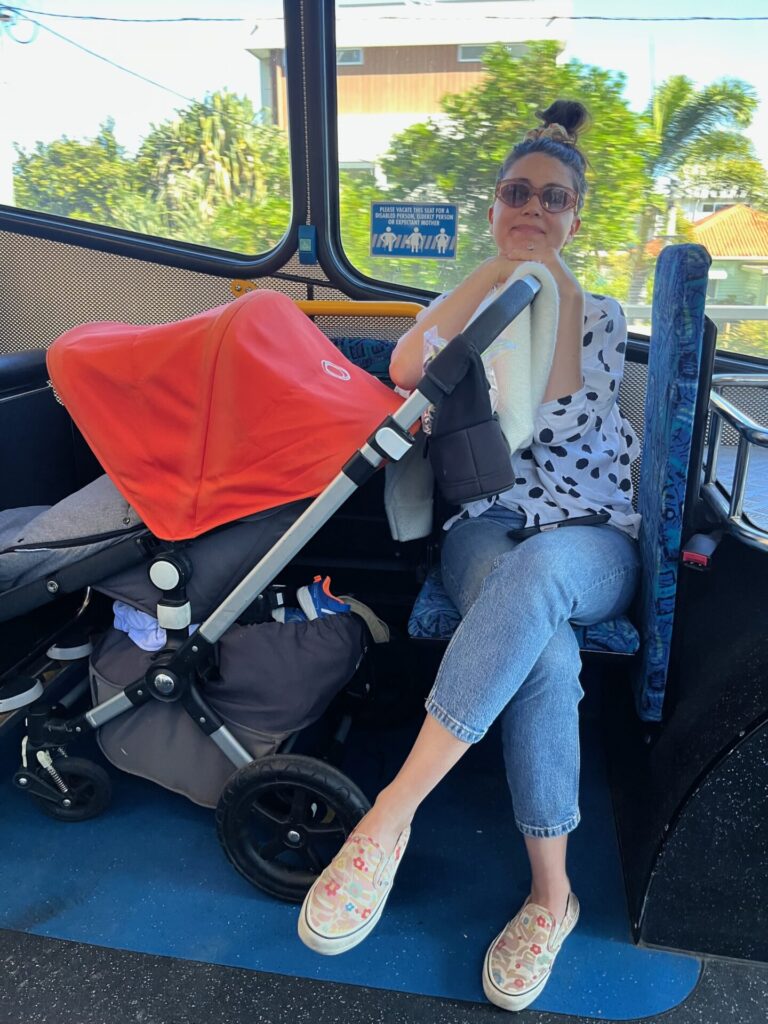
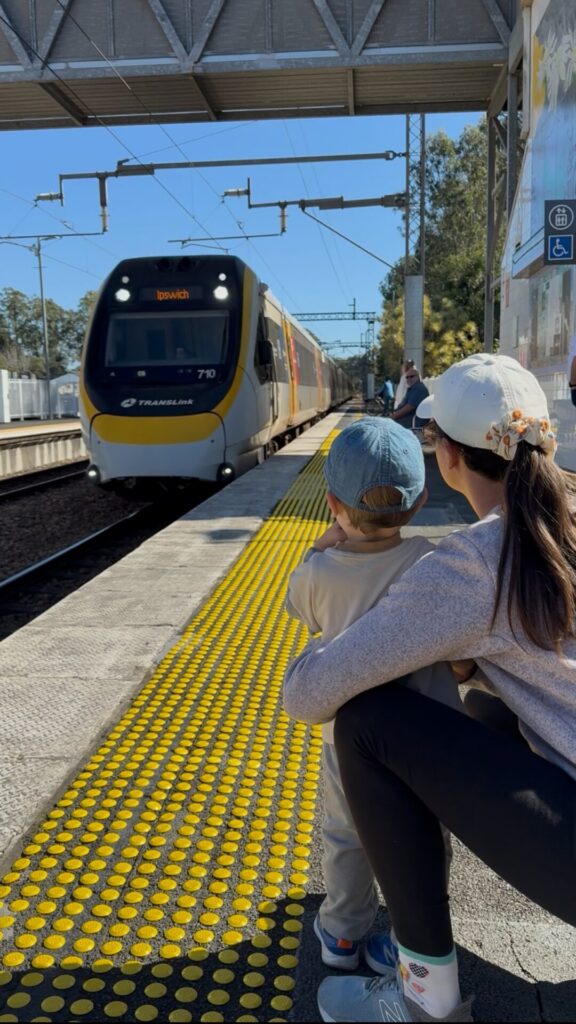
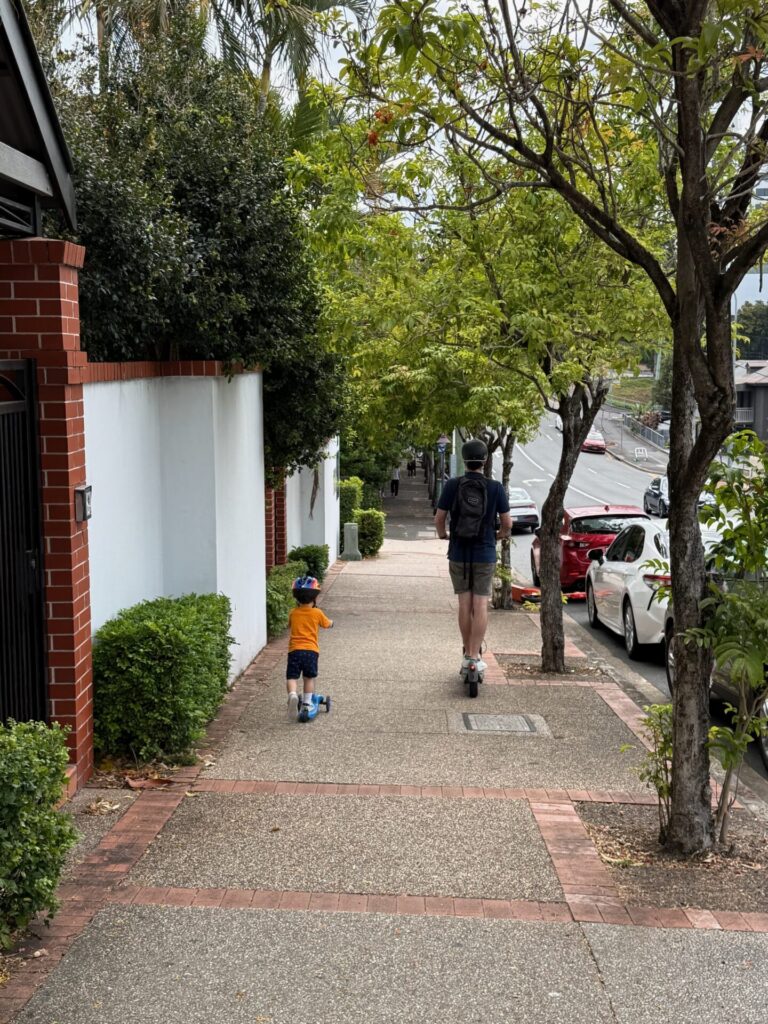
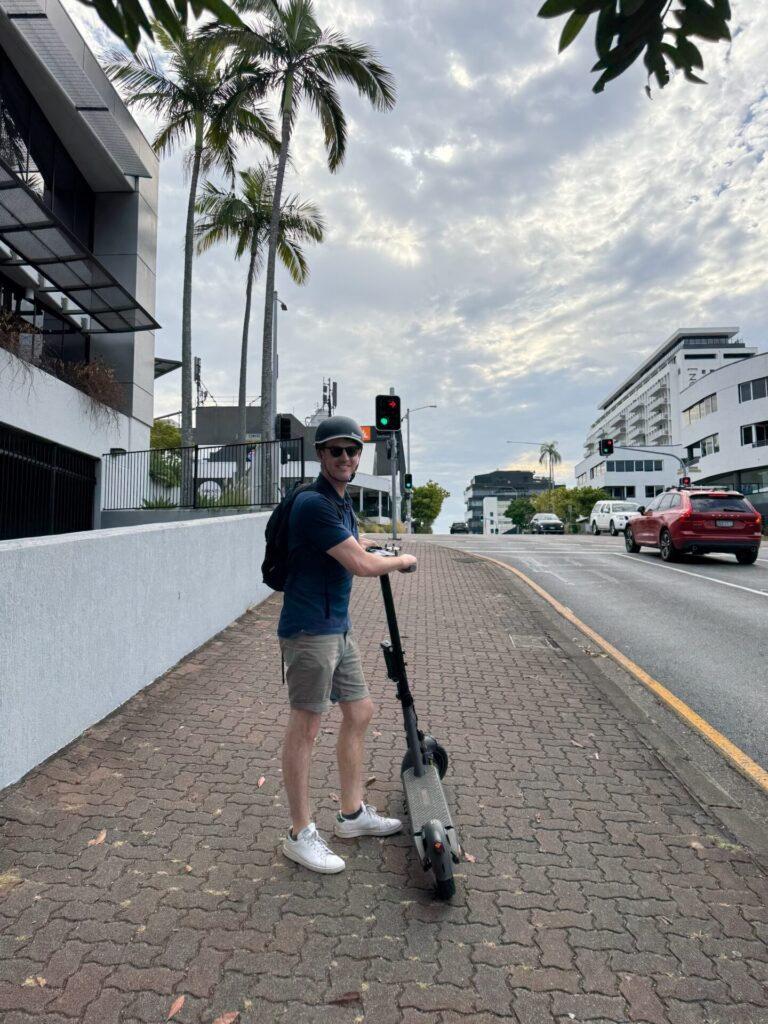
“We thought for sure we’d need one when we moved to Australia,” Nicky says. “We even looked at buying one when we first arrived. But we live close to the CBD, and public transport is basically on our doorstep. My husband commutes into the CBD on his electric scooter as it only takes him six minutes. Our little boy, Charlie, and I get around on buses and trains. It’s simple and stress-free.”

Adjusting to a car-free life

Going car-free didn’t happen overnight. Nicky admits that at first, the change felt like a big mental adjustment when they were in Canada.

“It definitely takes some reorienting,” she says. “Our brains are so hardwired to jump in the car for everything. You have to shift that thinking, to look at the options instead of the obstacles.”

In Canada, the family used a local rideshare app called Poparide for occasional trips to Vancouver and got creative about local errands. “We did a lot of grocery shopping by bike, and we walked whenever we could,” Nicky recalls. “Once you take the car off the table as an option, it’s amazing how quickly you find other ways.”

That mindset carried over to Brisbane and Nicky says it’s changed how they experience their city and their neighbourhood.

Benefits beyond savings

Nicky explained that the benefits have been huge: physically, mentally, and financially.

“Physical activity is probably the biggest one,” Nicky says. “It’s all incidental exercise – walking to the park, taking the bus, running errands. You’re not going to the gym or jumping on a treadmill, you’re just living your life.”

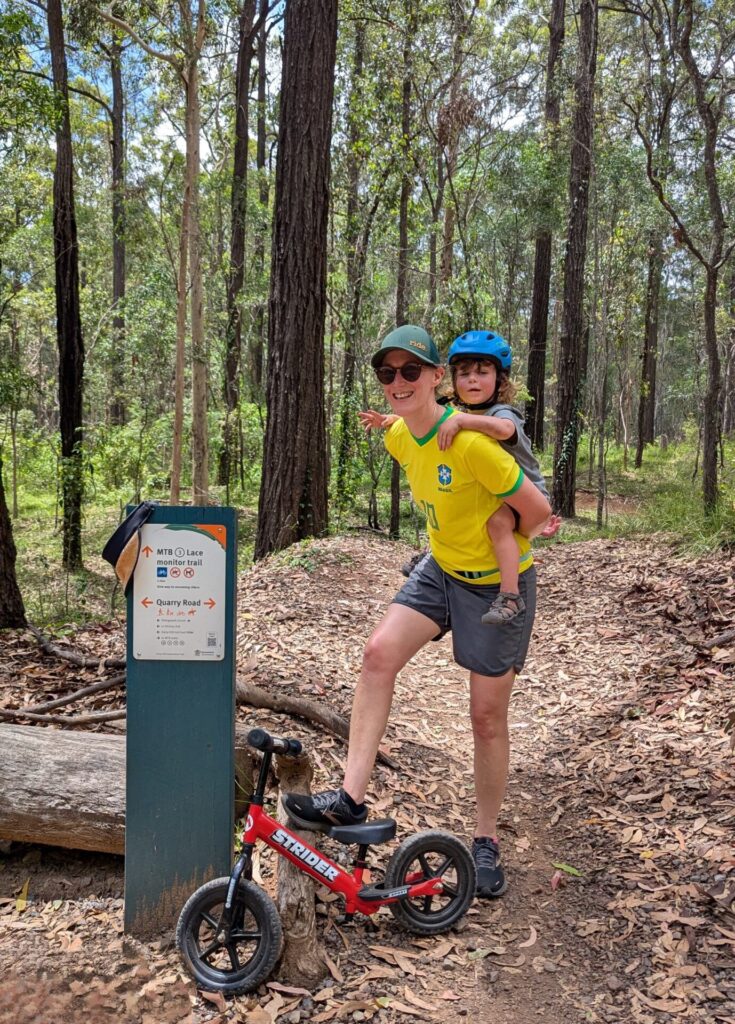
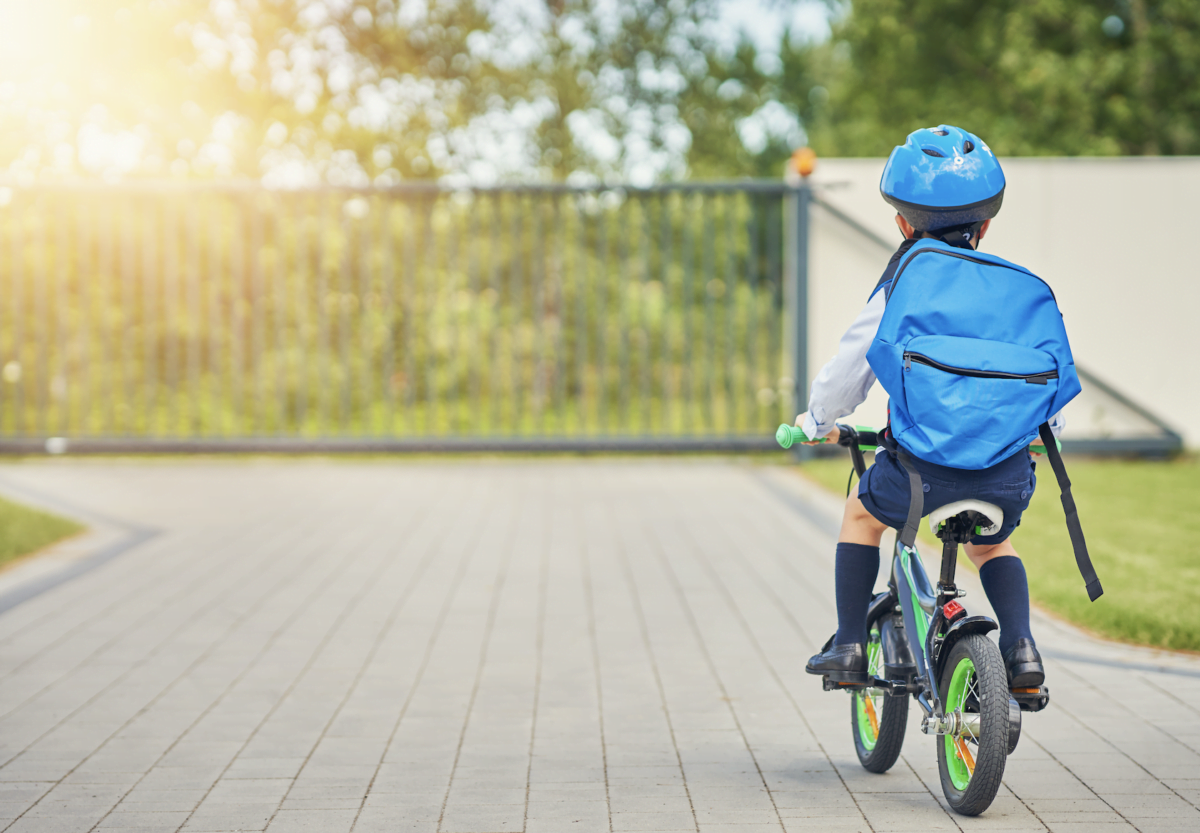
Their toddler Charlie is part of it all. “He’s 22 months now, and he’s on his little balance bike every day. We’ve signed him up for the Starlight Foundation’s Tour de Kids challenge. We pledged 30 kilometres in a month, and I quickly realised that’s not a challenge for us at all!” she laughs. “We easily cover that just walking and biking around every day.”

Beyond fitness, Nicky says the lifestyle has deepened her family’s connection to their surroundings.

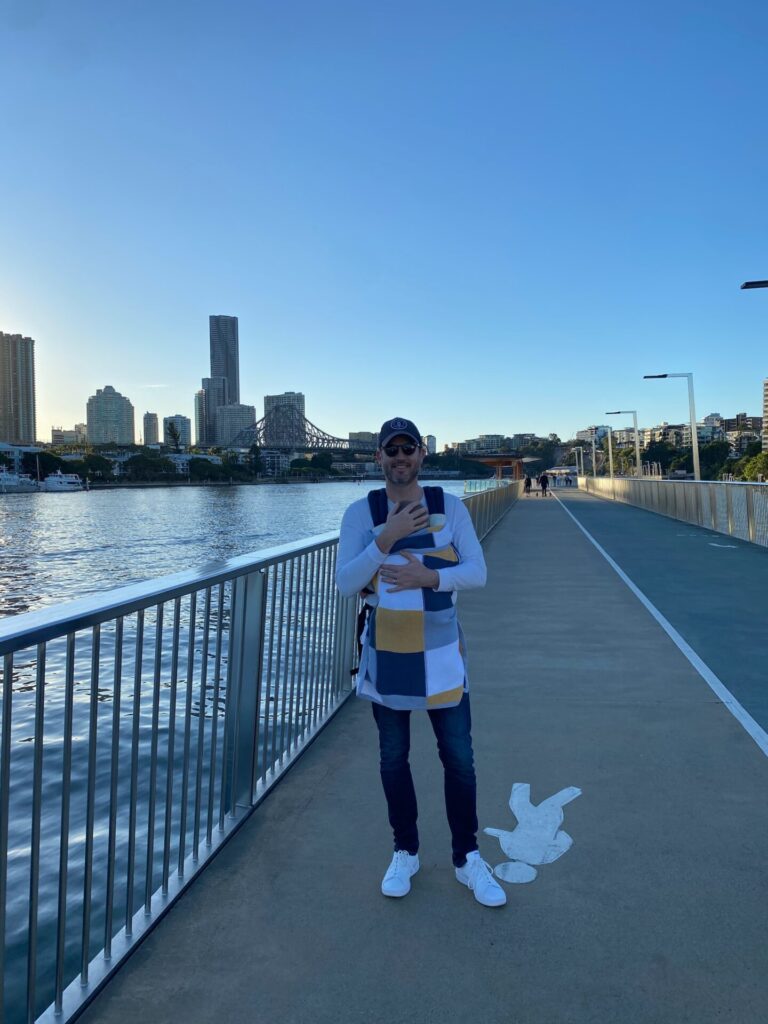
“When you’re walking or on the bus, you really see your neighbourhood. The other day, Charlie was pointing out all the spring flowers. He’s noticing things, engaging with the world. We really feel the change of seasons because we’re out in them every day. It’s beautiful.”

And then there’s the financial benefit, which Nicky describes as “huge.”

“I looked at an RACQ report that estimated car ownership at around $1,200 a month for a small car. That’s everything, fuel, insurance, maintenance,” she says. “We spend less than $100 a month on public transport, thanks to Brisbane’s 50-cent fares. It’s a massive difference.”

She says that independence is another unexpected reward. “Even at not-quite-two, Charlie’s learning to stop at the lights, press the button to cross the street. It’s teaching him confidence and independence. It’s amazing to watch.”

That’s not to say it’s without its challenges. Nicky admits the Brisbane heat and hills can be a deterrent, especially living close to the CBD.

“I have a bike though I probably need to check if it’s in working order!” she laughs. “It’s just too hilly here for me to ride regularly, especially with Charlie on the back. I’m looking into a cargo e-bike, maybe through a subscription model, which would make it much more doable.”

Her husband’s e-scooter has become the family’s secret weapon. “It’s so efficient,” she says. “He’s door-to-door in six minutes and you can’t beat that with a car in city traffic.”

Can you go car-free?

If there’s one message Nicky wants to share, it’s that car-free living doesn’t have to be all-or-nothing.

“You definitely don’t have to go fully car-free to make a difference,” she says. “Start small. Think about one regular trip you do – maybe it’s to the gym, daycare, or the grocery store – and try doing that one without the car. Make it consistent for a month, and it becomes habit.”

For her, research and planning have been key. “Google Maps is my best friend. Check the bus times, figure out the walking distance, build in a little buffer. It’s really easy once you get used to it.”

And she insists that active transport in Brisbane can be fun, not a chore. “Take the ferry!” she says. “It might not be the most efficient way to get where you’re going, but you’re on a boat, it’s beautiful, and it’s only 50 cents. That’s what I love about being car-free. Once you’re comfortable using public or active transport, you can get creative with it and actually enjoy the journey.”

What can be done to improve car-free journeys?

As for what organisations like Bicycle Queensland can do to help, Nicky believes it’s about visibility and normalising small steps.

“When people hear we’re car-free, their first reaction is, ‘Oh my god, I could never do that,’” she says. “But it doesn’t have to be hard. Advocacy that shows how achievable it is makes a difference, even if it’s just one car-free day a week. Once it becomes habit, it doesn’t feel like a sacrifice at all.”

For Nicky’s family, it’s not about giving something up but  about gaining freedom. “We’re out in the world every day, we’re saving money, and we feel more connected to our community. I just love it.”

How to set up a bike bus

For Michelle Brady, riding her daughter to school was a simple, joyful part of family life. But over time, what had started as a healthy daily routine became increasingly stressful.

“My daughter went to Dutton Park Primary School originally and I have a son at Yeronga Primary School. When she started prep in 2016 we would ride up Fairfield Rd. She would be in the bike trailer and that was fine. But over the years ithe traffic became more and more congested and riding up that road felt reckless,” she said. “You had to ride up the footpath, which again has its challenges. Then you had to go up the side streets, which of course is much more time consuming up and down hills.”

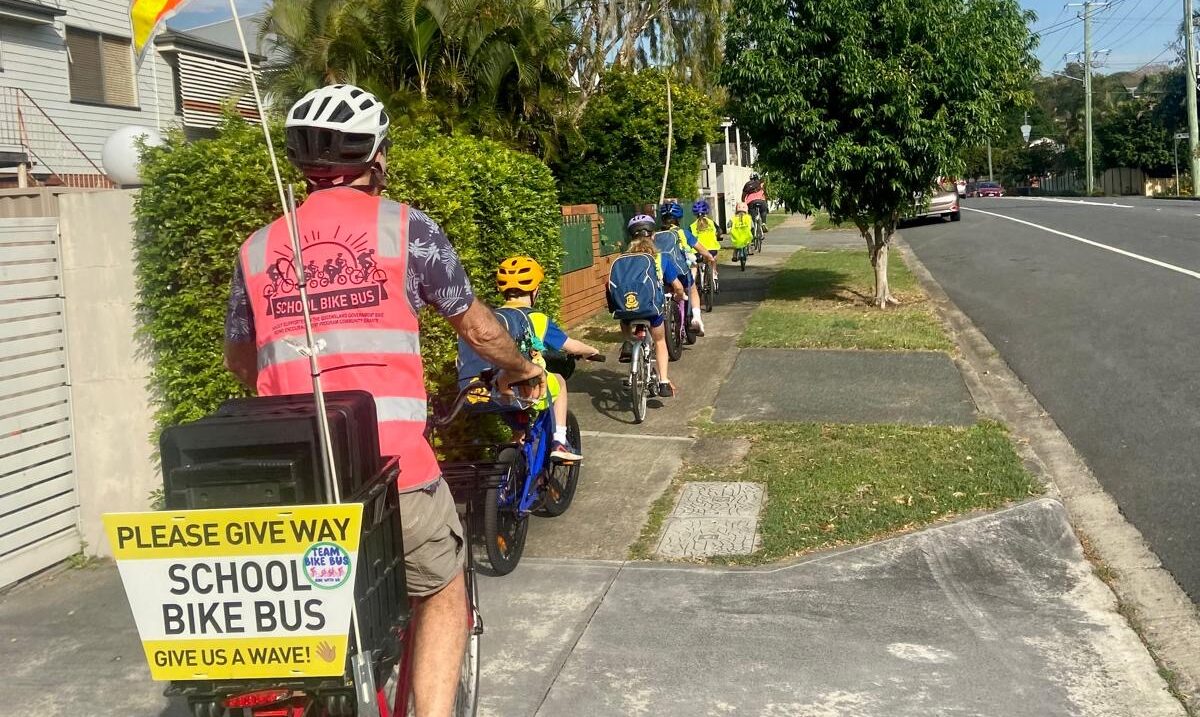
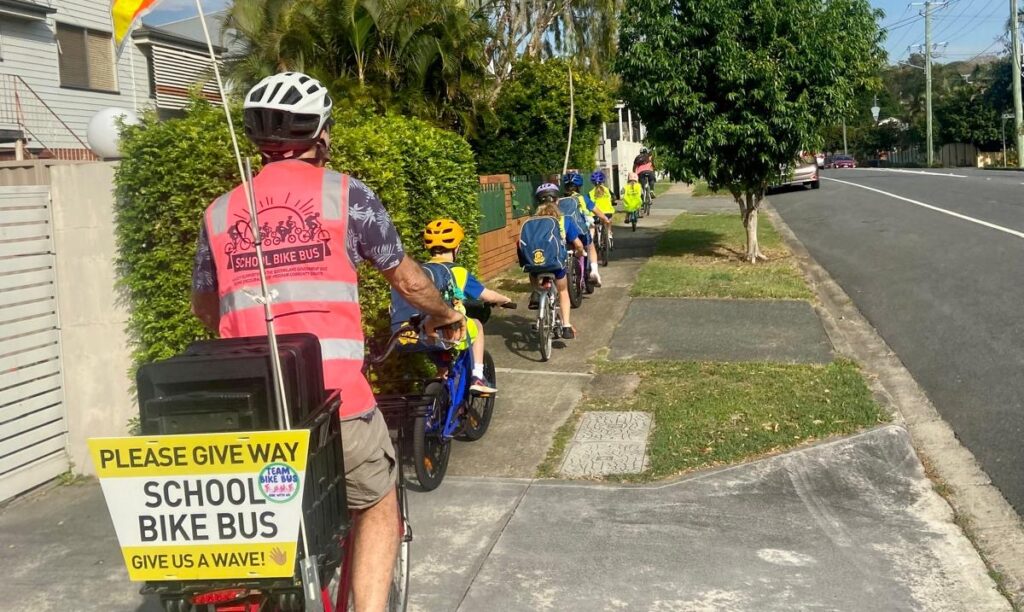
As her son prepared to start school, Michelle began looking for a safer way for families to ride. That search led her to the concept of a bike bus, groups of students and parents riding together to school on a set route, with set stops, supported by adult leaders.

“With my son starting prep this year I really thought it would be great to get some bike buses set up to make, yeah, a safer way to ride,” she said.

Working with other parents, Michelle helped launch bike buses at three local schools in June 2025, including Yeronga State School, creating a visible and growing movement of families choosing active travel. The community group were successful in applying for one of TMR’s Bike Riding Encouragement Program grants, which helped them create these resources to guide other groups on developing their own bike bus.

Bike Bus Program – Project Summary: This will help get you started. It includes setting up routes and stops, communication, tracking uptake and more.

Junction Park State School Bike Bus FAQ: Information is everything! Having an FAQ sheet will help spread the word to interested parents at your child’s school, so they can decide if the Bike Bus is for them.

Bike Bus Leader Training: Deciding who should lead a Bike Bus, and what their experience is, is essential. This helps determine processes, protocols and ground rules. This should also cover basics like fixing a flat tyre!

Bike Bus Program – Safe Active Travel Feedback: A Bike Bus is an excellent way to get feedback on active transport decisions – and infrastructure. Sourcing feedback can help guide advocacy in your area.

Back to School for 2026 

With a return to school for the new year, every road user will see how school travel adds to congestion, both in the morning and the afternoon. School traffic is one of the major contributors to peak-hour congestion, with nearly 20% of trips involving the school run in both the morning and afternoon in Queensland. 

Bicycle Queensland believes meaningful congestion-busting must include making it easier for families to choose active travel to school. Walking, cycling and scooting are a great way to travel. Active travel also has social and physical health benefits for children and can boost their sense of independence, and their readiness to learn each morning.  

Options for active school travel 

Not everyone will be able to leave the car at home and ride with their kids to school, or to send them off down the road alone. For many families the time or safe infrastructure may not be there. But there are often still options.  

Halfway is OK – you may be able to not just cut distance and time, but also cut out unsafe parts of the route if you drive and park halfway. No having to line up for drop-off and pick-up. This reduces congestion in the immediate vicinity of the school, and adds some time outdoors to your day. 

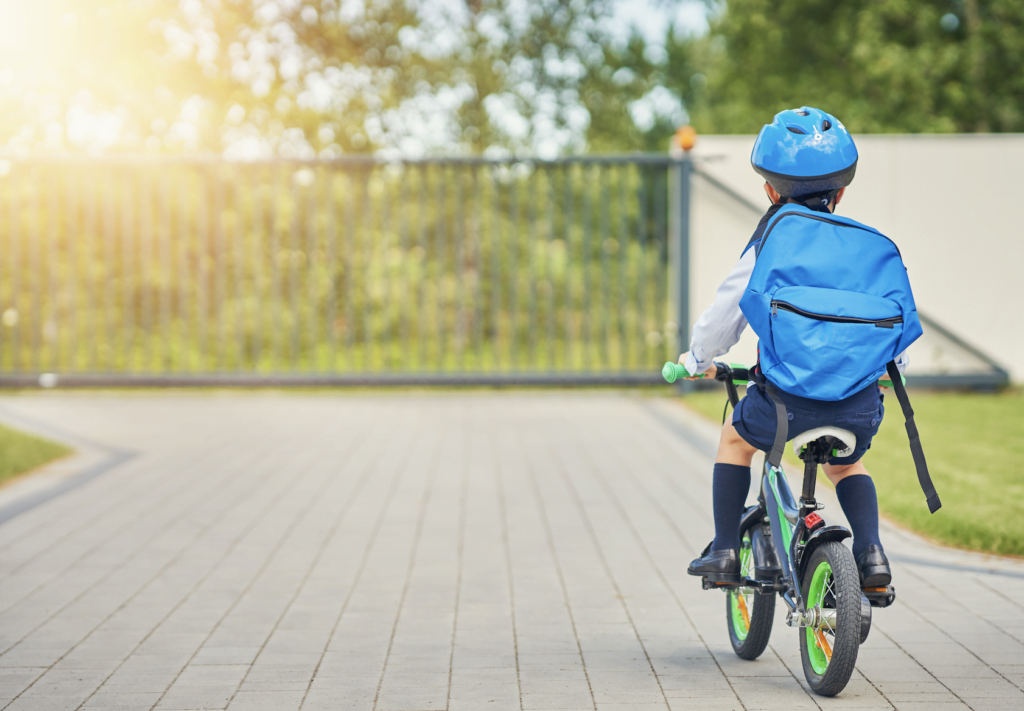
It doesn’t need to be every day – by allowing kids to ride to school even one or two days a week will build good habits and add important physical activity. 

Lead by example – ride or walk with your younger children; make sure you wear a helmet correctly and model safe riding behaviour on paths and roads. 

Keep it social! Gently encourage your kids to ride with friends. Map a safe route and share it with other parents, see if they’ll come along. Contact your school or P&C and ask about setting up an active travel group – maybe even a bike bus one day a week! 

Run a bike safety check 

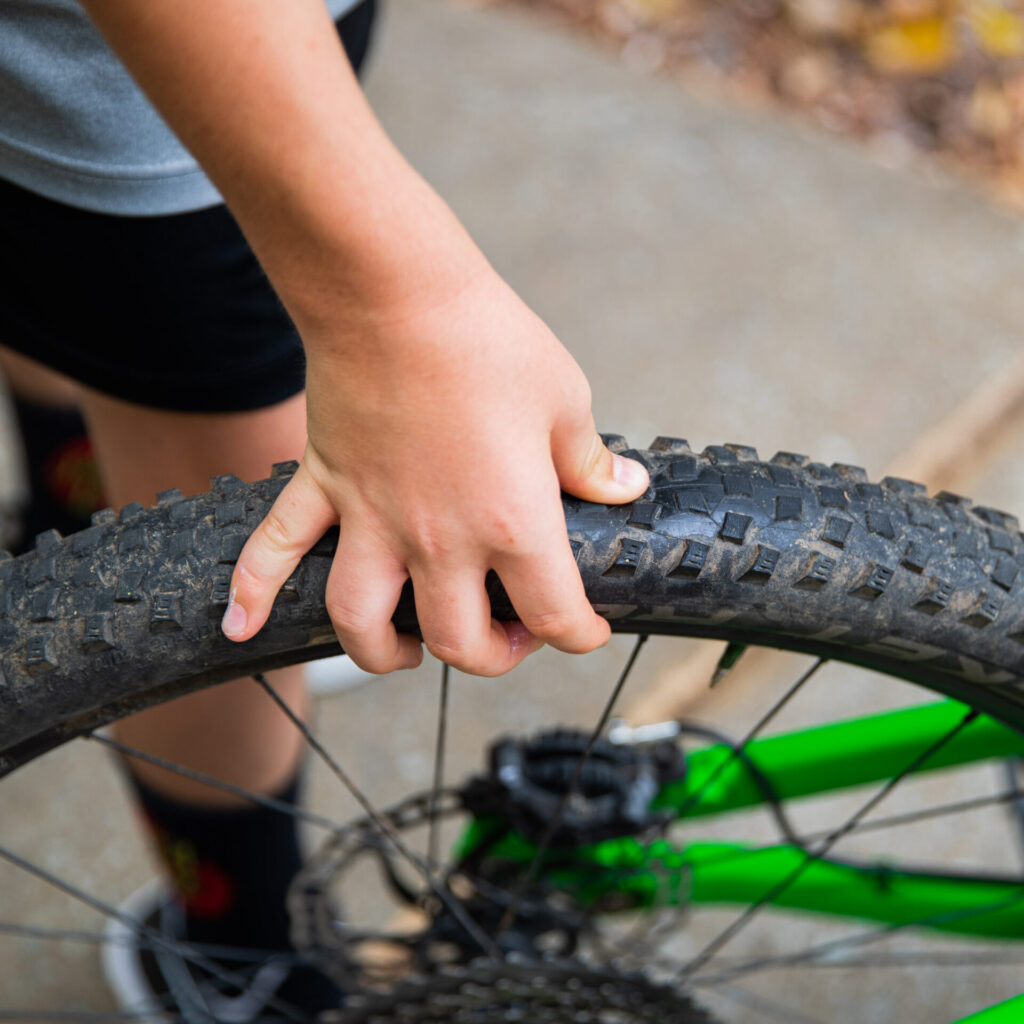
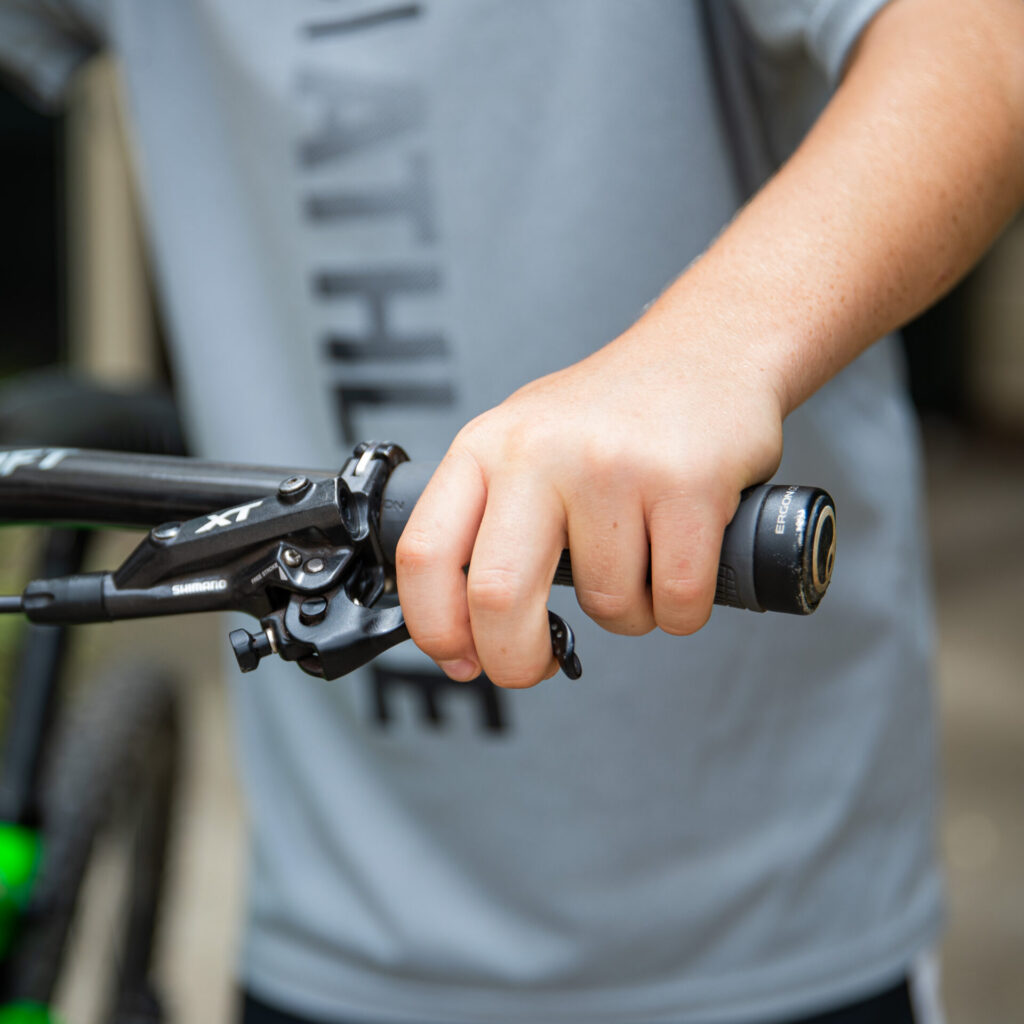
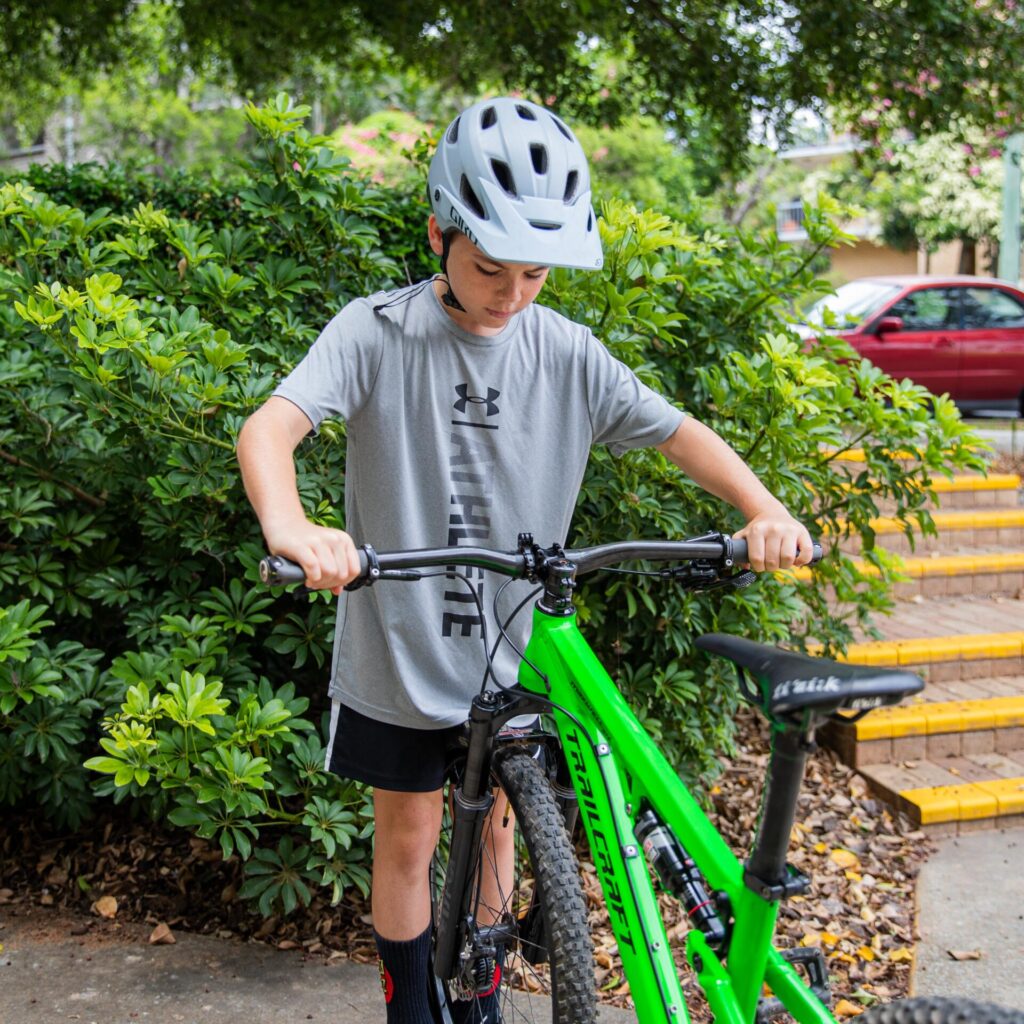
If your kids are about to roll to school – don’t forget to give their bike a safety check. From having air in the tyres, to brakes that work (and brake levers they can reach), a bell and nothing loose or rattling – it all makes a difference to having a bike that is safe, and fun to ride. 

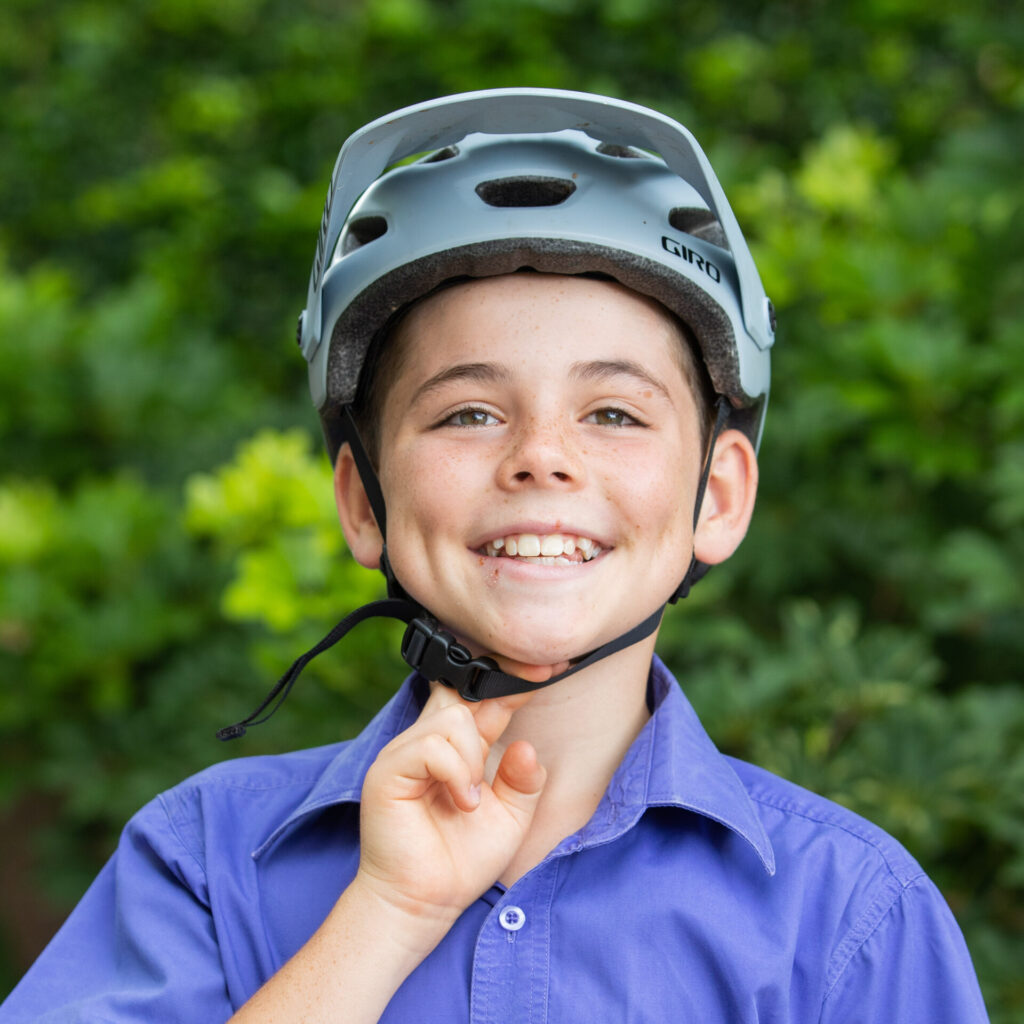
Complete a helmet fit and safety check 

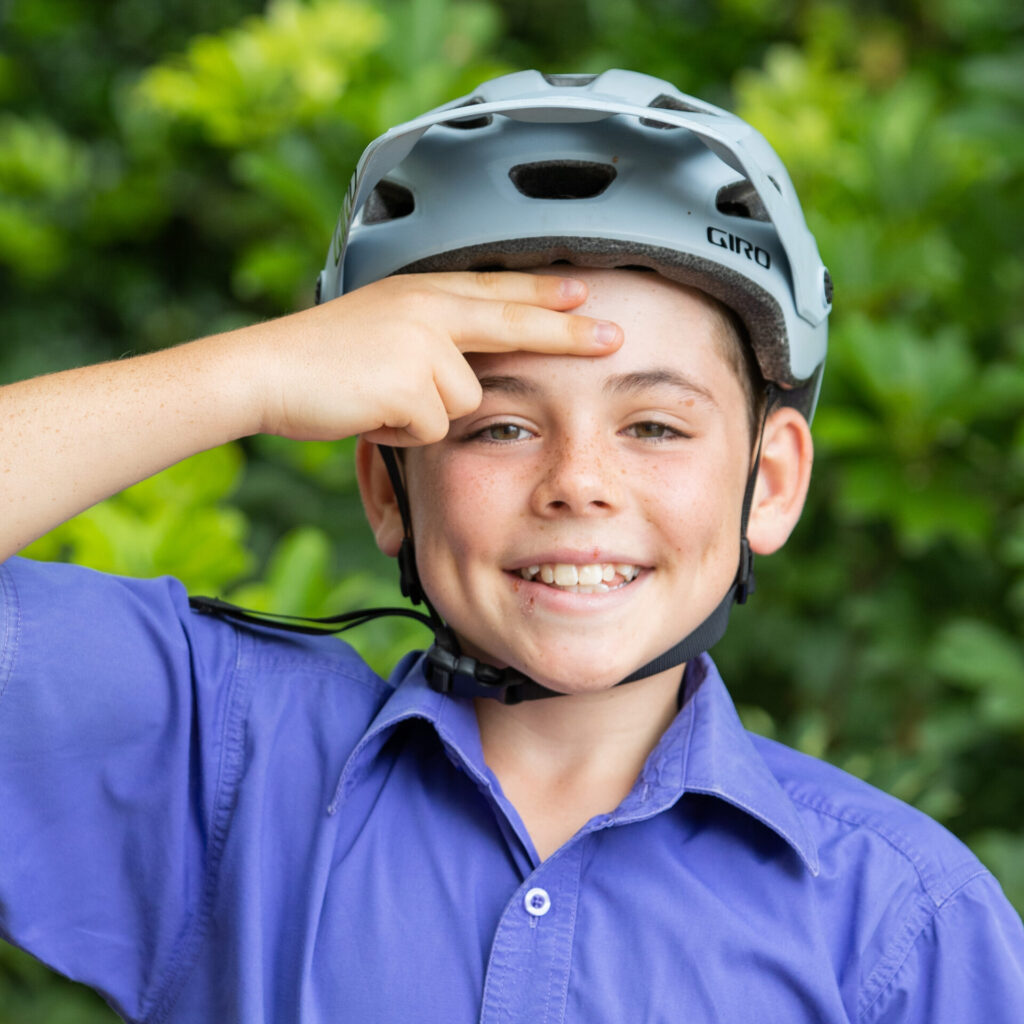
Bike helmets make a big difference to rider safety. Make sure they are in good condition and fitted correctly. It is easy to run a safety check on the helmet itself – make sure there are no visible cracks or colour degradation. Any straps should be complete without small cuts or fraying. A light squeeze on the helmet may reveal a small crack opening up – if so the helmet is ready for the bin! 

At BQ we recommend replacing most bike helmets within 3 years if used regularly, given the incidental knocks and damage, and UV degradation. Best practice is to visit your local bike shop to have a helmet fitted, to make sure the size and fit is correct. Do not buy a helmet to grow into! 

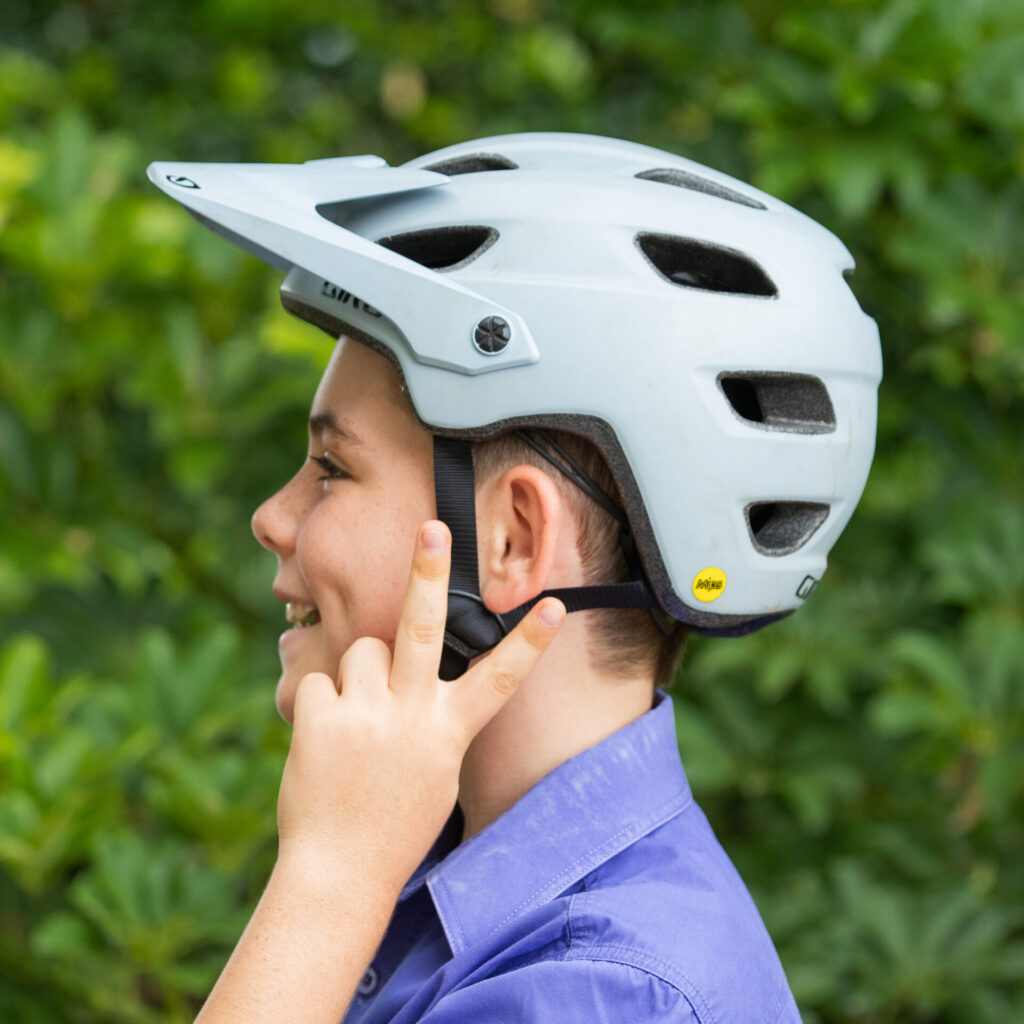
When it comes to fitting, please focus on the following: 

Position – sitting in the middle of the forehead 
Buckles – Centre the main buckle under the chin by adjusting the straps 
Side Straps – These should sit like a neat ‘Y’ shape about 1cm below the ear. This precents fore-aft movement. 
Chin Strap – This should be tight enough that when screaming in ecstasy at the joy of bike riding, light pressure is felt on top of the head. 

Buying a new bike 

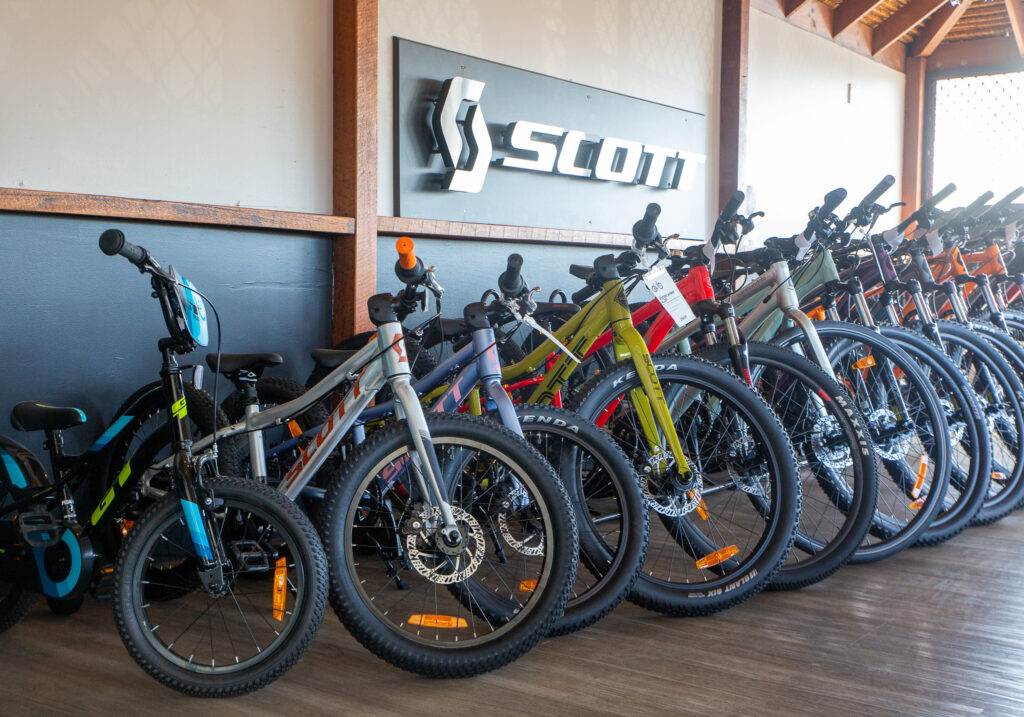
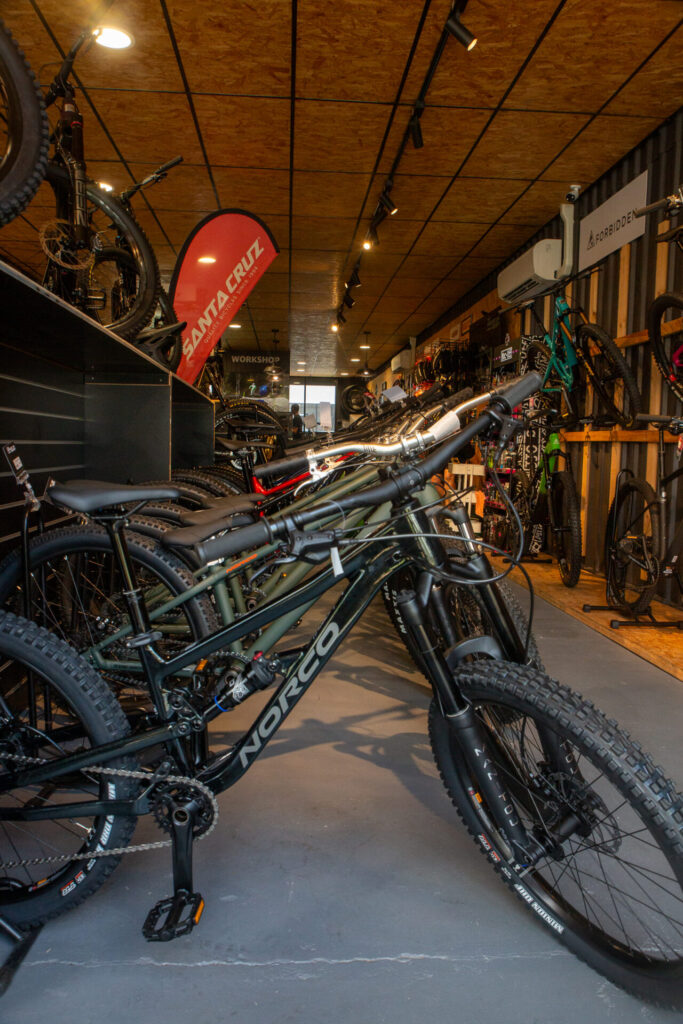
Here at Bicycle Queensland we love “new bike day”. If your kids are due a new bike it pays to get proper advice from a good bike shop. Bicycle Queensland has a range of partner stores, listed on our website

When looking at a new bike, fit and function need to lead the decision making, with a nod to good looks. Everyone still needs to like their new bike! 

Take advice from your trusted store on bike sizing and bike type. Be honest about how the bike will be used, to help get the right type. While it’s ok to leave some room to grow on a bike for your child, if it’s too big they won’t gain the confidence to ride much – and the bike may remain unridden. 

Just about any bike will have adjustable brake levers – check that your child can reach the levers and compress them easily. We have some further notes on bike sizing on our website. If you’re not sure, trust the advice from a reliable bike shop.

The most important thing is to buy a suitable bike. If you’re looking at an e-bike for your older teenager, ensure it meets Australian standards. Ask the retailer to see the EN15194 code on the bike. The Australian government has only just legislated that e-bikes must meet that standard again to be allowed in the country. If an e-bike doesn’t carry that standard, it is unlikely to be safe or legal for use beyond your own property. There are more details about e-bike standards and rules on our website.

Route selection 

When it’s time to plan a route for your kids to take to school, or to ride with them – route selection is everything. It is highly unlikely that the best way to ride to school is the same as the route you would drive. Most of the time, you need to find the trade off between the safest, flattest and shortest routes when cycling – and in the case of school travel we’d prioritise safety.  

Google Maps can get you started, just select cycling as the mode of travel. It will use bikeways where they exist. Open Street Maps is also handy, as you can lay a filter over the map they will show all bike routes – or public transport. If you’re a keen rider you could even use your Strava account for suggested routes via heatmaps – although a popular route with Strava users may not necessarily be best fit for your child’s school commute. 
 
Do a trial run on a weekend to fact check the route works, without the time pressure around school drop off. 

Secure at school 

If your child will be locking their bike up at school, there are a few simple things for them to remember at school for safety and security. 

  • Walk your bike into the bike storage area 
  • Remove all accessories from your bike, like lights and water bottles 
  • Lock your bike through the frame to the bike rack 
What BQ is doing to assist active school travel 

Queensland has a climbing road toll, including for cycling deaths. Infrastructure and education need to change. We want zero road deaths. Helsinki achieved this last year, so we know it’s possible. Helsinki has 11 times the number of cycle trips per capita than any Queensland city, helped by 30km/h speeds in school neighbourhoods and safer road crossings. This is why BQ advocates for lower default street speeds (40km/h is not very safe!) and safer cycling infrastructure. 

BQ is also advocating for a regulatory change to allow schools to do temporary street closures in morning and afternoon peaks, as they do in Europe, Japan and Korea. These ‘School Streets’ create safe spaces near schools and encourage walking and cycling to school.  

“School Streets are extremely popular with schools and local communities abroad, offering a much safer and more social space at the school gate.” said BQ CEO Professor Matthew Burke. “They replace outdated car-based school drop-off arrangements that prioritise car travel into or through the school itself, which just concentrate road danger tightly into the school environment.”   

By reducing school traffic there will be time savings on the road for others, but the critical change is building healthier children and young people, a safer road environment and a more connected community. 

You can support Bicycle Queensland’s advocacy work by becoming a member, or referring a friend

How to build a rail trail

The charm of a rail trail is hard to ignore – gentle gradients that cut a line through the landscape, making hills flater and valleys less deep. They pass through towns with pleasing frequency and often take you through picturesque countryside. And of course – they’re free from motorised traffic. Rail trails can vary around Queensland, changing from sealed pathways that connect schools and suburbs through to rough and ready adventure trails in Queensland’s rural heartland.

But with so many disused rail corridors making a spider web across the state of Queensland – how exactly do you turn a line on a map into a white hot line on a Strava heat map?

In 2024, Bicycle Queensland partnered with Somerset Regional Council for the Rail Trails and Tourism Conference. Hosted at the Somerset Civic Centre in Esk, the two-day conference heard from experts in tourism, marketing, advocacy and economics about the impact that a successful rail trail can have for a region. And then we worked on developing some basic guidelines around what is required to get a rail trail beyond just a good idea, and into a functioning piece of riding infrastructure.

DOWNLOAD: Rail Trail Toolkit Quickstart Guide
DOWNLOAD: Complete Rail Trail Toolkit

Develop a vision for your rail trail

This is an essential step. You need to know what the rail trail is going to do. Will it serve as a useful transport link between communities? Is it a tourism initiative to attract day trip visitors from a 2 hour radius? Is it a multi-day experience to draw visitation from around the state or the country? An idea needs to move to a feasability study and then a master plan – while also assessing any project funding that may be available.

Secure access to a rail corridor

A rail line that is no longer in use is not necessarily a rail trail in the making. The line needs to be decommissioned by Queensland Rail, along with having infrstructure removed. There is extensive stakeholder engagement required at this stage, including determining a suitable model for managing a rail trail, and understanding what the risk looks like, and the potential reward.

All about feasability studies for a rail trail

A feasibility study can determine whether a rail trail project is viable by assessing scope, costs, and potential staging for construction. It provides evidence to support grant applications and ensures informed decision-making. If there’s strong community support for the rail trail, and conversations with landowners and government are underway, a feasibility study might be a useful next step – but can be expensive.

Rail trail planning, design and construction

There is a lot to consider here. What are the biosecurity factors? Hreitage or cultural concerns? What about hazards with existing infrastructure? And how do you plan to maintain what gets built – and what level of surface treatment will suit your budget?

Understanding political engagement and staged construction

Rail trail projects require strong political engagement and a phased approach to development to overcome challenges and secure sustained funding. While their benefits to tourism, recreation, and local economies are well-documented, their success often depends on effective advocacy, securing government support, and maintaining momentum through incremental progress.

Rail trail models of operation

Selecting the optimal model of operation for a rail trail is a complex decision that must balance sustainability, financial viability, community engagement, and quality of experience. Publicly managed trails ensure accountability, while private or hybrid models can introduce efficiency and innovation.

Marketing and events for rail trails

Marketing and events play a crucial role in the success of a rail trail, shaping its identity, attracting users, and fostering community engagement. A well-designed marketing strategy ensures that the trail is positioned effectively to reach key target audiences, while events serve as a means of generating interest, encouraging participation, and providing economic benefits to surrounding communities.

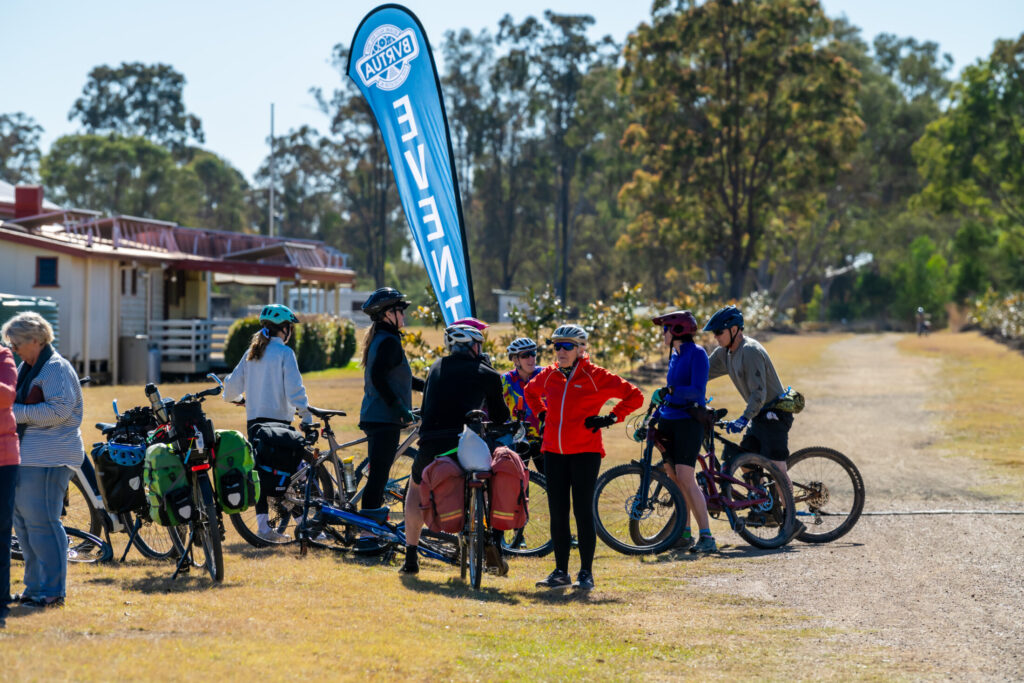
Photo from the 2024 BVRT Festival held by the BVRTUA. Photo by Element Photo and Video Productions.
Bringing a rail trail to life

When planned and implemented effectively, rail trails become far more than just recreational pathways. They serve as economic drivers, attracting tourism and supporting local businesses, while also fostering social connection and healthier, more active lifestyles. They provide safe and accessible spaces for walking, running, bike riding, horse riding, and community events, helping to build a culture of outdoor activity. Their environmental benefits are equally significant, repurposing disused rail corridors into green transport corridors that promote sustainable travel and habitat conservation.

For communities and organisations looking to develop a rail trail, the next steps will depend on where you are in the process. Some groups may be at the early stages, building advocacy and community support, while others may be working through feasibility studies or securing access to a corridor. Others still may be focused on activating an existing trail through events and tourism initiatives. Wherever you are in this journey, Bicycle Queensland is here to support you.

Here at BQ, our team has extensive experience in rail trail advocacy, funding applications, operational planning, and event activation. We can provide guidance on overcoming challenges, building political and community support, and ensuring that your rail trail reaches its full potential. Whether you need strategic advice, practical resources, or connections with industry experts, we are ready to help.

Download our complete Rail Trail Toolkit

Illustrations & Design by indidust.com

BQ Link: Meet Lug+Carrie

If you pass through any larger CBD in Queensland, there is a good chance you will see a different range of bikes compared to a decade ago. And it’s not just gravel bikes and road disc bikes at cafes. The rise and rise of e-cargo bikes has arrived in Australia, with notable growth in the last few years. It would be fair to say that Lug+Carrie have been part of that change.

Starting in Melbourne, the business has operated as a subscription service for Tern e-bikes since 2020. Launched by Ben and Dan Carr, the brothers developed the business idea given the need for more urban mobility. If Australians to see a bike as transport, and not just for sport, there was potential for a real shift in transport modes. E-cargo bikes were the perfect fit, but given their high cost to purchase, creating a subscription model would allow people to see if getting around by bike suited them, without a capital investment. Since then, Lug+Carrie expanded to Sydney and opened a store in Brisbane in late 2022.

‘Brisbane has responded really well to e-bike subscriptions,’ said Harriet Muir from Lug+Carrie, when asked about the Queensland response. ‘There are options around to lease e-bikes, but with Lug+Carrie people can commit to as little as 4 weeks – it is a very low risk and low cost way to see if an e-cargo bike suits you.’

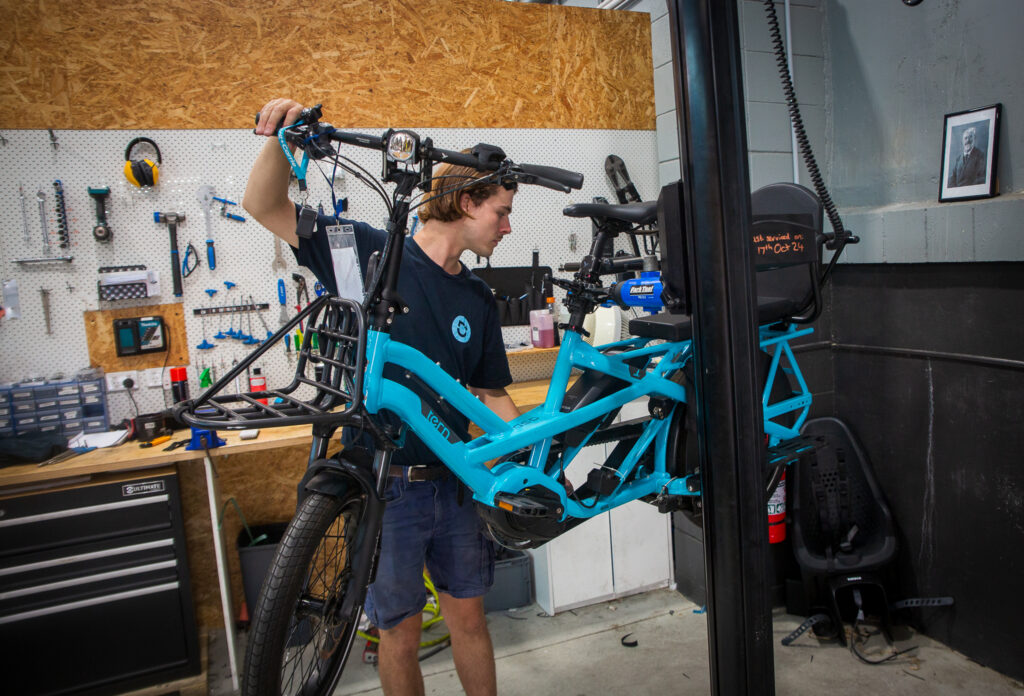
The subscription model works within a service zone that covers about a 20km radius from Brisbane, which means subscribers not only get a quality e-cargo bike at a weekly rate, but that includes servicing at home and even rider rescue as well. It really takes out a lot of concern about maintenance and flat tyres for people thinking about getting on an e-bike – as well as getting rid of the upfront cost.

However, Lug+Carrie often find riders do want to buy a bike, as they end up convinced. While buying out subscription bikes has been possible, all three stores now sell e-bikes – and a greater range as well.

‘Our subscription offered 3 different e-bikes from Tern,’ Harriet explained, ‘this really helped to offer such a high level of service for subscribers. But with the popularity of e-cargo bikes, we can offer more bikes with direct sales, from both Tern and Riese and Muller.’

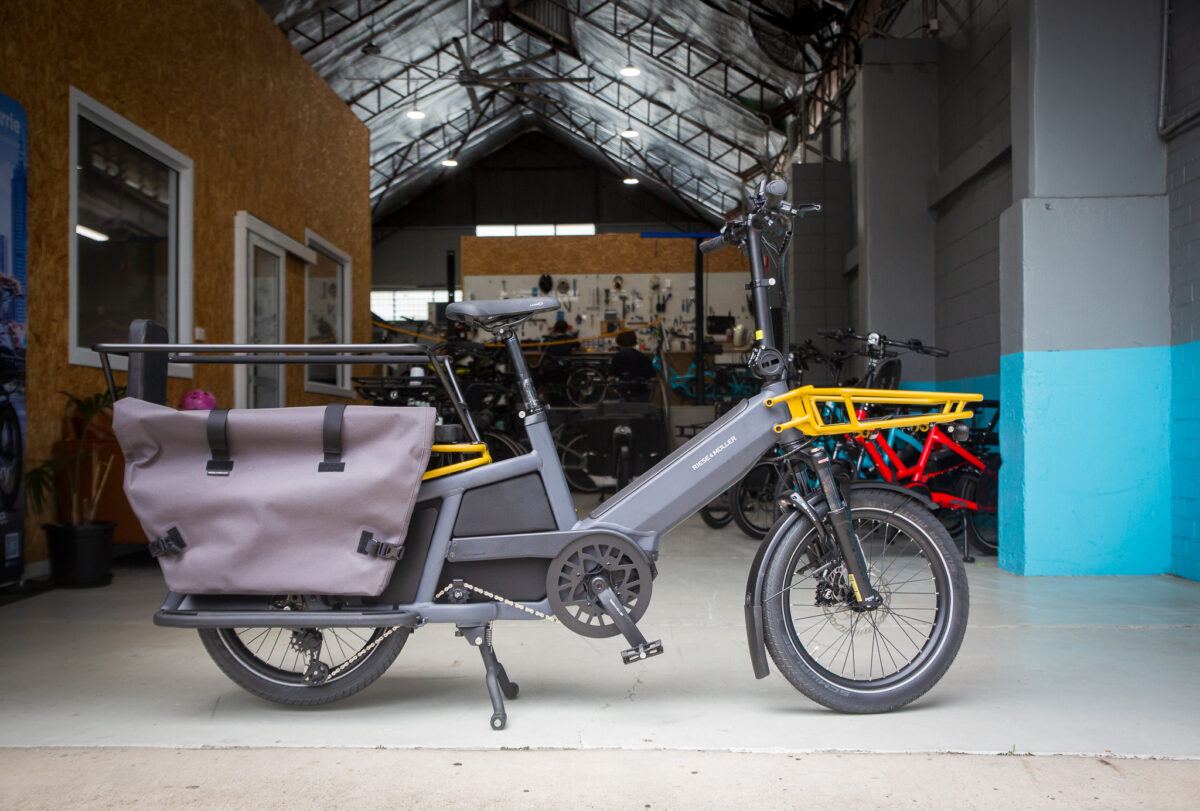
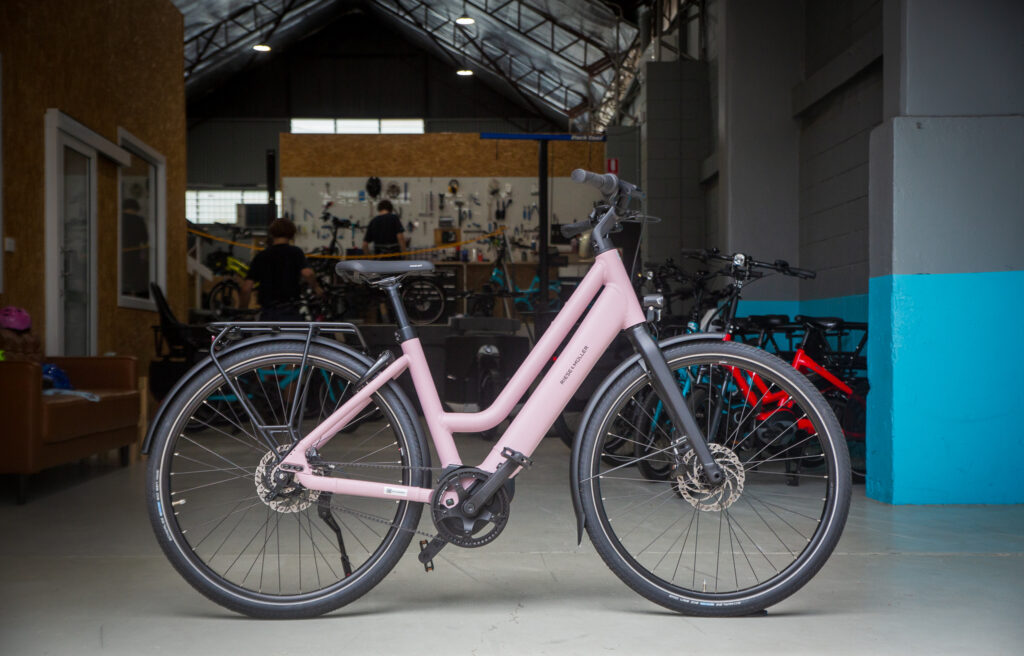
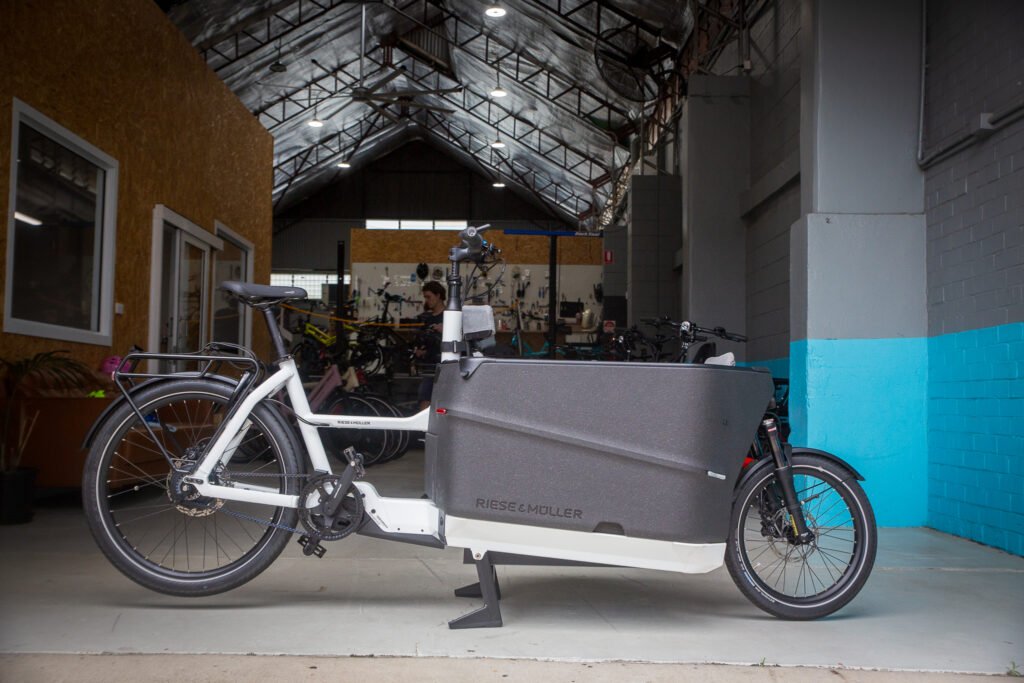
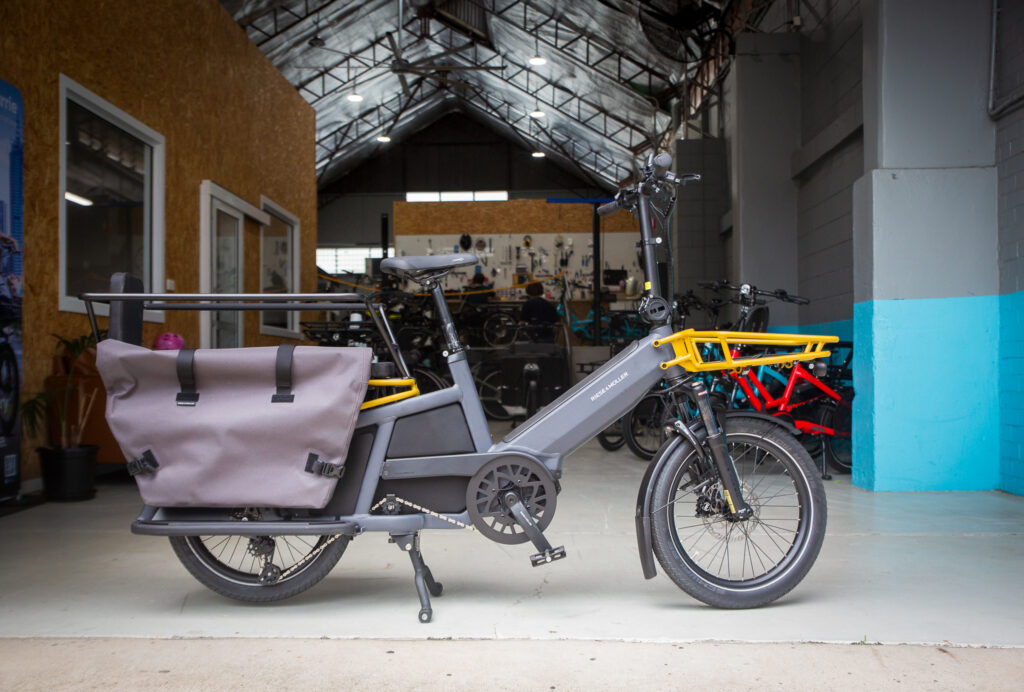
This means Lug+Carrie will now sell the Tern Vectron folding e-bike, the Tern Orox off-road adventure e-bike and the compact Tern NBD. The Riese and Muller range will have front loader e-cargo bikes and will also use the well-regarded Bosch e-bike systems.

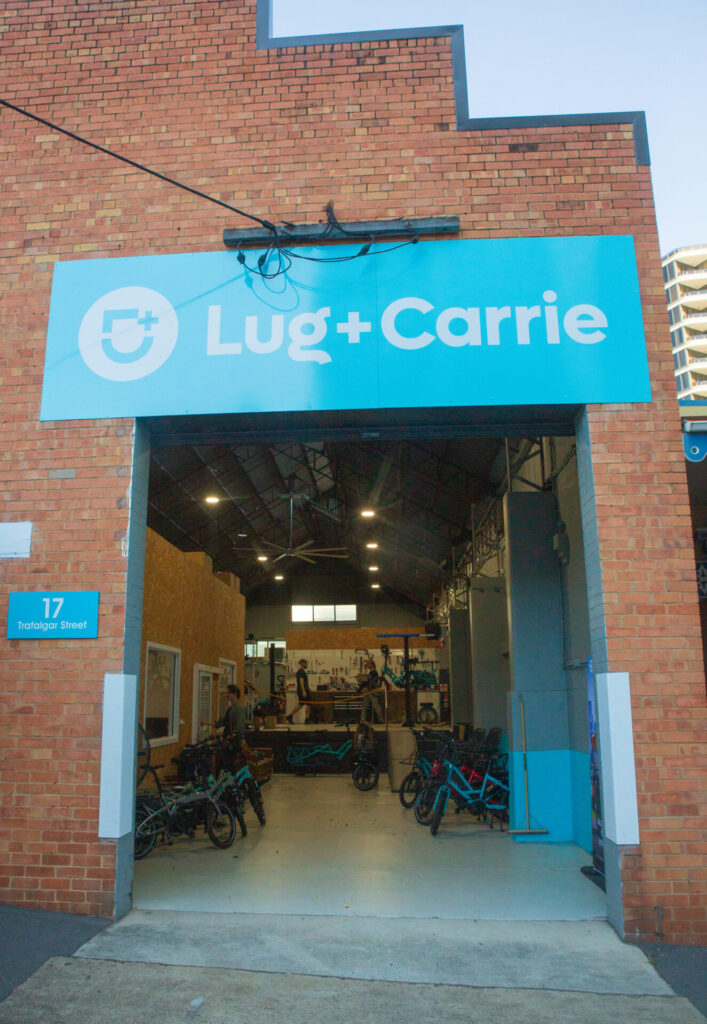
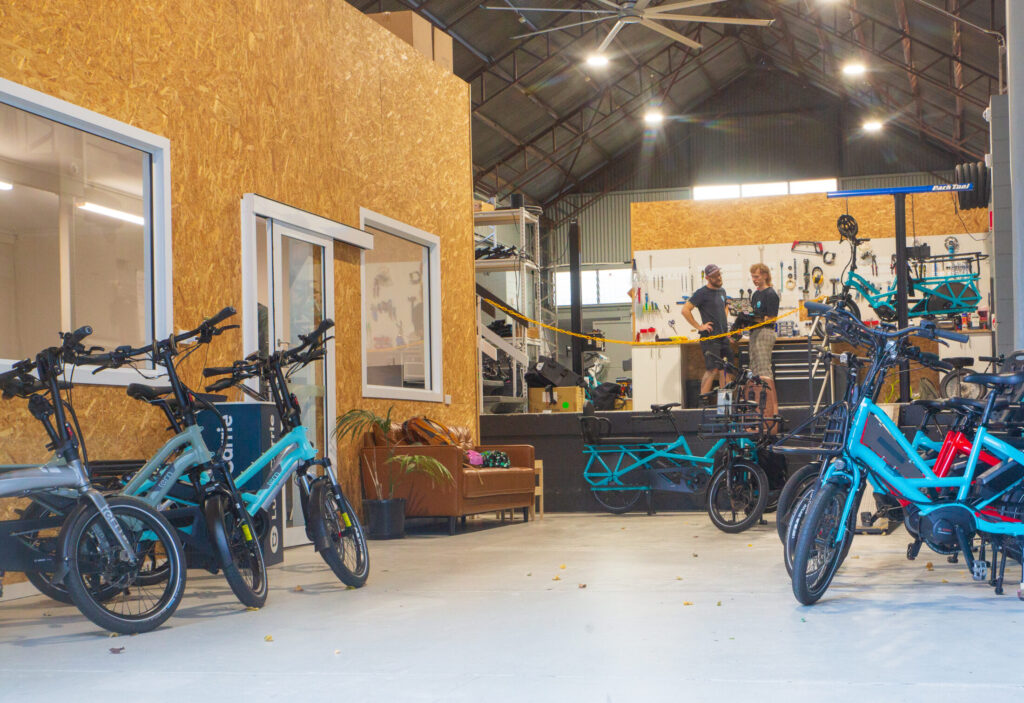
If you have dropped in to visit the Lug+Carrie store in Woollongabba, you will have realised it doesn’t feel like a regular bike shop. You can ride right in, there’s room to park your bike, a big workshop, a lounge and some kids toys. While holding more bikes to sell needs a bit of a refit, Harriet explains that the culture won’t change.

‘Our shops will still feel like a place to come if you want to ride. We’ll be focussed on building a community and providing the service and support that our subscribers have come to know and love.’

So much of that support will remain with their move to more sales, with a personal handover of new e-bikes to go through all the capabilities, plus the option to purchase service packages, like those included in a subscription. That will include at home servicing, rider rescue, and even the Tern accessory subscriptions.

Subscribing to accessories makes a lot of sense for an e-bike purchase, given how the use of an e-cargo bike can change. Lug+Carrie offer the opportunity to swap out their Tern accessories within the subscriptions. You might opt out of panniers and fit a front rack, or remove a child’s seat for the Captain’s Chair, for example. It really saves purchasing the item and then storing it when you no longer need it, waiting to find time to pop it on Facebook Marketplace.

READ: Making the shift to an e-cargo bike

‘I got a Storm Shield for my kid when I got my e-bike,’ said Harriet. ‘But what if they hated it? I’d be stuck with the accessory. In the end they loved it and call it their bike cubby. For parents the accessory subscription really helps, as it means you don’t need to invest without knowing if it will work out or not.’

Here at Bicycle Queensland we’ve really noticed the increase in e-cargo bikes around greater Brisbane, and we are proud to have partnered with Lug+Carrie with offers for members on both subscriptions or e-bike purchases.

‘We are more than a bike shop, we are passionate about urban mobility,’ said Harriet. ‘All the advocacy that Bicycle Queensland does is so important. There is lots to do but we are really optimistic about the future.’


Bicycle Queensland members will receive a 50% discount on a 2-month e-bike subscription from Lug+Carrie. Login to the BQ Portal for details. If you’re looking for a new e-bike, Bicycle Queensland members will receive 10% off e-bikes from Lug+Carrie.

Surviving the summer bicycle commute in Queensland

By Bethany Keats

As the weather heats up, it can be tempting to put the bike in the shed until the humidity subsides. Before you reach for the car keys, here are some tips to keep you on your bike during the summer months.   

Summer wardrobe

There is no other way to say it: you will sweat! In winter you may have got away with wearing the same clothes for the return trip, but the summer sweat factor is next level. Choose moisture-wicking clothes that will help keep you cool and take a clean set for the ride home. You will feel more comfortable in fresh clothes, even if you’re about to get sweaty again.

BQ Tests: Ground Effect Flare and Solaris sunshirts

When it’s time for the wash, make sure to add a cup of white vinegar to the machine to help remove the smell. If that’s not enough, soak them overnight in a full sink with a cup of vinegar before putting them in the machine. And if you wear a backpack, remember to wash that too!

The Ground Effect Flare and Solaris offer UPF50 protection.

Rearrange your day (if you can)

If possible, rearrange your working hours so you’re riding when the sun is low. You don’t need to ride in the dark (unless you want to), but riding when the sun is lower in the sky takes the edge off its sting. If you’re unable to change your hours, consider other ways to avoid the overhead sun. Are there leafier streets you can take? Are there routes where you can take advantage of a breeze?

Remember: Don’t overexert yourself in the heat! Keep your fluids and electrolytes up.

If you can commute in cooler hours – do it!

Have a contingency plan

Maintaining your bicycle commute during summer doesn’t mean riding in conditions that are unsafe or genuinely horrible. Have a think about what those conditions are for you and pick a way to measure them. It may be if the temperature hits a specific number by a certain time in the morning, or the rain is so heavy you can’t see a key landmark. Then, work from home or seek alternative transport. You’ll also need a plan for hometime.

Hidden hazards

Rain and storms can mean seasonal creeks, puddles, and other hazards. Before the rainy season kicks in, assess your route for areas that could become unsafe or difficult to navigate if they’re partially under water or susceptible to falling branches. Even small puddles can obscure washed out sections of the path that could result in pinch flats. Ride these sections carefully and walk your bike if necessary.

If your route includes areas that are prone to water hazards or debris after a storm, consider making it a rule to not ride 24 hours after bad weather (see above). Overall, remember to be kind to yourself. Ride to the conditions and take it slow, if necessary. With a little bit of planning, any season is a great season to ride to work!

BQ Tip: You can use Snap Send Solve to report issues on your route.

Why joining Bicycle Queensland made sense

Bicycle Queensland enjoys an ever-evolving membership base. While some of you may have been members for well over a decade, each week we have new members sign up. Sometimes they are referrals via our BQ Link retail members, and sometimes word of mouth referrals from existing members. And for some riders, membership becomes attractive as their riding habits change. Hayden (30) and Ashley live in Brisbane’s western suburbs and recently signed up to a household of three or more membership. 

‘Ash and I first met through cycling, and as such it has been the cornerstone of our relationship and lives over the past 5 years,’ Hayden explained. ‘Whether that be commuting, competing or social rides on the weekend you can just about guarantee that we were doing something bike related every day.’  

Times change, but habits don’t So when Hayden and Ashley were expecting twins, it wasn’t long before the family was mobile on two wheels again as the twins were able to sit in a bike seat. 

‘With the recent arrival of our twin daughters, things look a little different these days – although we’ve managed to still find a way to keep our home life cycling-centric. After becoming interested in trying a cargo bike for family outings, day care drop offs and runs to the shops we became aware of the partnership between Lug & Carrie and BQ. The discount available on a cargo bike lease to BQ members was fantastic, and made the decision to sign up for a family plan a no brainer. The member insurance and advocacy work that BQ provides is also a huge benefit of the membership, and something we’re proud to support.’  

Being a member of Bicycle Queensland assists us with the advocacy work we do. When we represent more people, we have a bigger impact when working with local and state governments. However, advocacy is just one part of what we do, we also work hard to make sure there are some excellent membership benefits for our members. One of the leading benefits is our public liability insurance, accident insurance and free legal advice. 

‘Ash and I are both former AusCycling members, however we have let that (and the associated insurance) lapse as we are both taking a break from competitive cycling. The provisision of insurance coverage outside of expenses covered by Medicare and our private health provider is great peace of mind and to us, and one of the primary benefits of a BQ membership. Further to this, the income protection is a huge plus and something we were not aware of prior to signing up. Having the confidence that the household bills will still be covered should one of us need to take time off due to a cycling related incident is fantastic, and in our opinion something any cyclist should seriously consider.’ 

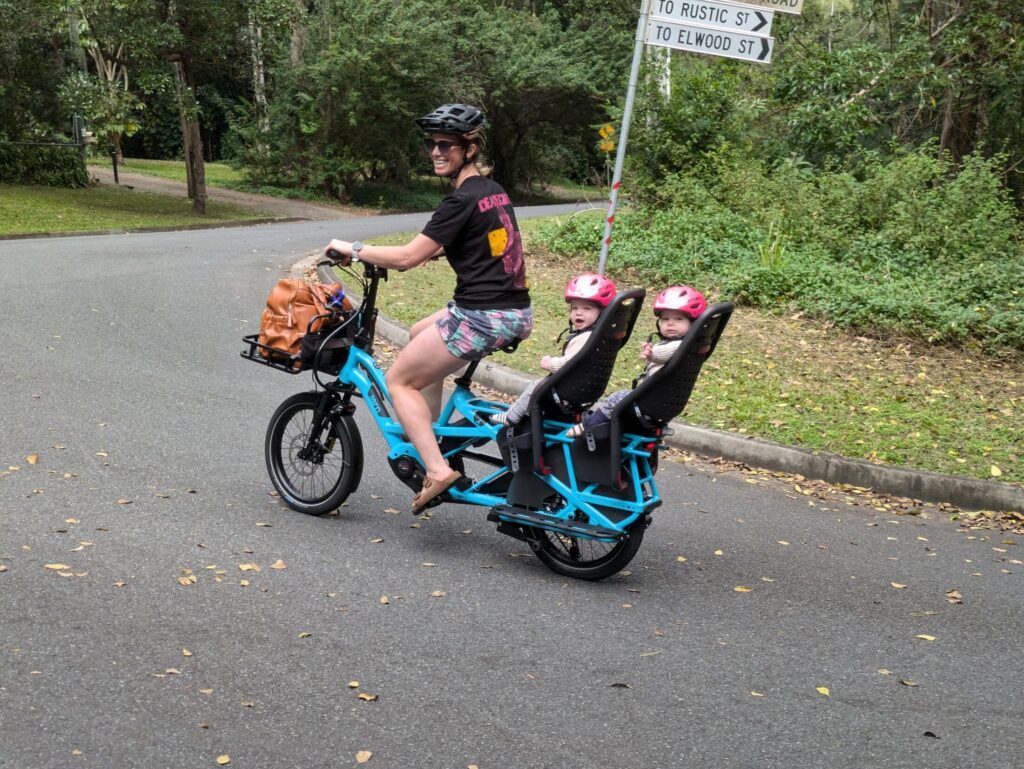
Of course, all bike riders like bikes and bike parts, and BQ’s member benefits reach beyond insurance, including cycling clothing, tours, nutrition, eyewear, lights, locks and more. Hayden and Ashley recently signed up to the Lug+Carrie e-bike subscription service, with a Tern GSD now proudly parked in their garage. With two child’s seats mounted on the back, it has proven to be the perfect addition to their bike fleet. 

Day care drop off used to be quite the chore, but thanks to the GSD it’s now a blast! Our daughters love the bike, and we find it a much more enjoyable way to start and end their day with comparison to loading up in the back of the car. We’ve now also found it much faster and easier to pop down to the grocery store, as we can just throw the girls in on the back of the bike and our shopping on the front mounted rack. Trips in the car are now few and far between, and it has us considering selling one of them and moving to being a 1 car household.’  

When you consider the cost to benefit ratio of the BQ Family membership, it’s hard to see a reason why someone in our shoes wouldn’t sign up. Between the retail benefits, advocacy and insurance coverage we see fantastic value in being a BQ household.’  

Want to know more about Bicycle Queensland membership? Head to our website.

Try the e-cargo bike revolution with Lug+Carrie

You would be hard pressed to miss the increase in e-cargo bikes on the streets in many Australian capitals – and Queensland is no different to other states. Early mornings and afternoons see bike paths and back roads become essential links as parents tote one, two or even three kids to and from daycare or school drop offs.

The longer wheelbases and higher cargo carrying capacity of an electric cargo bike isn’t just handy for navigating the school run. You can do a full shop, carry your partner to Friday drinks, or even load up with tools to head to a friend’s house, to rescue them from their DIY project.

While electric cargo bikes have been available for a while, their recent explosion has been assisted by more manufacturers developing their own e-cargo line, and some stores specialising in e-bikes, like Electric Bikes Brisbane or Lug+Carrie. What has made a really big difference is the hire, or subscription service that Lug+Carrie also offer for the Brisbane area, alongside Melbourne and Sydney.

Via Lug+Carrie, you can rent your e-bike, or e-cargo bike, on a month-by-month basis, And as long as you’re in their 20km operational zone, this includes on-site servicing, free delivery and pick up at the start and finish of your subscription, and free delivery and pick up if your bike needs to go into their workshop for repair or parts. This covers from Wynnum to Camp Mountain, or Brendale to Calamvale.

Lug+Carrie stock a variety of Tern bicycles, including the popular GSD, which can be equipped with two seats on the back, along with a rack on the front. In-fact, many of the bikes have a range of accessories that Lug+Carrie supply, and you can swap them out as your needs change. As well as offering the monthly subscription, Lug+Carrie have lease to buy options as well as both new and refurbished e-bikes for sale. You can check them all out and test ride them in their Woolloongabba store. 

On a recent Lug+Carrie Community Ride, we caught up with Sophie – who has been a Lug+Carrie subscriber for two years with her blue Tern GSD.

‘I already had an e-cargo bike that I had bought, but it just wasn’t as functional and kept falling apart. I wanted something that could be a bit more reliable.’

Sophie visited Lug+Carrie in Woolloongabba, near where she lives, to look at at Tern models they had – she ended up their 15th customer, right as their Brisbane store opened. ‘Their targeted demographics Instagram ads got me: women with kids, who hate their car!’

‘Since then, I have been doing school drop offs then into the city for work – and then back again.’

There are e-cargo bikes on the market from as low as around $3000, but for a quality model like the Tern GSD Sophie has, with the accessories and 200kg load limit, could run over $9000 – which can be off-putting for someone trying to see if an e-cargo bike is for them. And that’s why Lug+Carrie’s subscription model is such a great fit, and it worked for Sophie.

‘The subscription is a more affordable way to get an amazing bike. I wouldn’t have been able to buy it outright and I wasn’t sure if I would love it. But within two weeks I knew “this is me for life,” and I love it.’

While we all often focus on the bike – for Sophie the real benefit has come from being able to customise the accessories in her subscription as her needs change – or as her daughter grows.

‘I had the Storm Shield when my daughter was younger, and as she got a bit older I switched it out to the Captain’s Chair. I called Lug+Carrie, went in and they swapped it over and re-priced it. It was even a little bit cheaper. It also means I can fit adults on the back now too.’

Just like leasing the bike reduces the upfront cost, given these accessories cost around $5 a week to hire, it’s far less than the several hundred they cost to buy outright.

Perhaps one of the best changes that Sophie told us about was her changed perceptions of what she can use her e-cargo bike for. She already uses it every day to get around, do the shopping, get to work and to get her daughter to and from school – but that’s not the limit.

‘I do partake in the e-cargo bike Olympics, for what I can fit on it. I haven’t taken it to Bunnings yet, but I am keen… I have taken a very large plant on it and I do all my grocery shopping on it as well.’

We often hear that riders getting around on an e-cargo bike, in regular clothes doing regular things, can change the perception of bike riders on the road and on paths. And Sophie has said she is often asked about her bike, with men, women and families stopping to ask her where she got it from.

With a powerful Bosch e-bike system, the Tern e-cargo bikes make light work of hauling kids, groceries, love interests – or large pot plants.

‘You don’t have to be a really good cyclist. I had cycled before but I hadn’t for a while. I found the Tern GSD far more comfortable and I feel way more secure. The last bike I had was too high . This is really nice as a step through and being so low. A lot of friends have said they aren’t a good enough cyclist to try one, but you really need to have a go – you’ll love it.

The subscription service means assistance with any issues like flat tyres, worn brakes or gear shifting issues. The Tern bikes are deisgned for use day in, day out, with robust tyres and equipment. But things break – which is why the on-road assistance exists, which Sophie has experienced.

‘Once we were pulling out of school and rode over some glass – so we got a flat. But Al came out and fixed it, it was great! He was there in 5 minutes.’ While this lead time may be longer depending where you are in the Operational Zone, it is part of the service that Lug+Carrie offer – and it removes a lot of perceived issues for some would-be riders.

Sophie was so enthusiastic about her time leasing the Tern GSD from Lug+Carrie – and she is currently contemplating buying out the bike she has been using. And she encourages everyone to try an e-cargo bike for themselves.

‘Just try it for a couple of weeks, you’ll notice the difference. I had to work somewhere that was about 50km away and needed to take a month off from cycling. I was noticeably depressed but when I went back to cycling again I was happy again. So give it a go.’

If you want to know more about Lug+Carrie, visit their website or call them on 1300 766 552. Bicycle Queensland members save 50% on an 8-week subscription through Lug+Carrie. Don’t forget to call your local bikeshop about e-cargo bikes as well – you can find Bicycle Queensland’s partner stores on our Store Finder.

Find out more about Bicycle Queensland membership: insurance, advocacy and member discounts