BQ Tests: Ground Effect Splashdowns Rain Pants

By Mike Blewitt

Ask most cyclists about wet weather gear and they’ll immediately start talking about jackets. Waterproof trousers rarely get the same attention, yet anyone who has spent hours riding through cold rain or standing water knows they can make just as much difference to comfort and enjoyment.

Ground Effect’s Splashdowns are a set of rain pants built around exactly that idea. Designed in New Zealand by a company that understands what persistent wet weather feels like, they aim to provide full lower-body protection for riders who need to keep moving regardless of conditions.

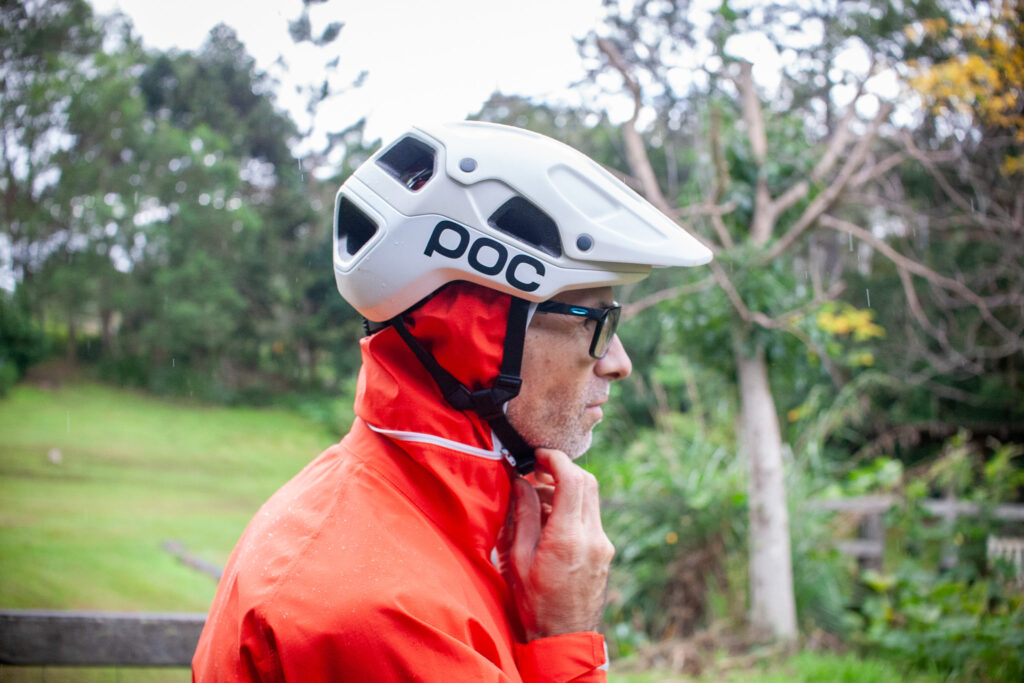
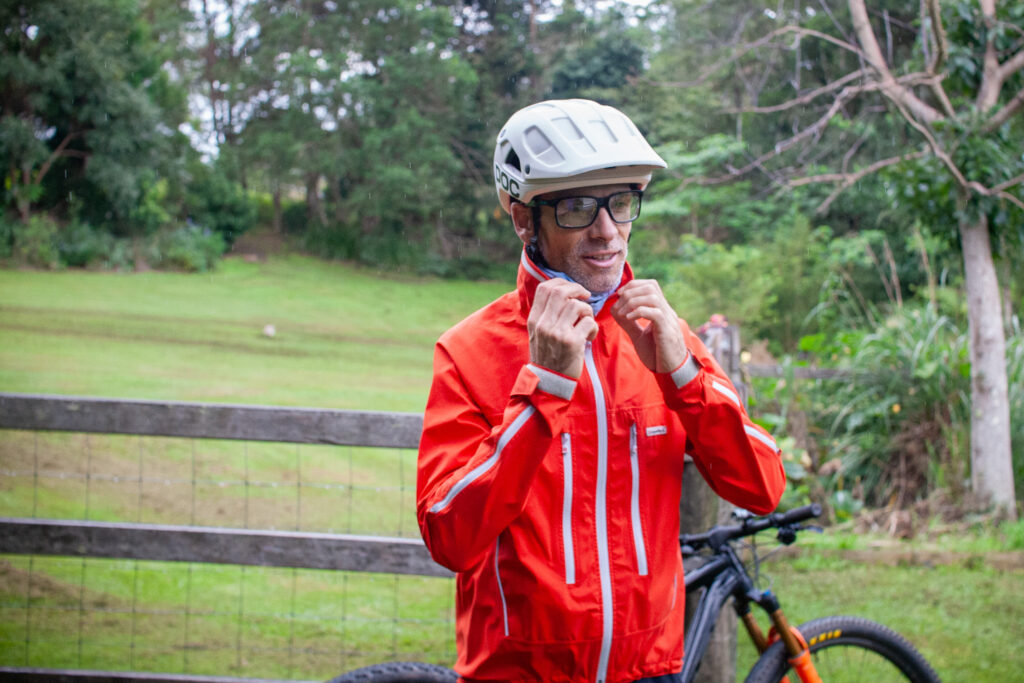
Like the Anti-Cyclone jacket, the Splashdowns use Ground Effect’s new HydroFoil Endure fabric. The PFAS-free material is waterproof, breathable and designed to maintain performance without requiring regular waterproofing treatments. This is done by using a material where each fibre is coated in silicone, so an external treatment isn’t required. The material delivers an impressive 20k hydrostatic head, and 18k permeability rating. If you’re not well-versed in waterproofing and breathability – these are good numbers. If you want to know more – there’s a great piece here to read.
As with the rest of the Ground Effect range, men’s and women’s options are available (Ground Effect Monsoons for women), the products are sold directly online to keep costs down, and the company continues to support grassroots cycling through its Slush Fund initiative. Ground Effect gear is made right in New Zealand and Bicycle Queensland members can also claim a free pair of merino socks with their order using the code available through the member portal.

Built for riding

The Splashdowns are clearly designed around life on a bike rather than simply being a pair of generic rain pants you might have kicking around from a multi-day hike.

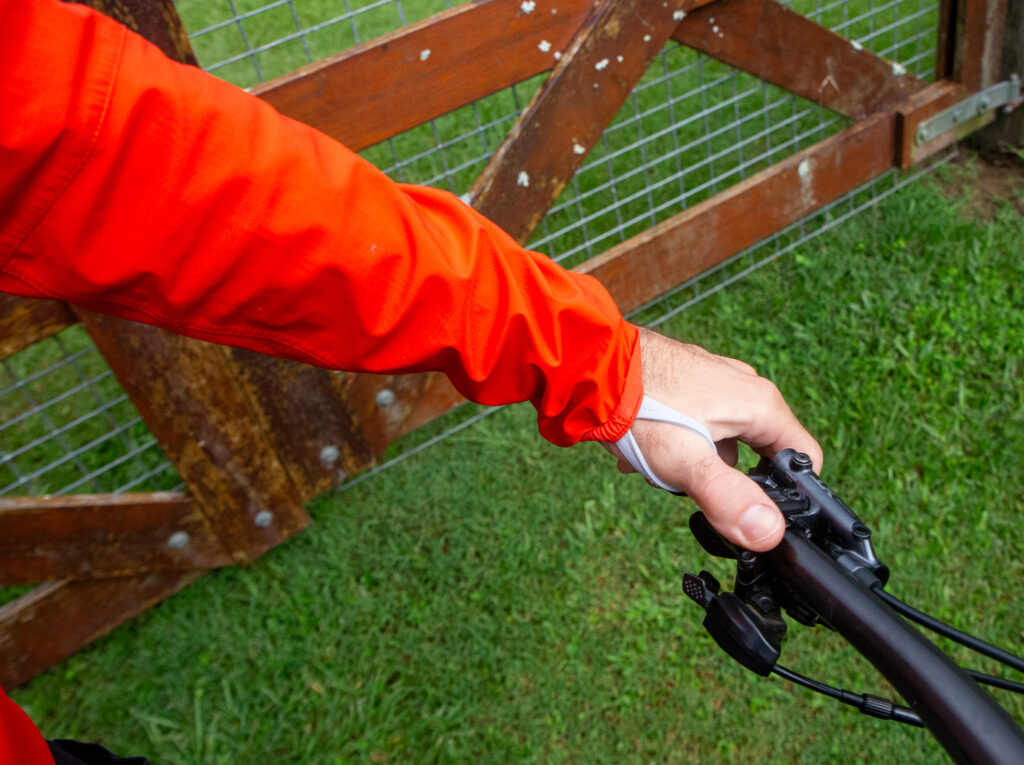
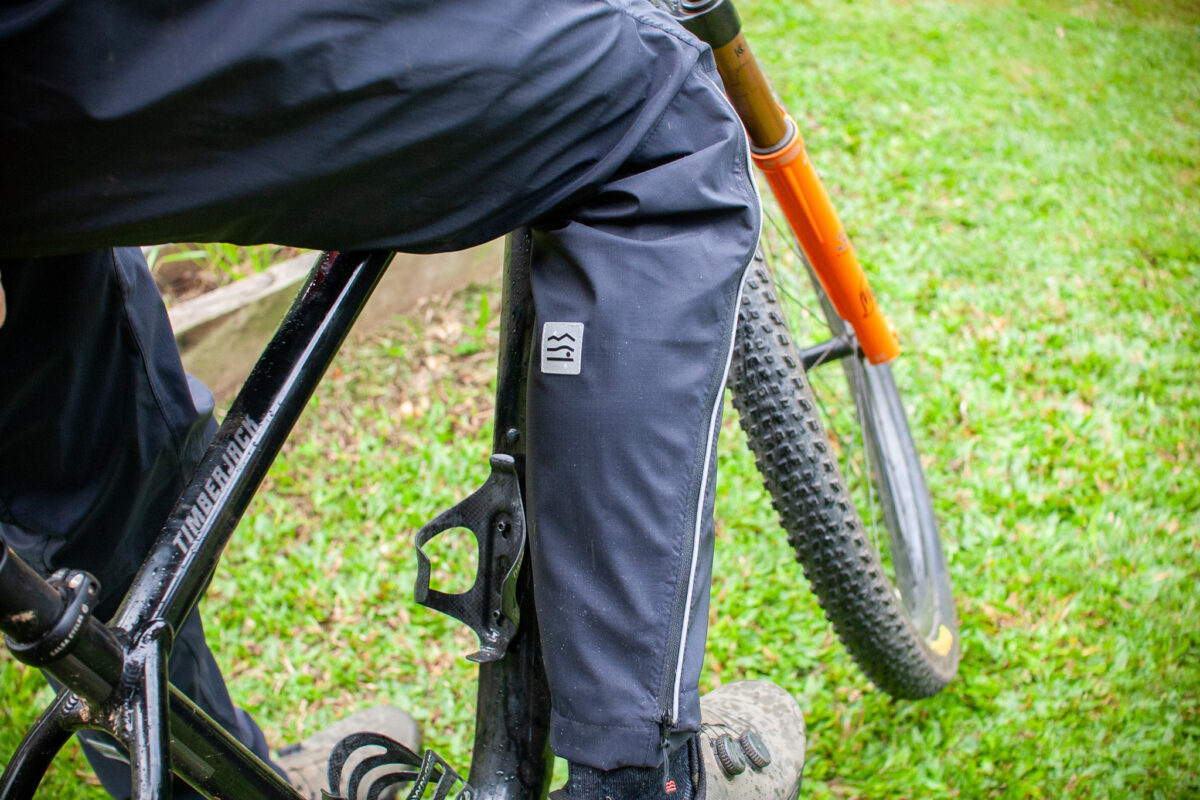
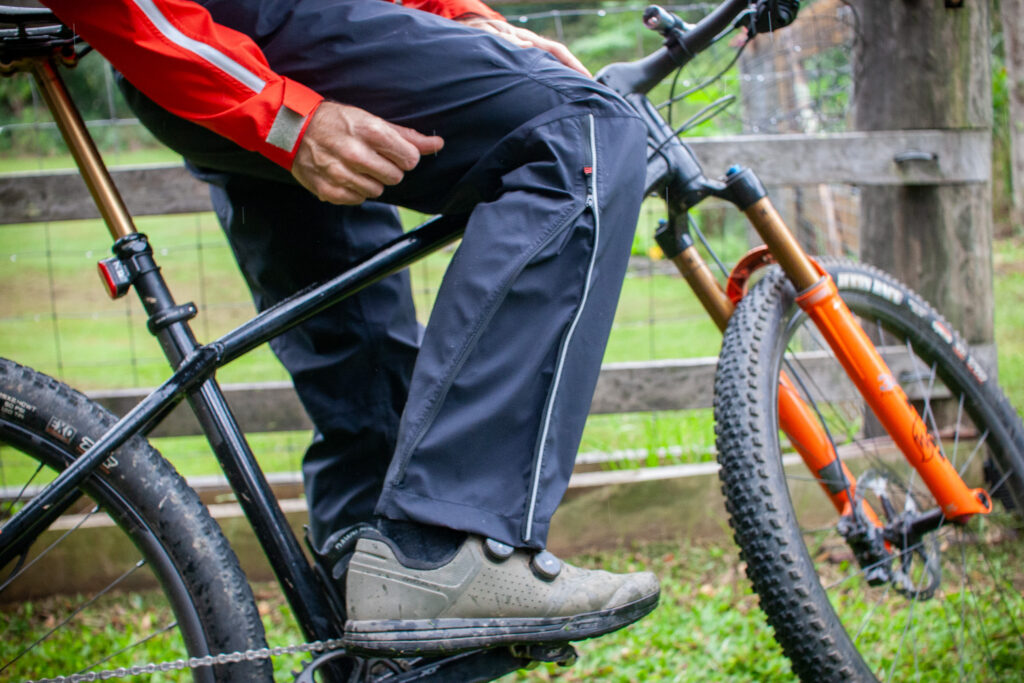
The legs use a semi-tapered cut to reduce excess material around lower legs for pedalling comfort and drivetrain clearance, but ankle zips allow the cuffs to open wide enough to fit over cycling shoes when putting them on or taking them off. That’s a small detail that makes a big difference when the weather turns unexpectedly.
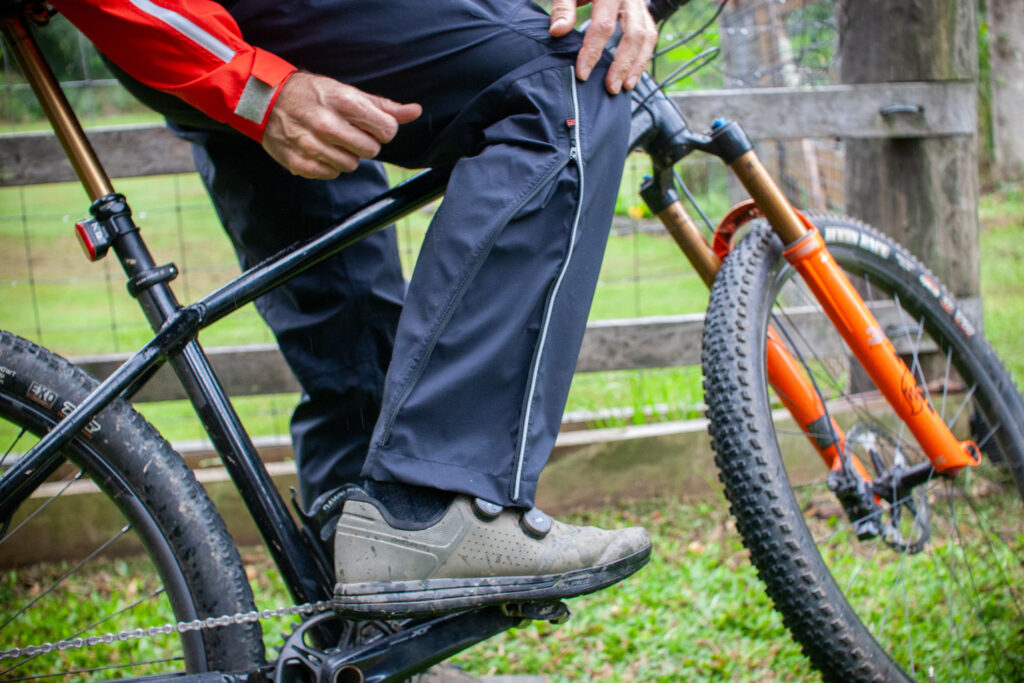
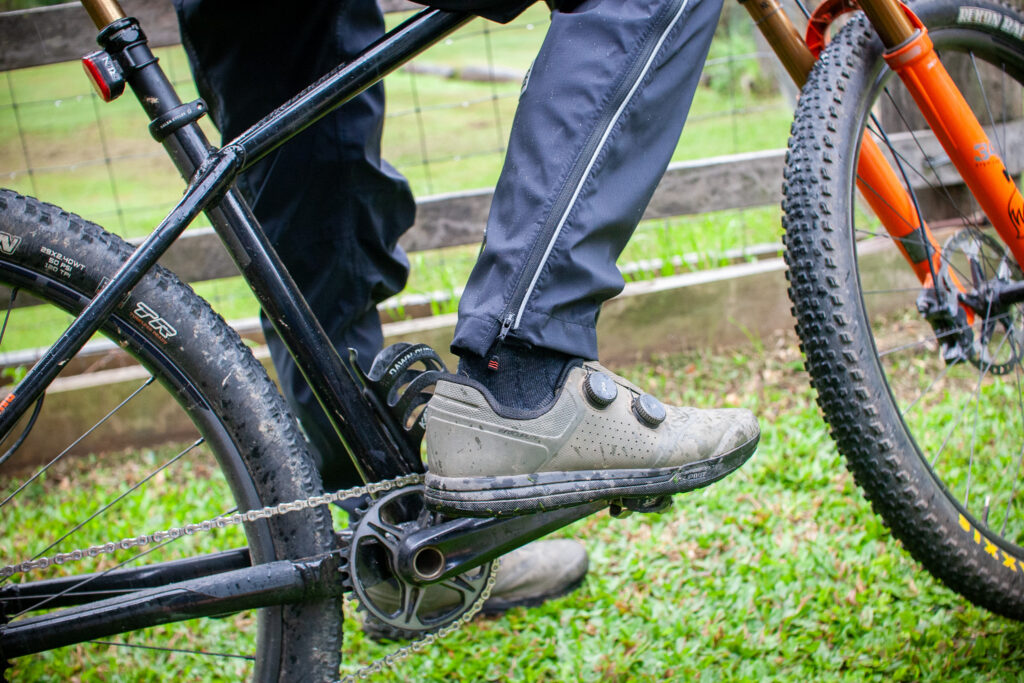
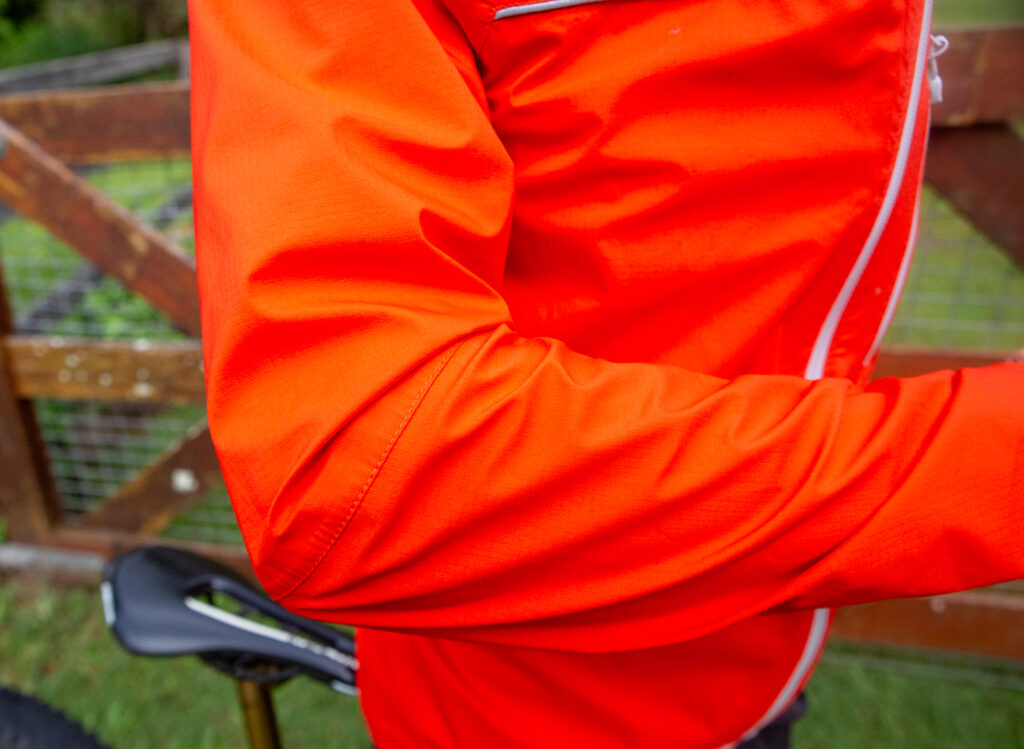
The articulated knee design helps maintain comfort while pedalling, avoiding the restrictive feeling that some waterproof trousers can create. At the waist there’s both a zip and dual press-stud closure system, allowing some adjustment depending on what you’re wearing underneath. Ground Effect have also got some reflective logos on the calves and reflective piping on the outside of the lower leg – the ideal spot for visibility as your legs are moving.
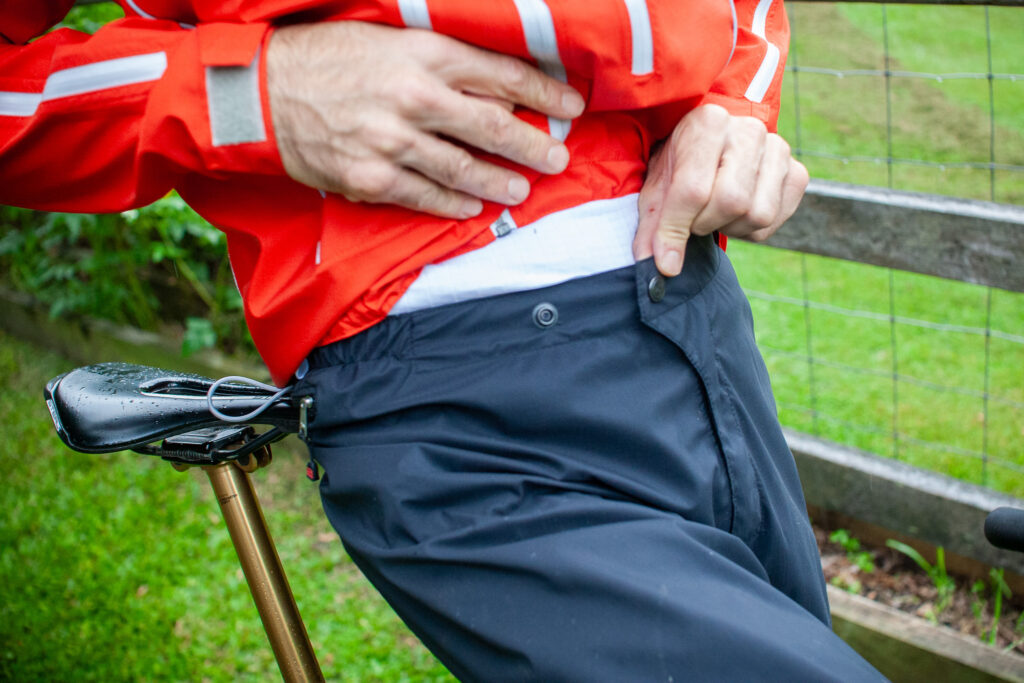
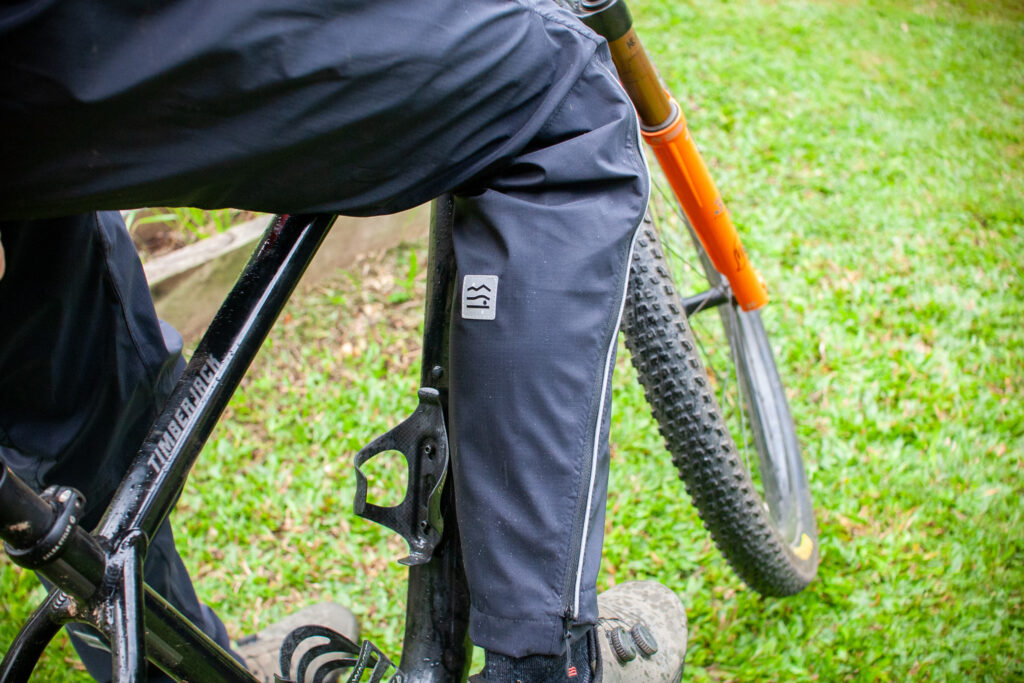
The back sits high enough to leave no exposed real estate when riding – an essential element compared to hiking overpants which can easily slide down at the rear when pedalling.
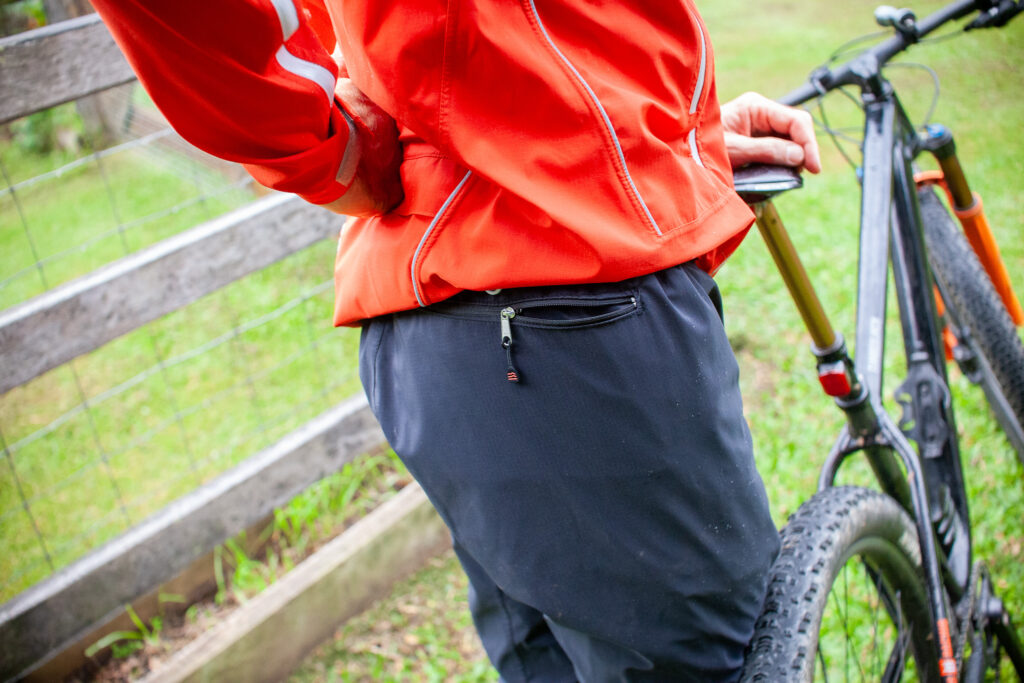
The rear pocket doubles as a stuff sack, making the Splashdowns easy to pack away when conditions improve. Although I found I can sneak them into the Anti-Cyclone bumbag pocket for an all-in-one waterproof panic room suit in a pouch. At just 226g the Splashdowns (size small) are not much extra to tote around for the protection on offer.

Understanding overpants

Some riders will look at full-length waterproof trousers and wonder if they’re overkill. But after spending time using waterproof shorts, three-quarter waterproof pants and a range of water-resistant winter riding gear over the years – along with getting really wet and cold plenty of times – I’m convinced they’re not.
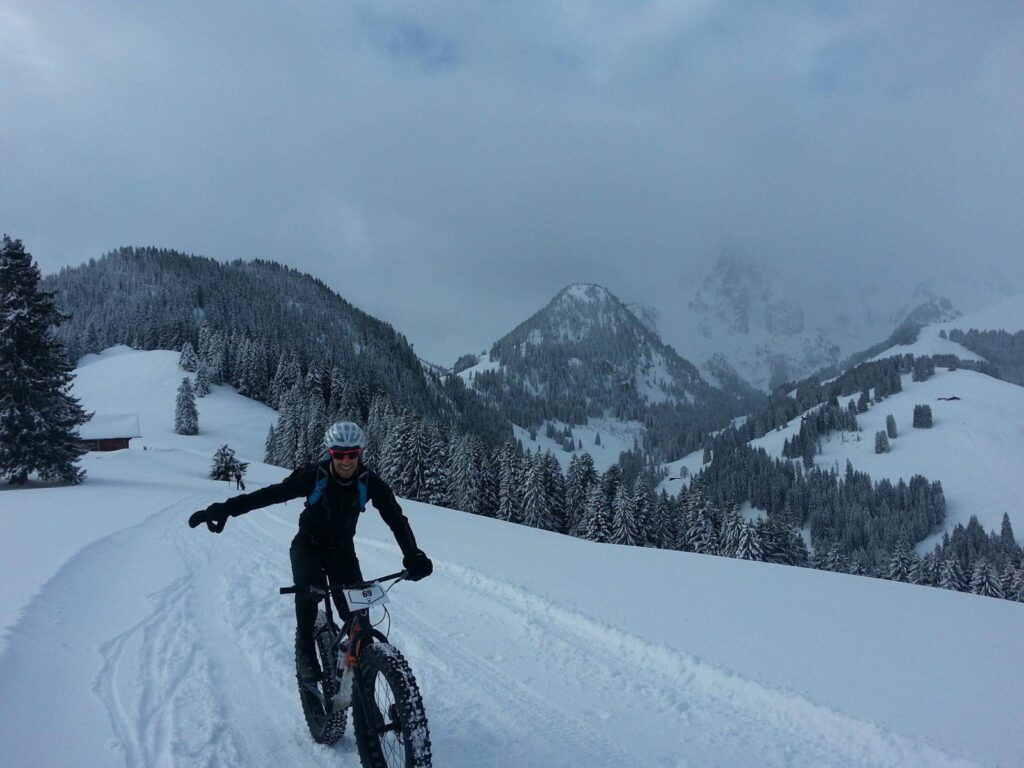
Full waterproof trousers would have been better in this instance.

When conditions are genuinely wet and cold, particularly during extended rain or when roads and paths are covered in standing water, full-length waterproof trousers provide a level of comfort that partial solutions simply do not match.

That’s especially true for riders using their bike as transport. You may not choose to ride in the rain, but sometimes the weather doesn’t give you much choice. Whether you’re commuting to work, running errands, travelling by bike or embarking on a multi-day tour, arriving with dry legs and bum makes a substantial difference to comfort and morale. So many riders are happy to cover up with layers on their torso but neglect the major muscle groups that get you from A to B by bike – those on your legs.

The Splashdowns create a reliable barrier against persistent rain and road spray while remaining comfortable enough to pedal in for extended periods. For those looking at extended trips off-road, they also look after your bib shorts or other gear. Wet grit penetrates clothing and tears it up pretty quickly, especially in a high wear area like where you sit on the saddle.

On the road (and trail)

During wet weather testing the Splashdowns delivered exactly what you’d want from a dedicated waterproof overpant. Part of this is thanks to the articulated fit that means the trousers stay put while pedalling, and the tapered lower leg avoided excessive flapping without feeling restrictive – best of all they stayed clear of my drivetrain. The ankle zip design made it easy to pull them on over cycling shoes when rain arrived unexpectedly, and they packed down neatly when not required.

Maintaining warmth and dryness through your legs can have a significant impact on overall comfort. That’s particularly true during winter riding, bikepacking trips or touring adventures where getting soaked through simply isn’t an option. Ventilation optios are not the same as with a jacket, so the Splashdowns won’t be the ticket for summer thunderstorms – but I found with some bike shorts underneath, riding in consistent rain on a day that barely nudged 18 degrees was still more comfortable with them on than it would be without.

Verdict

The Splashdowns won’t be for every rider or every ride. But for commuters, tourers, bikepackers and anyone who regularly rides through poor weather, they’re one of those pieces of equipment that quickly proves its worth. And they are an item you’ll have for some time.

The new HydroFoil Endure fabric performs well, the bike-specific fit details are thoughtfully executed, and the overall design prioritises practicality. They really are an item where the basics of cut and materials deliver what you need.

If you regularly find yourself riding through rain, cold conditions or standing water, proper waterproof trousers remain one of the best investments you can make in riding comfort.

RRP: ~$AUD245
Available: Direct from Ground Effect
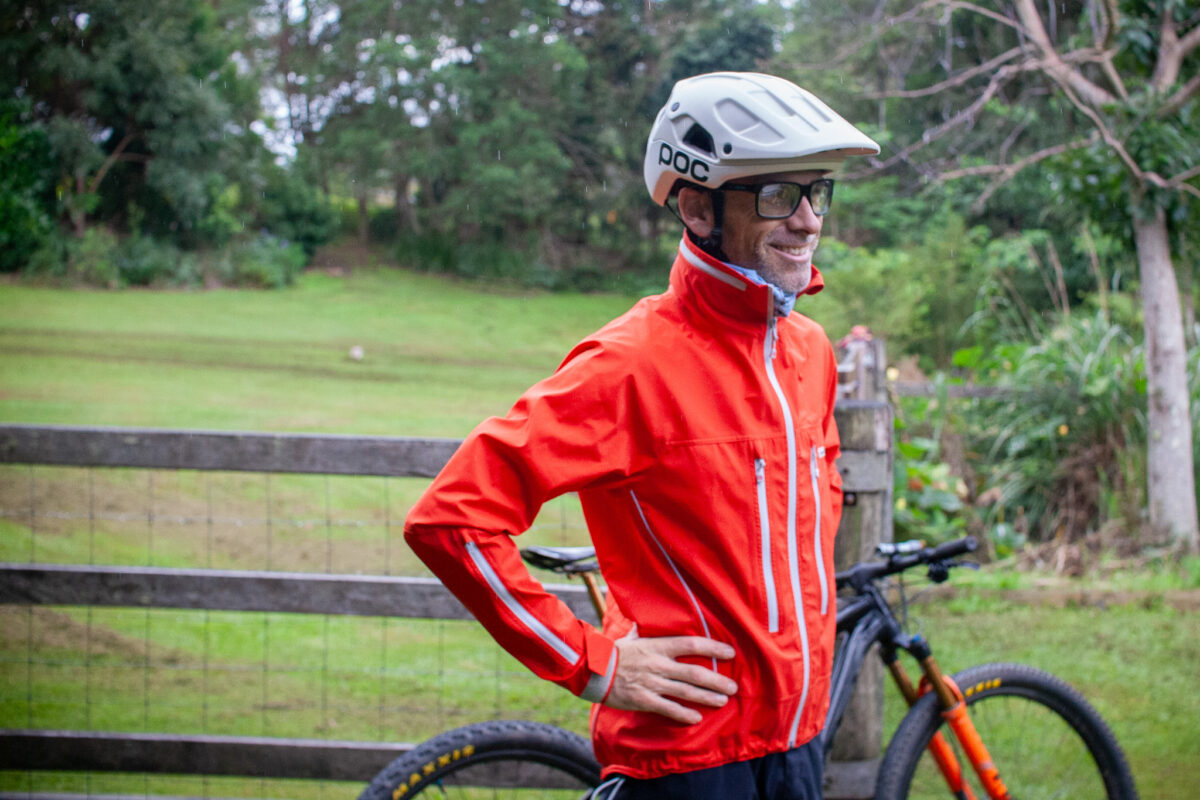
BQ Tests: Ground Effect Anti-Cyclone Jacket

By: Mike Blewitt

When it comes to making cycling clothing for challenging weather, few brands have the heritage of Ground Effect Cycle Clothing. Based in New Zealand, the company has spent over three decades designing gear for riders who make the great outdoors their second home. Their products are designed, tested and refined by people who live and breathe adventure, with a focus on making equipment that works and using materials they trust.

Ground Effect sells directly to riders through their online store, helping keep prices competitive while maintaining quality. The company also supports grassroots cycling across New Zealand and Australia through its Slush Fund initiative, and offers men’s and women’s versions across most of its range. Bicycle Queensland members can also receive a free pair of Ground Effect merino socks with their order by using the code available in the member portal.

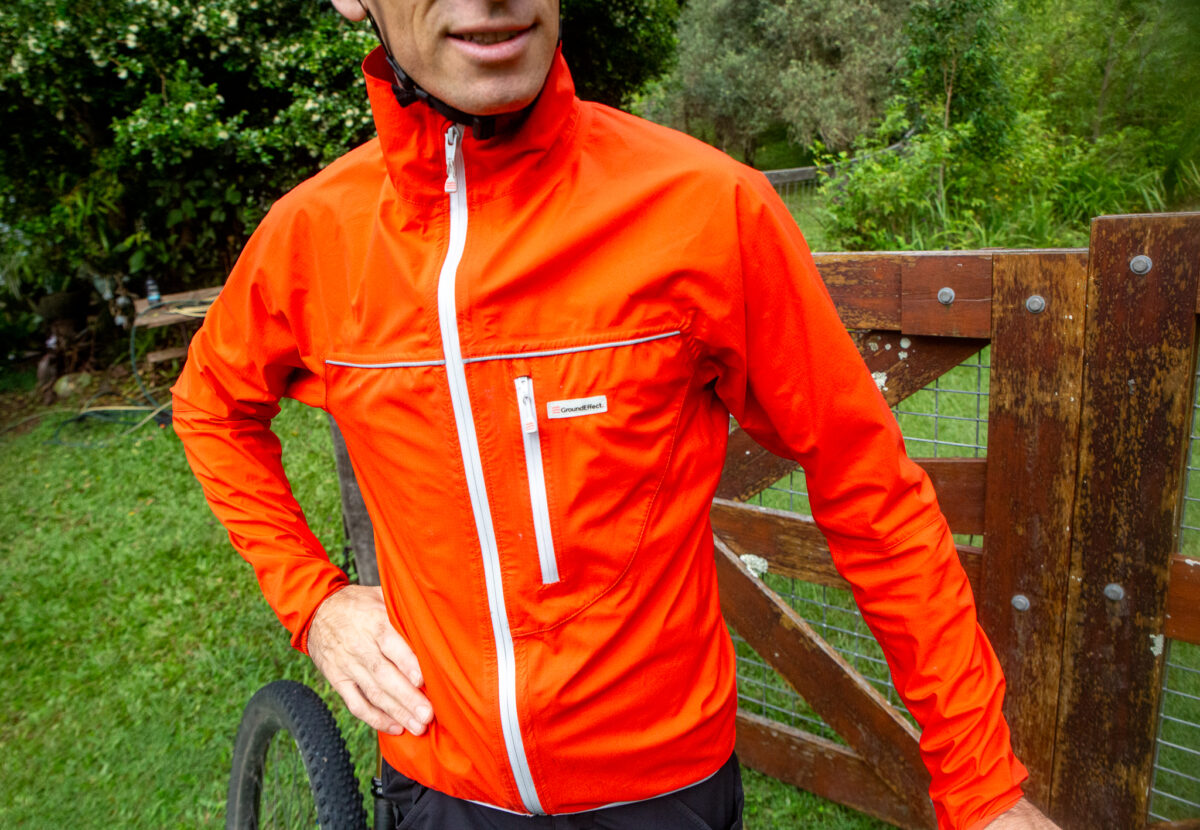
The Anti-Cyclone sits at the top end of Ground Effect’s waterproof jacket range and takes a slightly different approach to the minimalist Ground Effect Rivet jacket that I reviewed 6 months ago. Ground Effect have a women’s version called the Antidote. Ground Effect have just renewed the materials across their waterproof range of gear including the Splashdowns, their waterproof trousers.

What’s new?

The biggest update is the use of Ground Effect’s new HydroFoil Endure fabric. The material is highly waterproof and breathable (20k hydrostatic head, 18k gm/sqm/hr for the boffins), but importantly it is also PFAS-free and designed to maintain its performance without the need for regular waterproofing treatments. That’s thanks to each fibre being coated with silicone. That’s a welcome development for riders who want a jacket they can rely on season after season without constant maintenance. If you want to do a deep dive into waterproof and breathable materials, but would prefer if someone else did the work for you – read this.

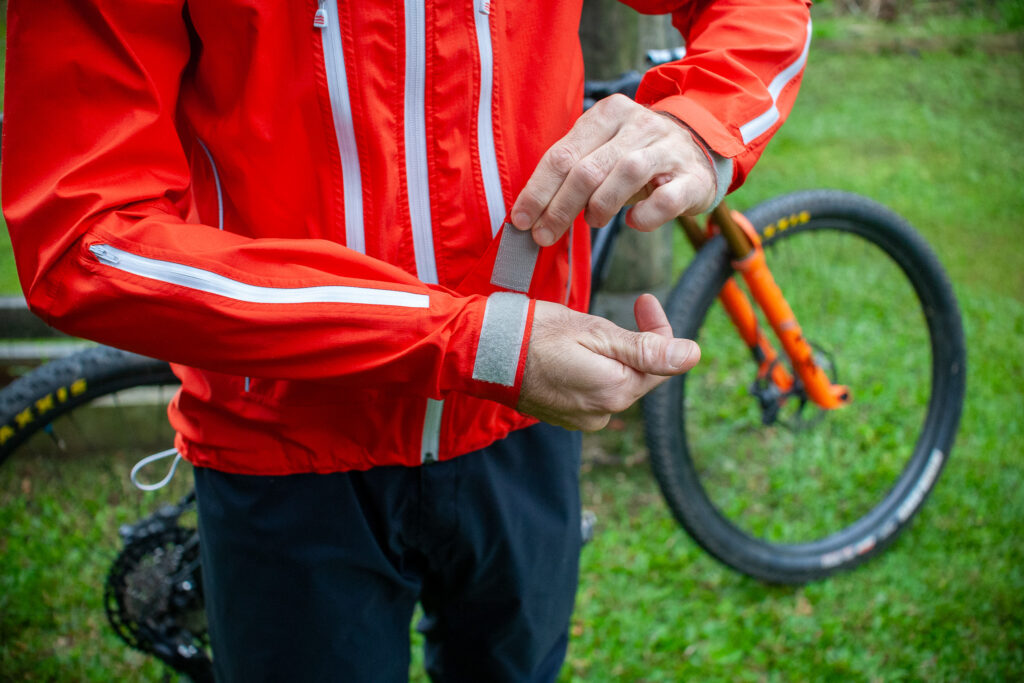
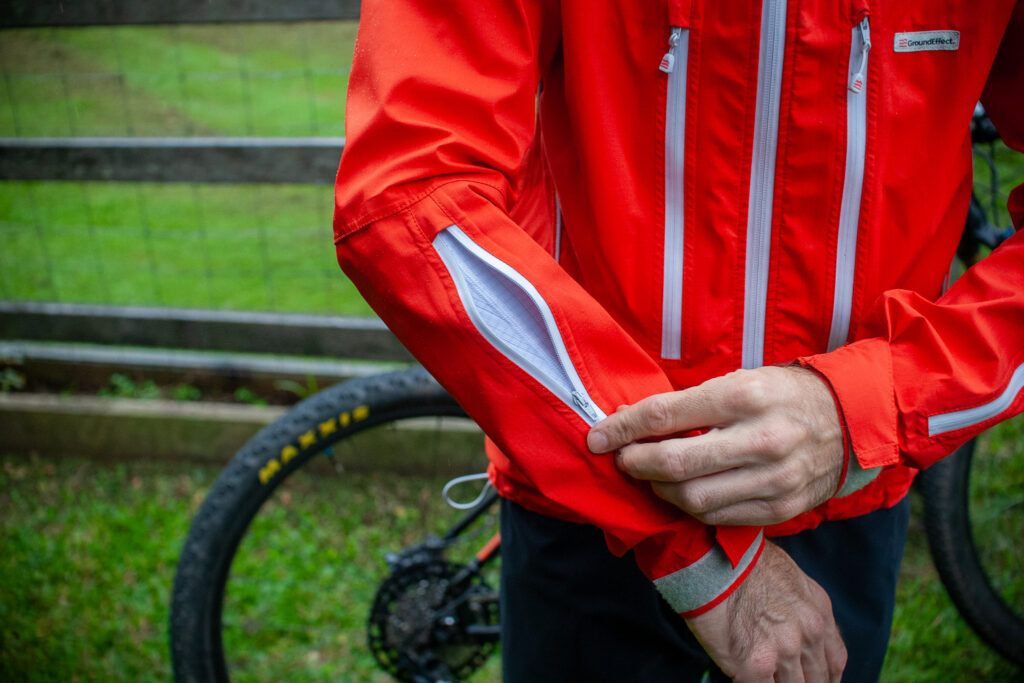
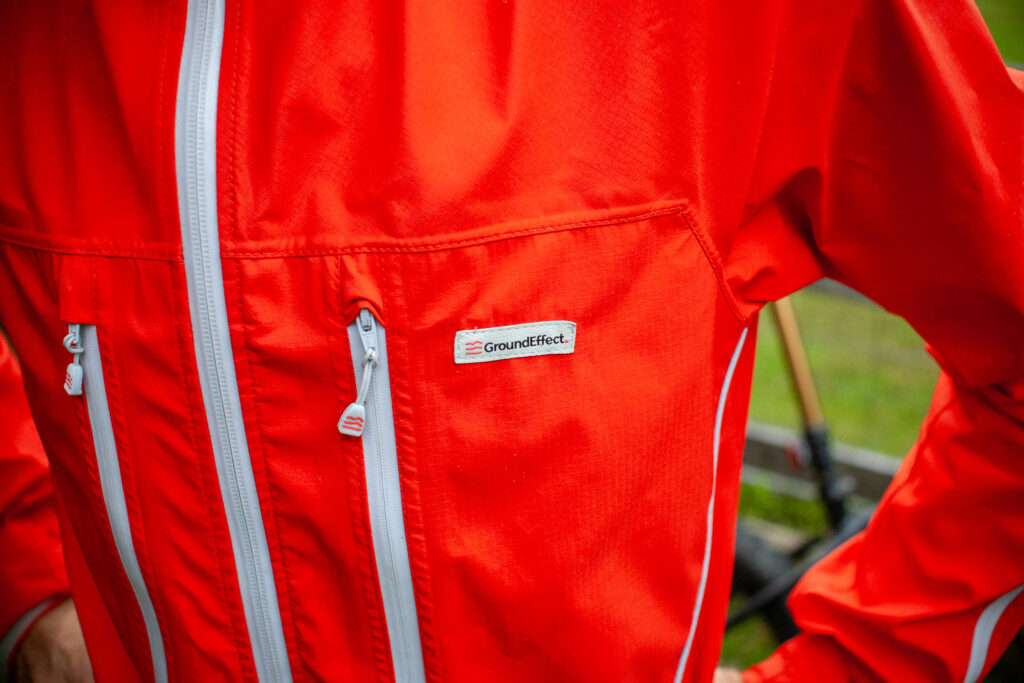
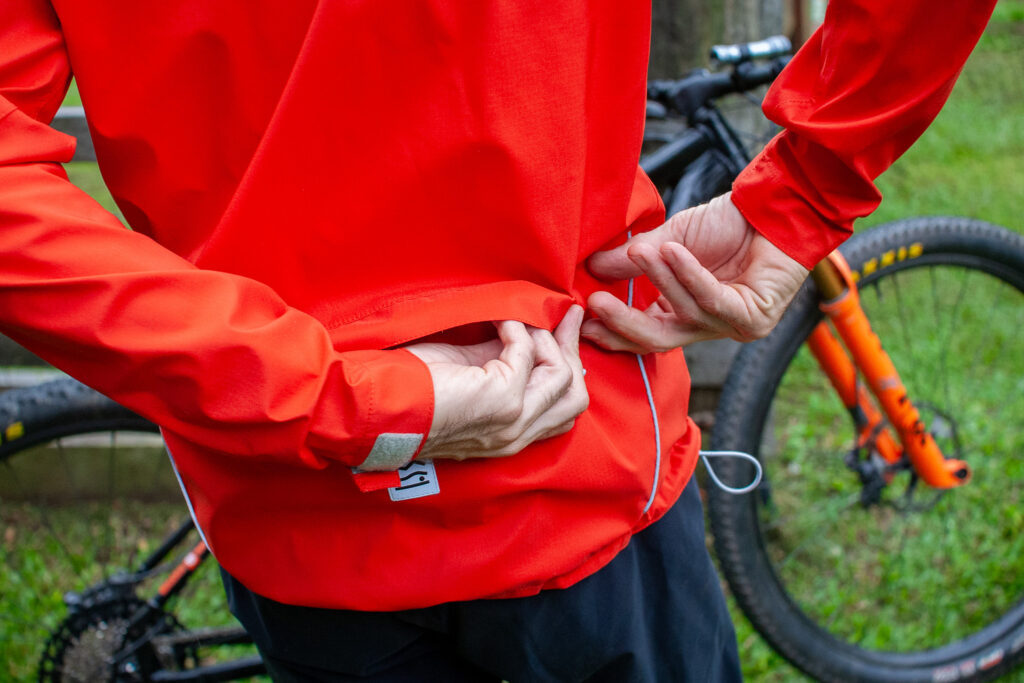
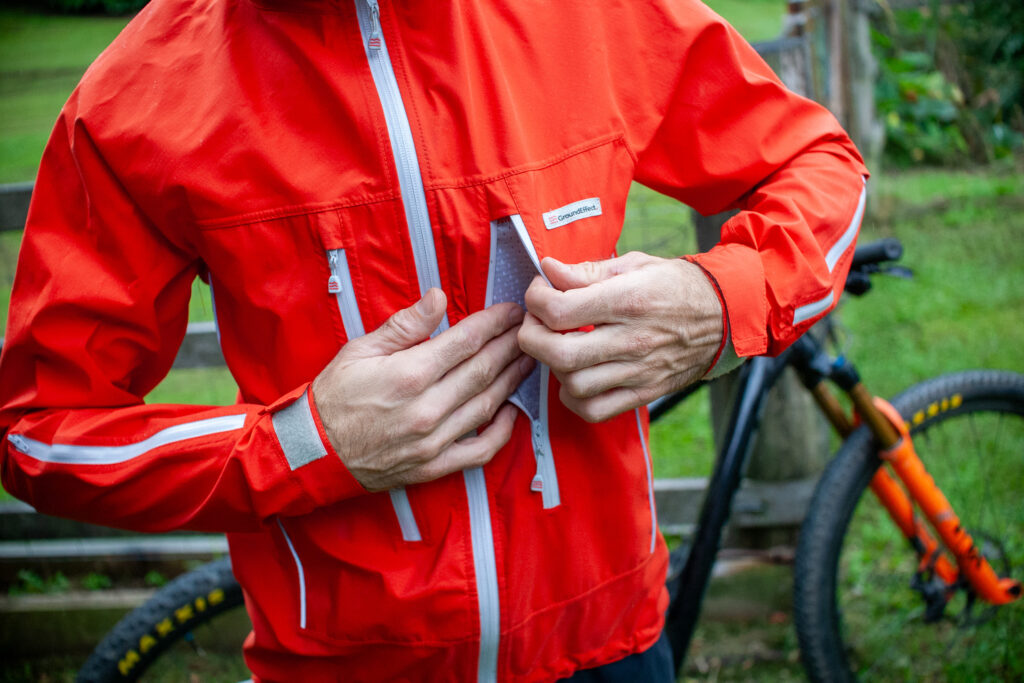
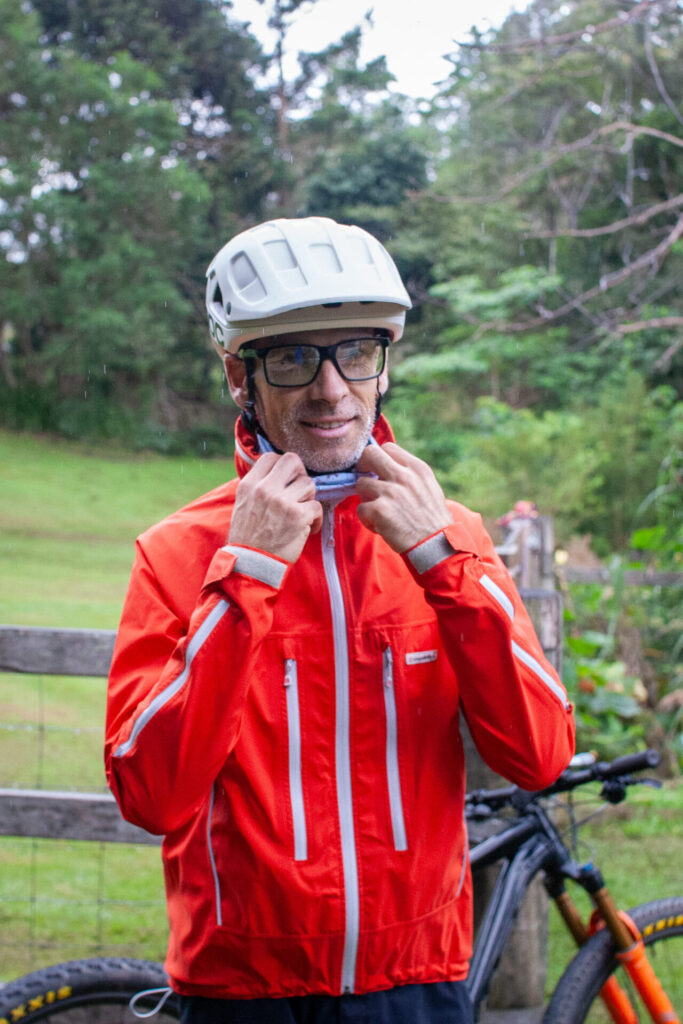
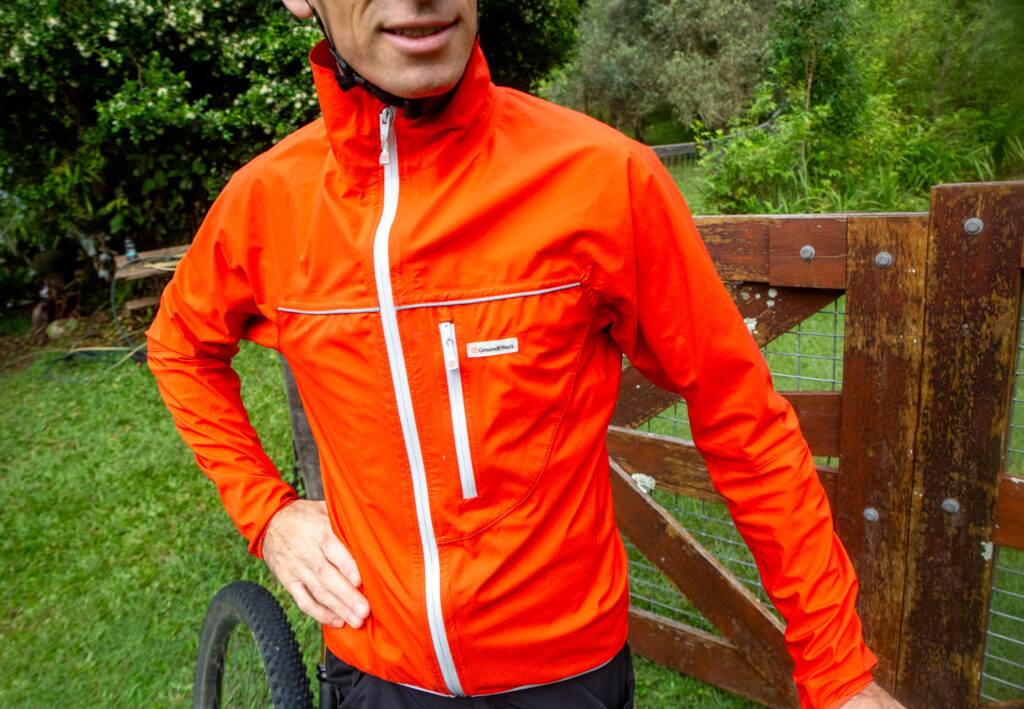
Compared to the Rivet, the Anti-Cyclone has a more versatile design with a broader range of features. There are two chest pockets that double as additional ventilation points, forearm vents, a generous rear pocket, Velcro wrist closures, an elastic drawcord hem, a high protective collar and a stowable hood that fits neatly under a helmet.

The jacket packs into its own rear pocket when conditions improve, turning into a little bumbag hence delivering its own storage solution at the same time. I even managed to fit the Splashdowns waterproof trousers in as well, so you can be like a snail and carry your own waterproof shell with you on your (lower) back.

It’s clearly designed as a jacket that can move between commuting, touring, bikepacking and everyday riding duties rather than being a purely performance-fit cycling shell, which is the domain of the Rivet. Regardless, this is not a heavy jacket, clocking 362g in a small on my scales.

On the bike

I tested the Anti-Cyclone through some of the recent run of wet weather and came away impressed by how adaptable it feels.

The small size was still roomy on my 178cm, 72kg frame. Riders looking for a close-fitting race cut may find it generous and would be best looking at the Rivet or Flash Gordon. That extra space allows room for layers underneath and makes the jacket more useful off the bike as well. In fact, that’s one of the Anti-Cyclone’s strengths. It doesn’t immediately identify you as someone who has just stepped off a bike, or scream ‘bike nerd’ as much as it could. On that, the Bright Orange is quite bright and has lots of reflective detail – but Dark Royal is another option for those with a more demure aesthetic.

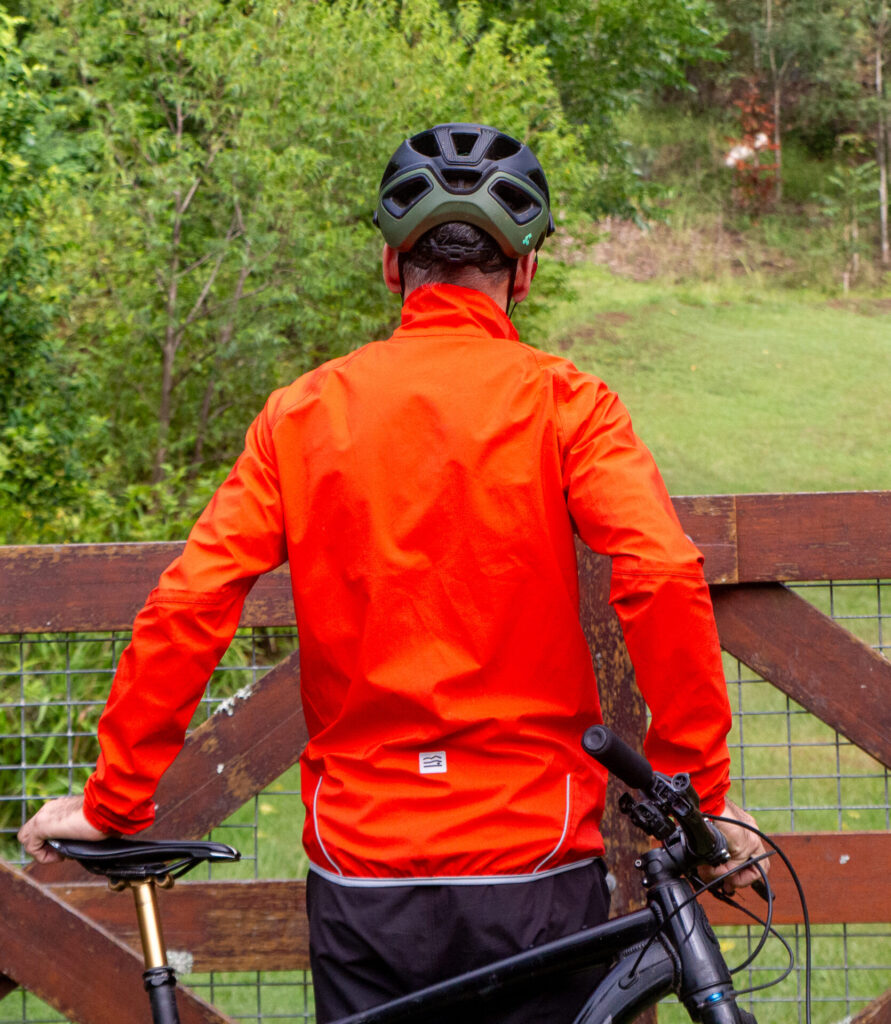
Plenty of thought has gone into the cut for a riding position. The articulated elbows help prevent bunching when riding, with room in the shoulders for making shapes if you’re on the trail or in the bike park. The front is cut short enough to avoid excess material gathering around your lap, and the dropped tail provides excellent coverage from wheel spray.

The only feature I occasionally wished for was a two-way zip. Riders using jersey pockets may appreciate easier access from below while remaining zipped up against the weather. However, many riders will be using the Anti-Cyclone as an outer layer with less lycra-centric clothing, and for those users the standard zip arrangement makes perfect sense.

What really stood out was the ability to manage comfort as conditions changed. During harder efforts, ventilation could be fine-tuned through the main zip, chest pockets and forearm vents. It was really easy to tug the zips a little when on a climb to let some cooler air circulate, then zip up for the full hardshell experience on a descent. When the rain intensified, everything sealed up effectively and remained comfortable – including the hood. By making it an under the helmet hood, you are less likely to have the ‘big billowy parachute’ experience when trying to close a one-size-fits-most hood over a helmet.

Best of all, the Anti-Cyclone keeps water out. Through persistent rain and extended wet rides there was no noticeable water penetration, while breathability remained impressive for a fully waterproof shell, thanks to the adaptability of ventilation.

Verdict

The Anti-Cyclone is a jacket designed for riders who want one waterproof shell to cover almost every cycling scenario. Commuting, touring, bikepacking, mountain biking, recreational riding and everyday transport are all well within its comfort zone.

Its fit and extensive feature set make it more versatile than the Rivet, while the new HydroFoil Endure fabric delivers excellent waterproofing without relying on ongoing waterproofing treatments. This is a jacket for the long haul.

Riders wanting most streamlined option may still prefer the Rivet. For everyone else, the Anti-Cyclone is an exceptionally well-considered wet weather jacket that feels equally at home on the bike and off it.

RRP: ~$AUD490
Available: Direct from Ground Effect
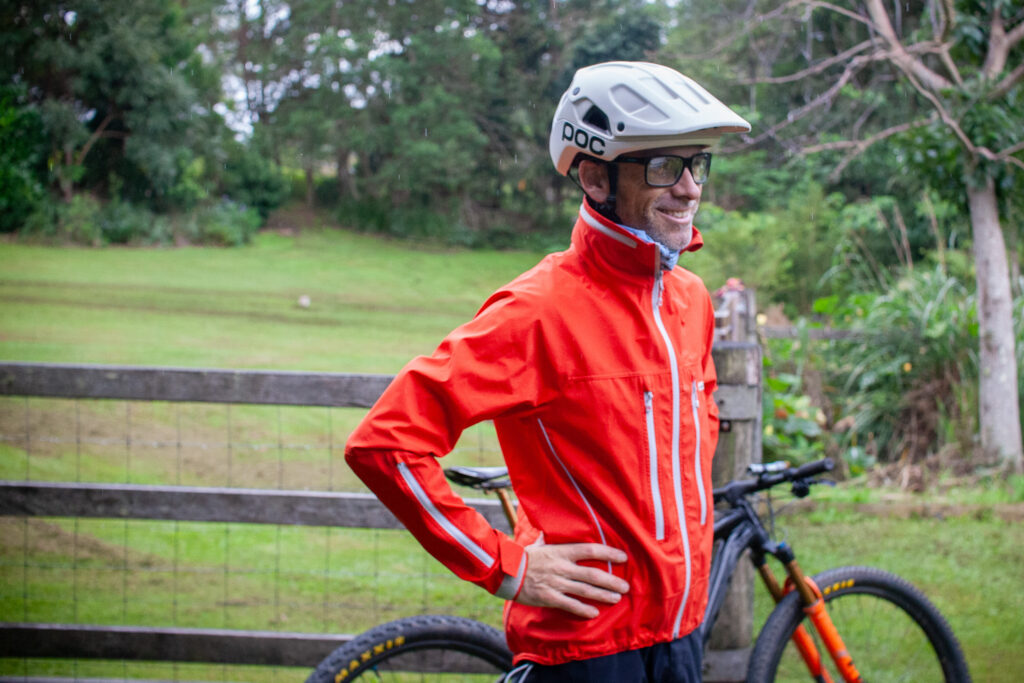
BQ Tests: Ground Effect Rivet waterproof jacket

If you’re familiar with the saying that there’s no such thing as bad weather, just the wrong clothing – you are probably familiar with Ground Effect Clothing. The company is based in Christchurch, and they proudly design, test and manufacture their gear right in New Zealand. With over 30 years experience, you can be certain that their gear has been refined to provide everything required, and nothing that isn’t.

Case in point – the Ground Effect Rivet. It’s a fully waterproof jacket with a simple, slim cut made from quality materials. Ground Effect also make the Rivulet, a similar jacket in a women’s cut. With a long bike trip planned for the second half of November, a Rivet arrived from Ground Effect just in time.
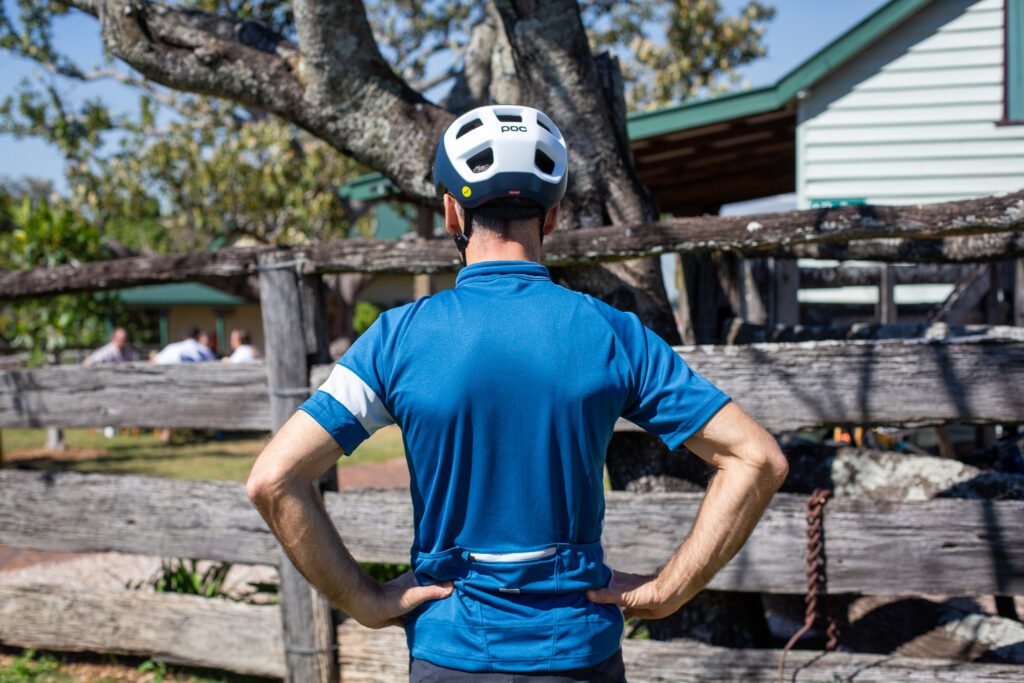
A closer look

The Rivet, and Rivulet, use Ground Effect’s Hydrofoil fabric. The nylon outershell is attached to a waterproof and breathable membrane. When talking about waterproofness, testing involves measuring a hydrostatic head. In this case the material on the Rivet has a 23,000mm hydrostatic head. Therefore the material will withstand the pressure at the base of a 23m high tube of water! The seams are fully taped, and the breathability rating is 33,000gm per square metre per 24 hours. Or perhaps more importantly – it has a full zip that is easy to access when you’re working hard.

It’s a jacket of minimal frills. The collar stands tall, the arms are long for a riding position, including an articulated elbow. There’s a dropped tail for some additional coverage when riding. Ground Effect include a pocket on the chest and some thumb loops at the cuff. There is also some reflective pipping and detail to help with visibility – along with the bright orange colour! A green Kakariki colour is also available. Total weight is 263g and I found the small to be perfect for my 178cm 72kg build, with room for a light fleece underneath if needed. Of note, the Rivet doesn’t have a hood. If you’d like a hood and a few more bells and whistles, look to the Ground Effect Storm Trooper or Anti-Cyclone.

On the bike

My first use was on a bikepacking trip – the kind of trip you don’t take a jacket you’re not sure about. Day 2 started overcast and cold – the exact time to pull on a wind and waterproof jacket. With lots of climbing, descending and wet air in the fog, it was easy to regulate my temperature. In the cold I added a buff and had a light Alpha fleece beneath the jacket. On a day that went from low single digits in wet air, through to finishing in the dark and rain – the Rivet was an ideal companion.

Into the Australian Alps

With gangly arms I was really impressed by the proper sleeve length, having owned a number of jackets that never fit like they should. Better than that, the tapered sleeves meant minimal flapping at speed.

In changeable weather it is just as useful as a windproof layer, as it’s not nearly as bulky as something like a hiking waterproof jacket. As a jacket for a bikepacking trip that is ideal – but I think versatility in equipment is great for anyone. While it doesn’t pack into it’s chest pocket, I found shoving it into its own sleeve was pretty easy when packing the jacket away.

Of course, during rain in higher temperatures and humidity a waterproof often doesn’t feel like the right item, depending on the rate of rain. I didn’t get caught in any typical Queensland storms in the test period – I’ve learnt to avoid them by planning ahead. But in recent rain events the Rivet did what was expected – kept the rain out and managed perspiration to a good extent. The Rivet will be your best friend in a deluge but like any waterproof jacket, the breathability can struggle in high humidity when you’re working hard pedalling.

While the Rivet has only had a few months of use, I can tell it will become a hard-wearing staple in my cycling wardrobe. I’ve owned a number of superlight shells over the past couple of decades. This includes jackets that rely on a coating for waterproofness to a lower rating than the Rivet. They have been great for small packsizes and savings of around 60g – but these days those sorts of jackets are only grabbed for short dog walks in drizzle. They just don’t keep the weather out. Thanks to both a higher-quality material that is more durable to boot, I’m sure the Rivet will be on high rotation for years to come.

Our take

If you are looking for a truly waterproof jacket that fits well for on bike adventures – you’re looking in the right place. I was on the fence about needing a hood or not, and opted for the Rivet after advice from Ground Effect staff. Those looking for even more versatility could consider the Flash Gordon. It uses the same material but has zip of sleeves so you can have a jacket – or a fully waterproof vest that will keep your core dry in mixed conditions that may not require a full jacket. It may be one of the best answers for the ‘hot rain’ some British friends described when visiting Queensland.
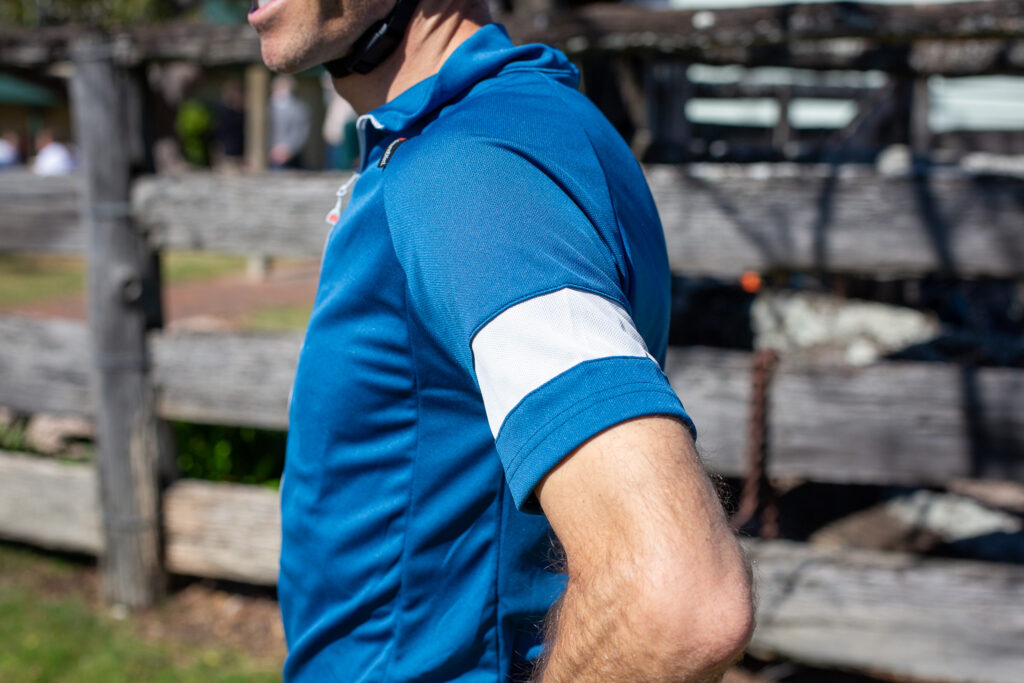
RRP: $AUD285
groundeffect.co.nz

BQ Members receive a free pair of Ground Effect Merino socks with their orders – grab the code from the Portal!

BQ Tests: Ground Effect Stingray

By Mike Blewitt

Ground Effect are well-known for making versatile cycling clothing, and for the past year I’ve found their Solaris sunshirt a go-to for gravel rides, mountain bike rides, hikes, dog walks and gardening. The Stingray is visually a more dedicated riding shirt, without being a skintight World Tour team item.

BQ also tested the Solaris and Flare sunshirts

Made from the fast drying HyperActive material, the jersey has a semi-fitted cut, with a tall collar to bolster the benefits of the UPF50 protection the material provides. With three pockets including a zippered pocket and a ¾ zip – the Stingray should suit bikepackers, commuters, adventurers, mountain bikers and just general bike riders alike.

I found the material as expected – comfortable against the skin and hard wearing. While I mostly used the jersey through August and September, I can appreciate that the zip will be a bonus in the stick months – where the Solaris can get a bit steamy. I can see myself adding sunsleeves to this jersey for long days out through spring and summer for ultimate versatility. The pockets are secure yet easy to get into even when wearing gloves. As a semi-fitted jersey they aren’t the best for fully overloading as you’ll find that compromises the fit and comfort.

A jersey like the Stingray should be a staple for many riders. Quick drying, fitted enough for riding and casual enough for a sit down lunch or post ride beer at the front bar.

$122.53
Groundeffect.co.nz

BQ Tests: See.Sense ICON3 rear light

When is a bike light more than just a light? See.Sense have developed a range of lights that don’t just respond to your riding and environment to maximise battery life and visibility – but they can also help you create a better and safer riding network in your region.

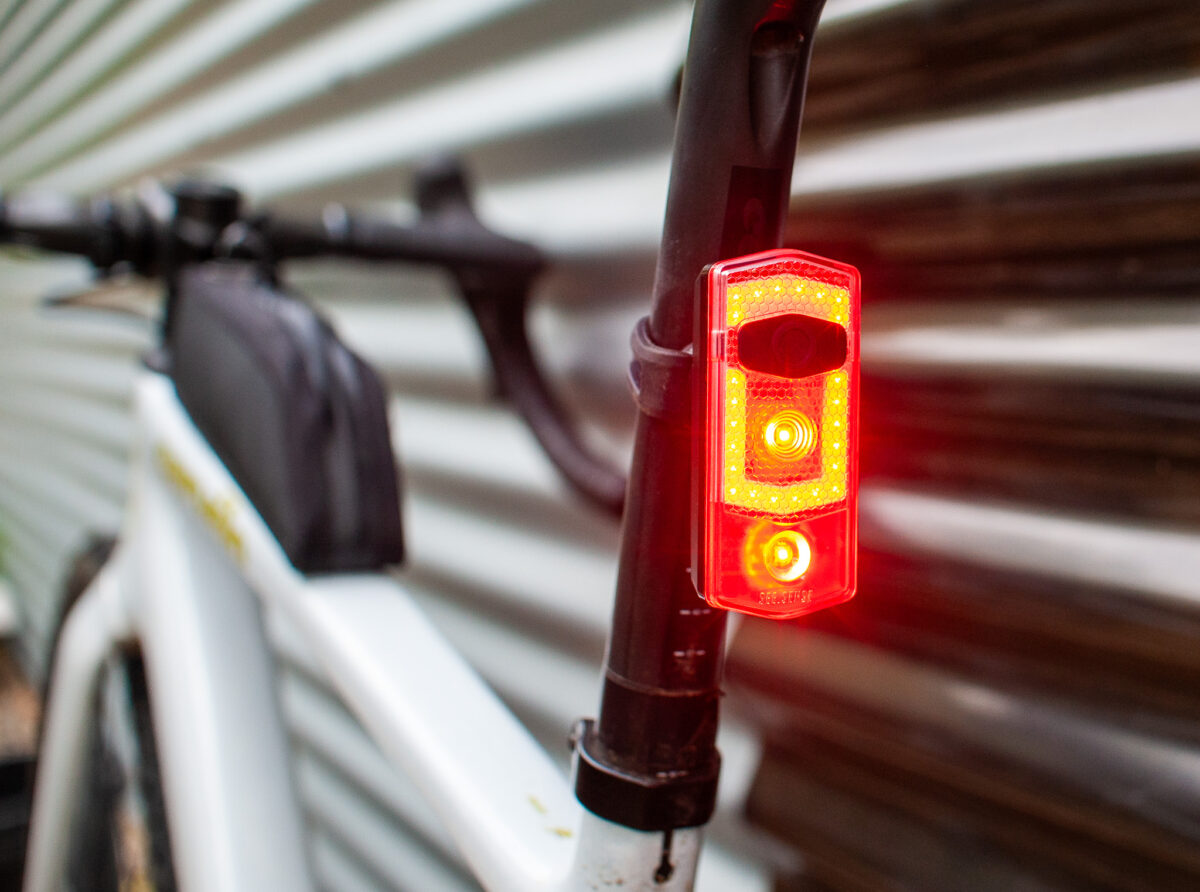
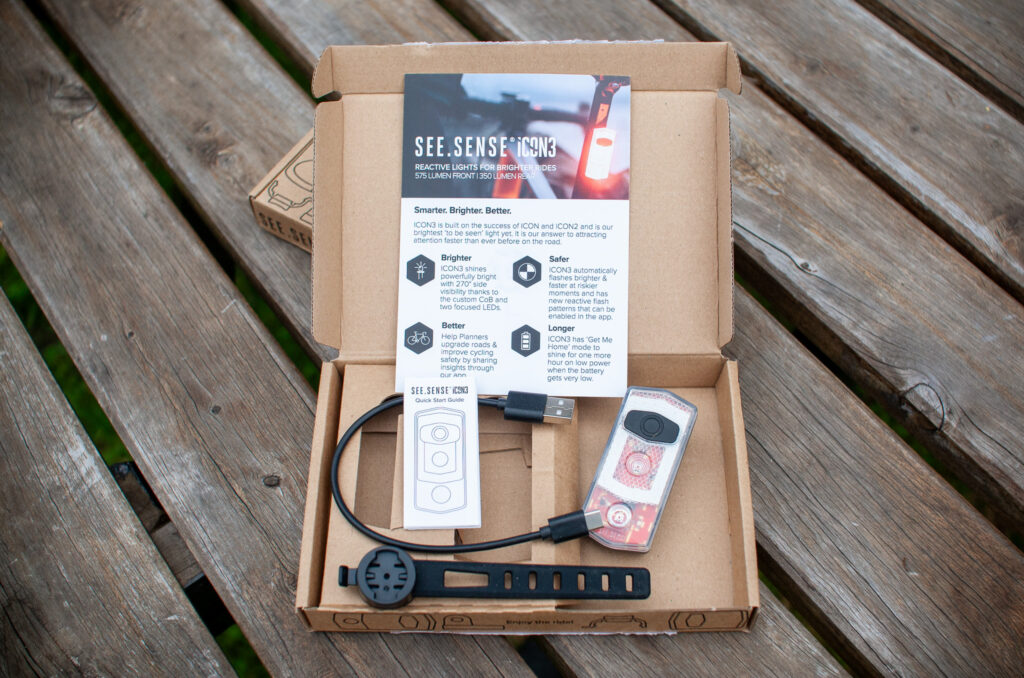
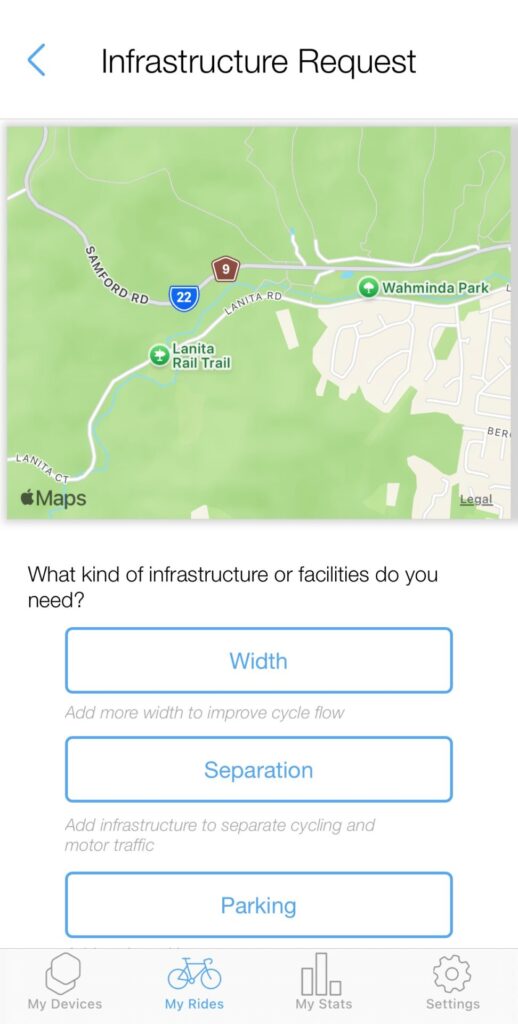
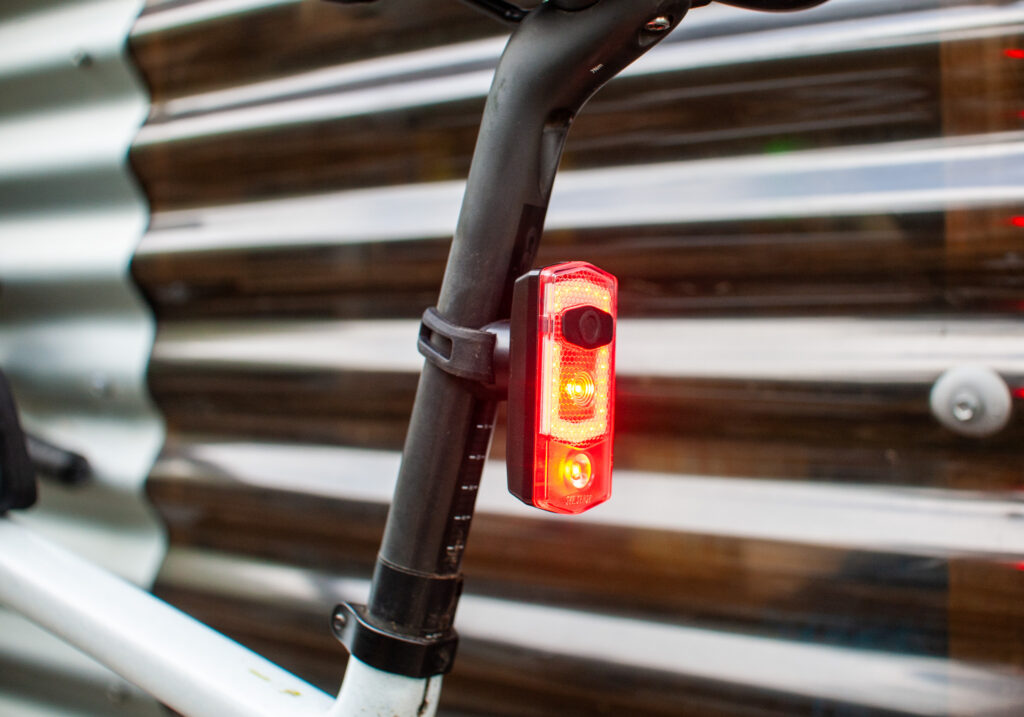
The Icon 3 has a low profile mount for your seat post, a nice feature to help it fit smaller frames and mountain bikes with dropper posts. The light has a vertical orientation, and pumps out a whopping 350 lumens! Thanks to the design of the light and LED placement, See.Sense claim 270 degrees of visibility for the light. As a smart light, the Icon 3 adapts the amount of light to your surroundings, and with its motion sensor it can send a message and location to a chosen mobile number as a crash alert, and even give you a theft notification. For those who are civic minded, you can also use the See.Sense app to report incidents on your ride, or issues with roads, shared paths and bikeways.

A closer look

As a light, the Icon 3 is bright! Using the dynamic function the light will be brighter when it need to be, and less bright at other times to conserve battery life. There are 5 little lights across the top of the light to show approximate battery life, and See.Sense have built in functionality of an hour of low output run time to get you home when the battery is getting low.

One of the standout features of the Icon 3 is its ability to collect real-time ride data. The light can record information on road surface conditions and even areas of high-traffic stress – plus plenty of other insights. This data can be synced to a custom dashboard that See.Sense are building for Bicycle Queensland, providing insights into where cyclists face the most hazards or issues when riding – a powerful tool to support BQ’s advocacy work. This is all possible thanks to accelerometers in the light, and some very snazzy coding in the lights that are made in the UK.

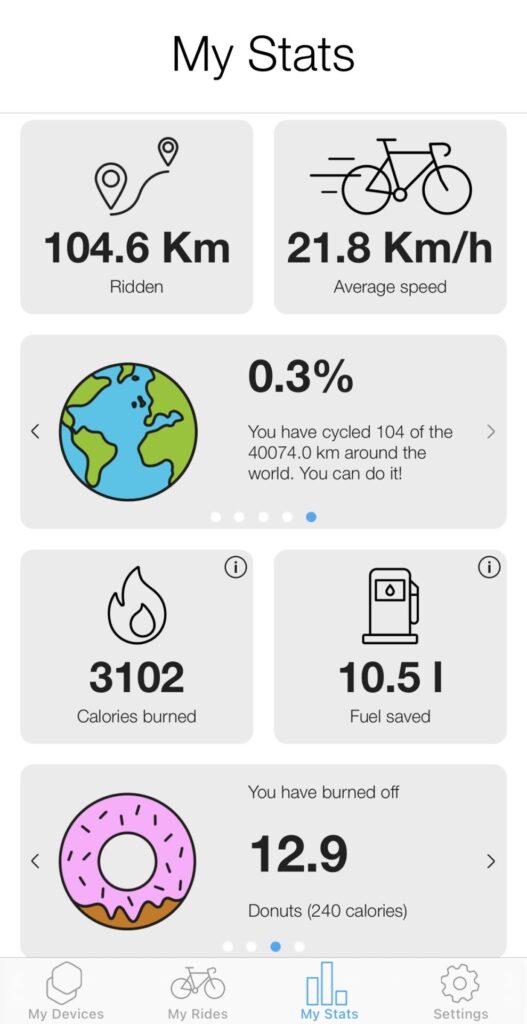
Of course, any reporting occurs through the partner app, where you can see a tally of your kilometres ridden, and report any incidents that may have occurred on the ride, including exactly where they were. You don’t have to do any of this if you just prefer the idea of having a light that adapts to your riding and environment.

In use

I am often a set and forget user for things like lights, and I certainly felt assured I would be seen when using the See.Sense Icon 3. It is bright, with a secure fit on my bike. I did find the Bluetooth connection with my phone would not always connect when I turned the light on, so not all my rides were recorded. This is less of an issue for me, but in terms of making a consistent data set for a dashboard, I would have to ensure it was paired for each ride. I also found the battery life wasn’t quite as long as I would like, but far longer than a radar rear light.

The Icon 3 is a high quality light that is very visible and bright. As a premium light any bike rider should be happy that their light will not only optimise output for the user, but it can also be used as an advocacy tool to develop

BQ members can save 30% off the price of See.Sense lights, and they are a very high quality product. If you’d like to be supporting BQ’s advocacy via ride reporting, they are a great light option to look at – just check the pairing before you set off.

From: See.Sense


BQ Tests: Ground Effect Tip Top

By Amanda Hernandez

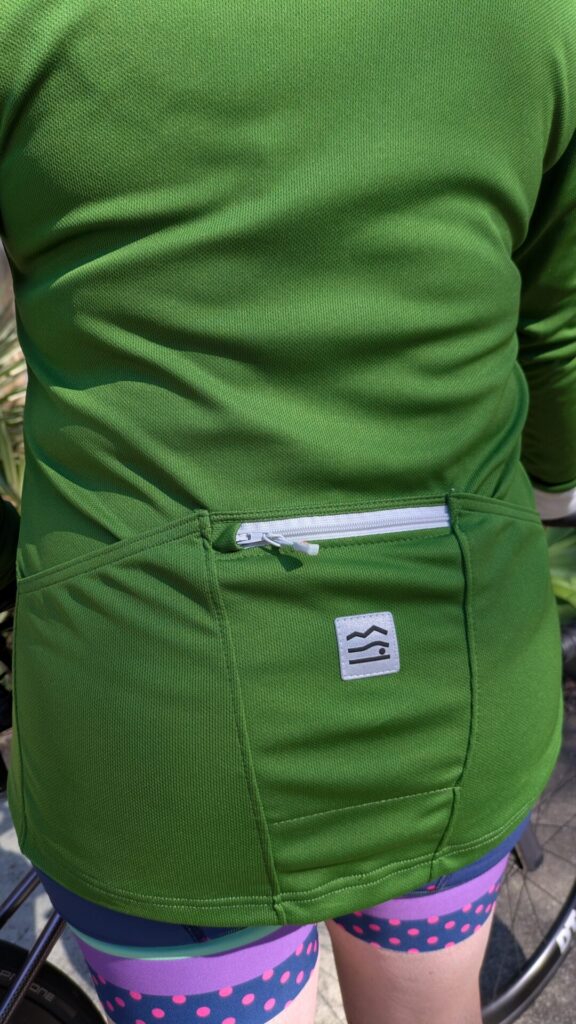
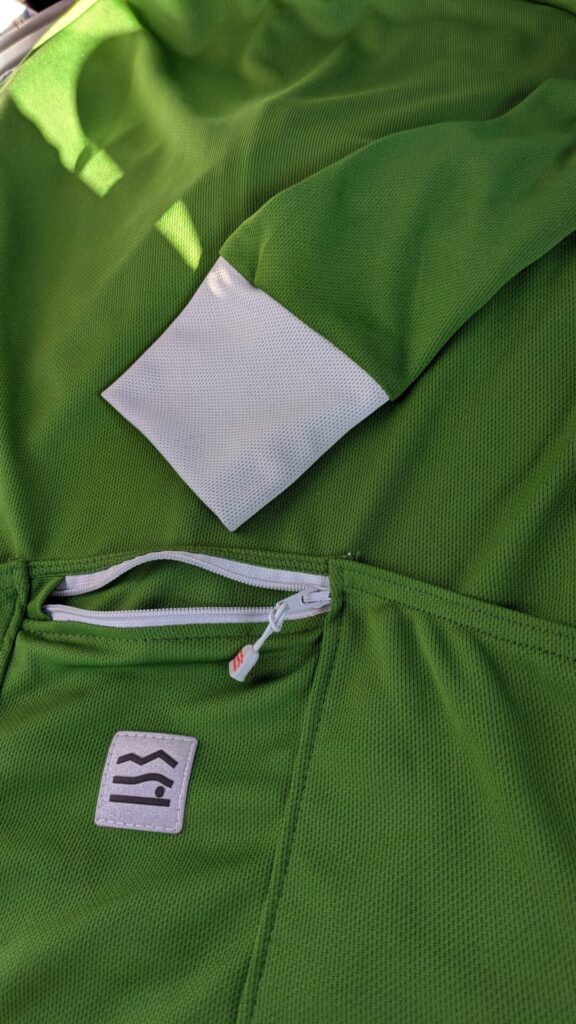
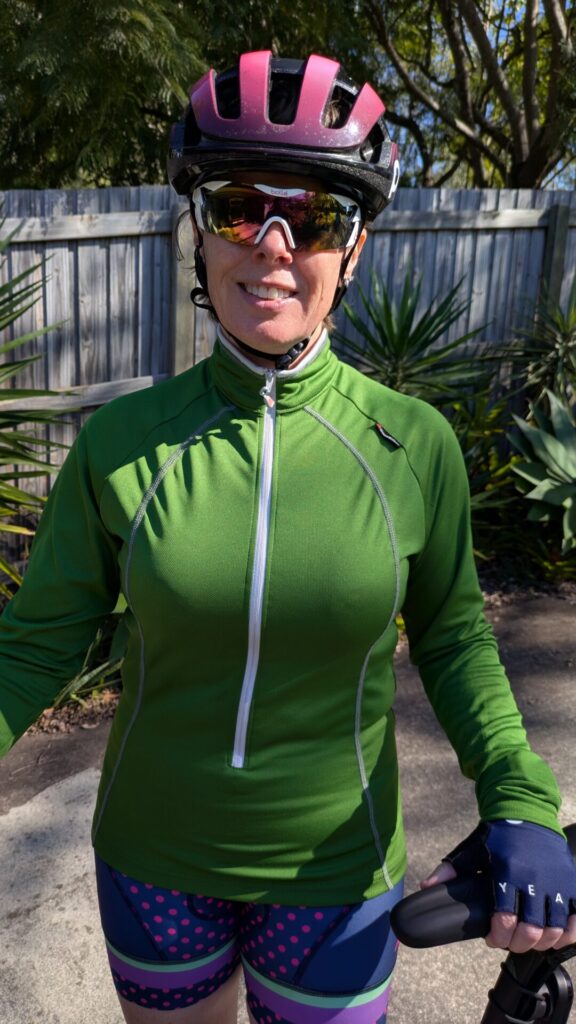
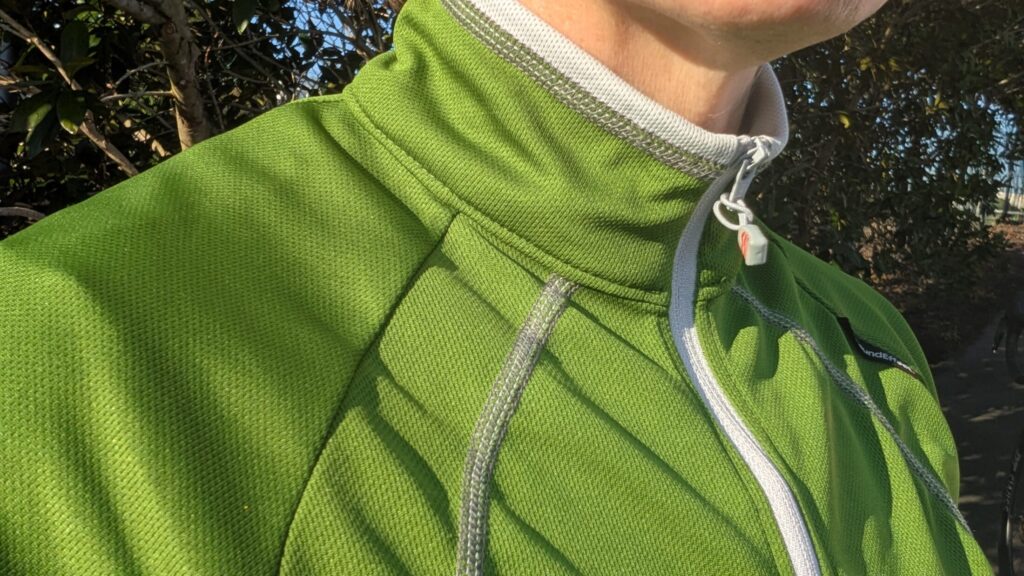
I am now a long-sleeved jersey convert! I normally wear short-sleeved lycra jerseys with arm sleeves for warmth and/or sun protection, so I can remove the sleeves if required, but I love the comfort of this jersey from Ground Effect – with no worries about arm sleeves that fall down or don’t provide full coverage. I have worn the Ground Effect Tip Top on a mix of short and long, all-day rides and am impressed with the fit, quality and features. The HyperActive material has UPF50 protection and dries fast – while the ¾ zip will be welcome as the humidity climbs.
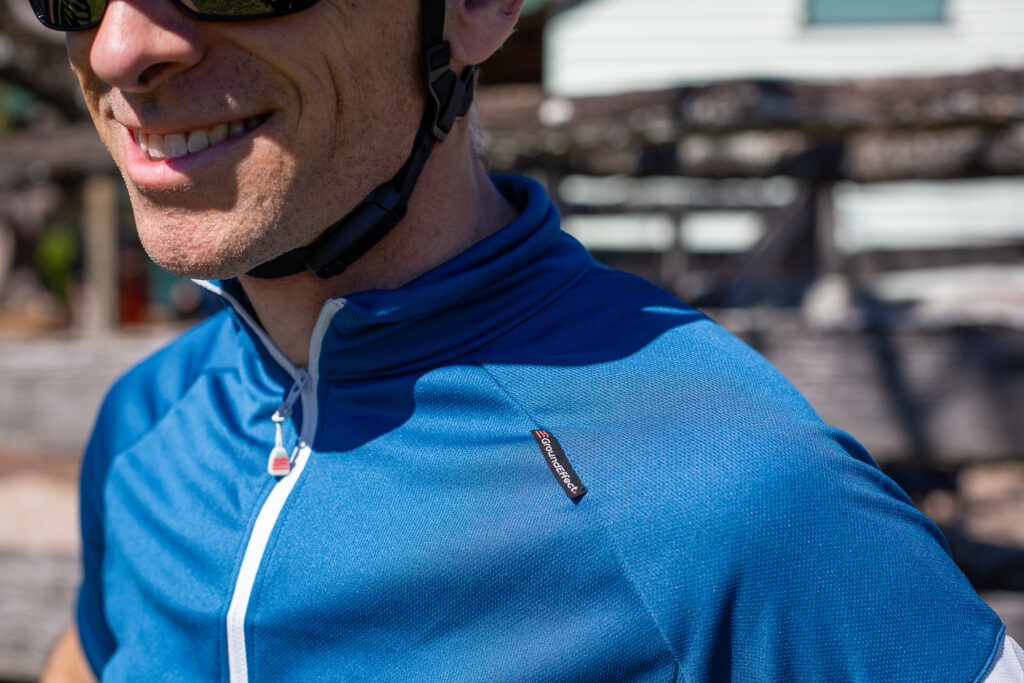
We also tested the Ground Effect Solaris and Flare
I struggle to find jerseys that fit me well, and the size 10 is just about right for me. The sleeves provide full-length coverage, right down to just past my gloves, making sure I don’t finish a ride with sunburnt wrists. The collar also provides great sun protection. The sizing allows for layering to combat the chill factor from early morning rides – a base layer underneath doesn’t impact fit and a popped a vest over the top on cool mornings.

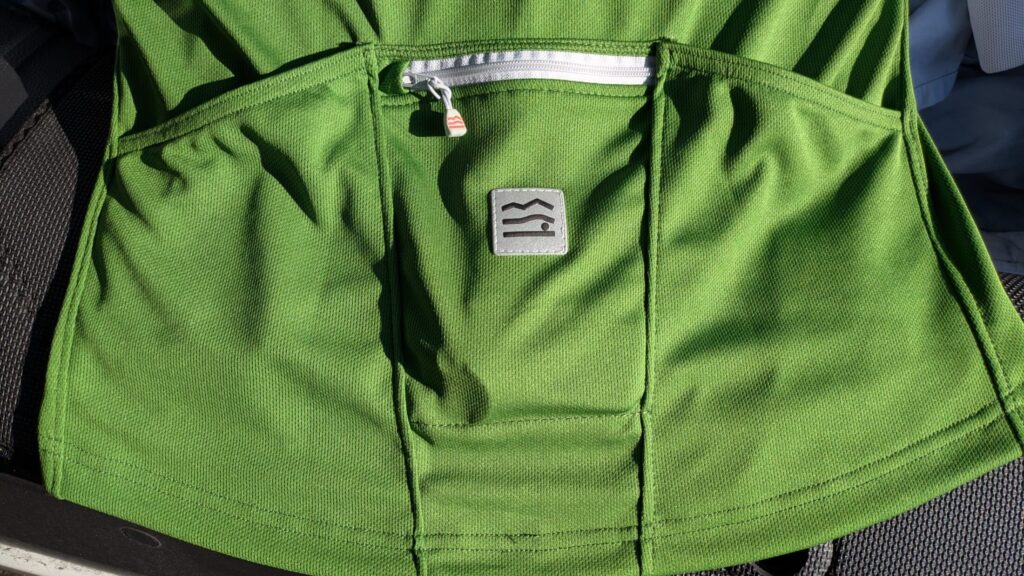
The quality and features are great, with rear pockets that are easy to access and are sized large enough to fit a bunch gels and nutrition, spare light, phone and sunglasses while zipped middle pocket safely stores keys and valuables. The reflective decal on the pocket is also a plus for safety while riding in dark and low light conditions. Even after a couple months of use and wear – it looks new and is wearing well. I’ve found my new favourite riding top!

Price: $131.34 (four colours now available)
Groundeffect.co.nz

BQ Members can score a free set of merino socks with their Ground Effect order – just login to the Portal to find out how via the Member Rewards section.
BQ Tests: Tern Orox cargo adventure bike

Tern Bicycles have become synonymous with small-wheeled cargo e-bikes the world over. While their range also includes folding bikes without pedal-assist, you are more likely to have seen riders aboard a Tern cargo e-bike. Whether they are doing a grocery run, the daycare drop off or taking a bikeway to work, the Tern e-cargo bike range has rapidly increased in popularity. Within Brisbane, Melbourne and Sydney, that growth is easily linked to the Lug+Carrie stores, who sell the Tern bikes but also have e-bike subscription packages. A subscription removes the cost hurdle for e-mobility, while also taking care of things like servicing and accessory swaps. Bicycle Queensland members can even save 50% on their first 2 months of an e-bike subscription, as one of many BQ Member discounts.

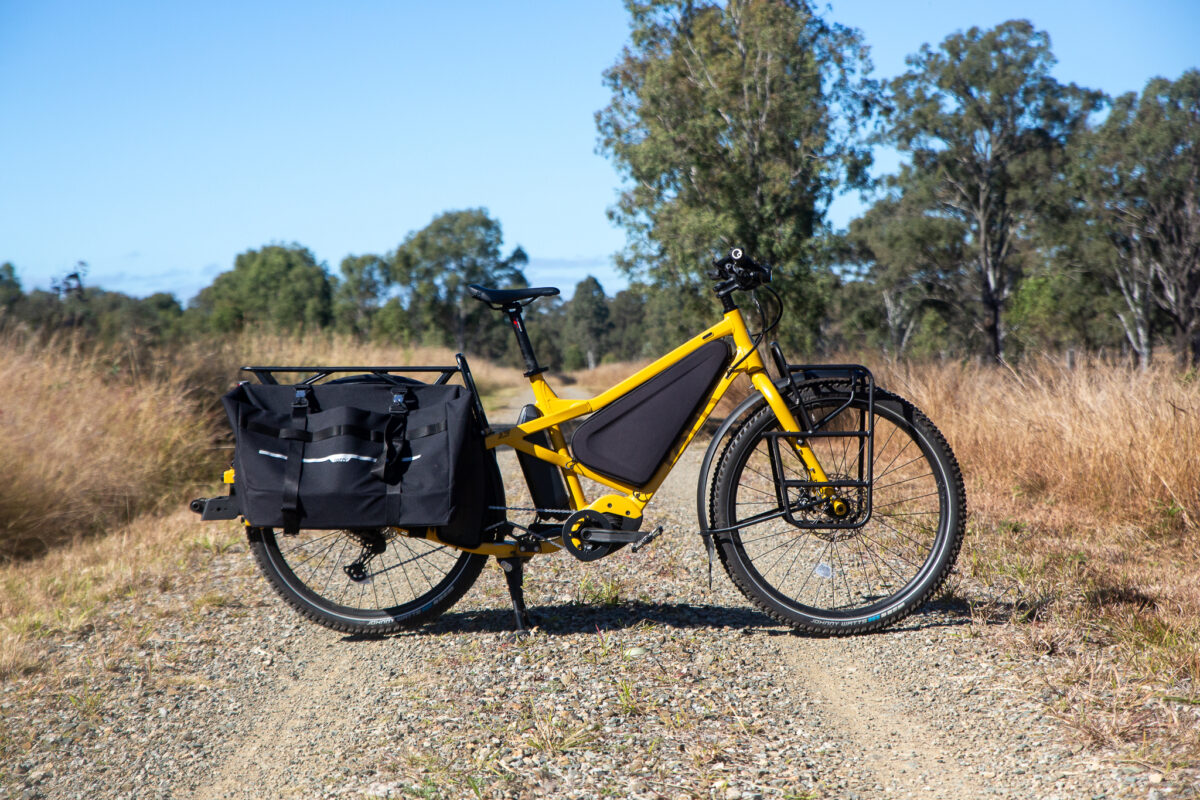
Last year Tern stepped out of their bread and butter small-wheeled e-bike range and released an adventure e-bike. The Tern Orox arrived as the bike that is ready to accompany you through the apocalypse. It has 29” wheels, a huge 210kg cargo capacity, dual battery capability, wired front and rear lights, mudgoards, wide-range 1×12 gearing and enough mounts for just about every accessory you could imagine.

Supported by the Bosch Performance CX Smart System, the Orox has 85Nm of torque and a peak power of 600W, while still meeting the normalised power of 250W maximum to be EN15194 compliant. There has also been a recent firmware update to boost torque to 100Nm and peak power to 750W. While these changes are likely targeted at e-mountain bikes, the higher torque and peak power will be well-received by any e-cargo riders. The bike retails for $9995, no small change but well within reason for a full-service e-bike to use for recreation and utility.

First look at the Tern Orox

I first took a look at the Orox in late 2024, while dropping into the Lug+Carrie store to have the BQ Office Tern Quick Haul appointed with a few new accessories. A quick spin around the streets showed how different it was to much of the current Tern range – as it handled more like a 29” wheeled-mountain bike. And that shouldn’t be a surprise. It has been marketed as an off-road adventure bike, and it is.

The Tern Orox comes equipped with a 100kg rated rack, long wheel base and design features to suit loaded riding off road or on. This bike can quickly navigate from being your daily driver to activating family adventures. There’s no need for the whole family to be on an e-bike when one rider can pilot the Orox. Whether you have a couple of kids on seats, or you carry the picnic equipment and everything else, the Orox can be loaded up like a modern day station wagon.

There is no denying it is a big bike, and with two batteries fitted (800Wh and 725Wh) and massive Tern panniers when I collected this bike for a few days of testing, the weight clocked over 35kg. Given the length of the bike, it’s not something you’re about to put in the back of your car. But you’re better to think about the Orox as a car-replacement.

I was going to be using the bike while at the Y2W event, a 3-day rail trail adventure that Bicycle Queensland was running along the Brisbane Valley Rail Trail. The huge battery capacity meant I probably wouldn’t need to think about charging the bike over 3 days, and the cargo capacity would make it easy to have spares and supplies to help out any riders, and place or collect a few extra signs to improve the signposting around a few hazards on the route. As a purely off-road ride, it would also be a chance to see how well a brand known for their urban utility bikes could transfer to a wilder environment.

As this bike was a demo from Lug+Carrie, it did have a few differences from stock, including having the pannier bags fitted, and a phone mount was supplied instead of the Kiox head unit. The Bosch LED remote still gives all the control and data required for modes and battery life.

On the rail trail

While my first ride was commuting back to the office from Lug+Carrie in Woolloongabba, the next was climbing up the BVRT from Linville, through a frosty valley to put out some essential signs for the gullies on the event route. Riding on the gradual incline, the predictable support from the Bosch CX system was like an old friend. This is a very reliable system, and using the EMTB mode I could have access to up to 340% support when I was pushing hard on the pedals, with a lower level of support when just turning the pedals over. It’s a really great mode to give you the extra boost when needed, while not taking off like an unpredictable rocket ship when you put some pressure on the pedals.

As a rigid bike, and a heavy one at that, you do notice rougher terrain. But the riding position and contact points means the bike is ready to be ridden like a mountain bike. Get out of the saddle and let the bike move. This is so different to Tern’s other bikes, which are primarily designed around being one size fits most and navigating urban infrastructure. The slacker head angle, wide bars and long wheel base means that the Orox responds to rider input in a completely different but appropriate manner – spot your line, level the pedals out of the sit and push through the rougher section and carry on!

In terms of handling, I appreciated the ergonomics of the setup, from the Ergon saddle and grips to the 800mm wide low rise handlebar. The Orox comes in two sizes, which should cover riders from about 155-195cm. I was on the large and at 178cm all I would have changed would be perhaps a stem with 10mm less reach.

Unlike a commuting type e-bike or cargo e-bike, being able to ride the Orox more dynamically is what makes it work so well off-road. Even with a loaded pannier bag (on one side only) it was balanced and confident. What makes a bike like the Orox, or many other high end e-bikes, stand apart from cheaper e-bikes is the how complete and considered the spec is. From custom rolled double-wall alloy rims, to heavy duty 2.6” tyres and some big, 4-piston Magura disc brakes with huge 203mm rotors. Given the load rating (max gross vehicle weight) on the Orox of 210kg for on-road, and 180kg for off-road – proper brakes, tyres, wheels and gearing are a must-have, and something Tern clearly considered.

If you go straight to the marketing, Tern suggest the Orox is for ‘exploring new ground’. Again, compared to their popular bikes like the Quick Haul or GSD, the Orox is leaps and bounds ahead for all-terrain use, especially considering the capacity to have two batteries (as I did) allowing potentially over 300km of range, depending on mode use and system weight.

So does it help for exploring new ground? I think within the bike type, that’s a resounding yes. I didn’t even tickle the edges for load carrying capacity on the Orox over a few days of riding. And while I did ride a few tighter trails, I didn’t get the opportunity to rail singletrack on the Orox, or test it out with 27.5 Plus wheels, or loaded with a couple of kids on it. Or with a bike on the optional hitch, so you can tow another complete bike.

But, BQ Member Hayden Wright did many of those things when he reviewed a Tern Orox for Australian Mountain Bike – so you can watch his review for his take after a longer term and more varied test.

Our take

The Tern Orox is relatively new to Tern and Tern dealers around Australia. As a cargo e-bike with proper off-road capability, the Orox plays in a very limited market. While the Orox was a near ideal partner to assist on our event on the BVRT, that’s just one string in its bow. The Orox is just as capable for loading up with a couple of kids for the school run, or even taking your partner for a night out on the town if you opt for an accessory like the Captain’s Chair. You could attempt a family bikepacking weekend like a loaded pack horse, or just fill panniers with the weekly shop. The Orox can easily cross between being a commuter, car replacement for a young family and a vehicle to support outdoors adventure – all in one purchase.

There are a few things to consider though. Firstly, it is a big and heavy bike to move around. That includes changing direction from where you park it. I was happy enough lifting it up to move it, but you need room for three-point turns, especially if loaded. This is not a bike to sneak down the laneway and over a few steps into your garden shed behind your townhouse or terrace house. Similarly, if your bike adventures are often further afield, you will need to consider how you get there. I had to lower the passenger seat in my long wheel base car van (Citroen Berlingo LWB) and use a loading ramp and some persuasion to get the Orox in. Another option may be a motor bike rack but the overall length will need to be checked once carried across your vehicle.

For some, these won’t be concerns. If you see the Orox as a daily driver that is your car replacement and best friend for activating adventures from your front door – it has few peers. While it may prove more cumbersome in some ways compared to its small wheeled bretheren, for those who want more offroad capacity, be it for parkland, gravel roads or rail trails – the Tern Orox is well worth investigation.

RRP: $9995
From: Lug+Carrie

BQ Tests: Ground Effect Baked Alaska
If you’ve ever turned up to a group ride, trailhead or bike tour and spotted a few riders already kitted out in Ground Effect gear — you’re not imagining it. The New Zealand-based company has built a loyal following over 30+ years, and not just across the ditch. Here in Queensland, you’ll often see their understated but well-loved kit at BQ events, on rail trails, and just out in the wild being used and abused.
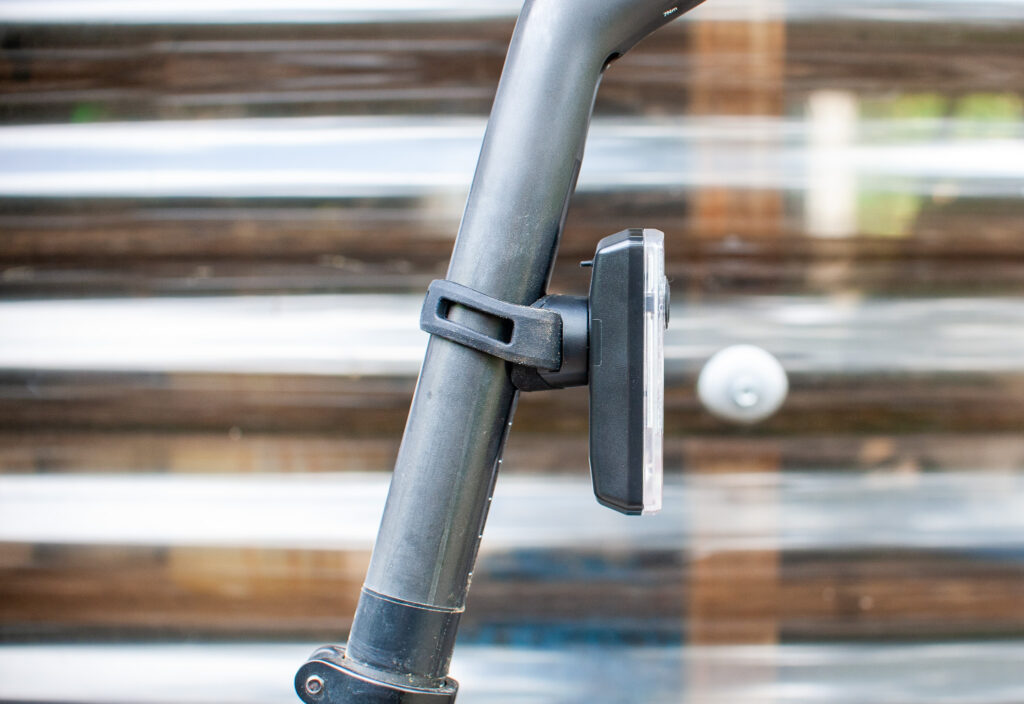
Ground Effect design and manufacture all their clothing in Christchurch, NZ – not in a high-volume, low-cost offshore factory. So every item they make needs to earn its place, and every feature of said item needs to be justified. And when they get it right (which they often do), riders hang onto their kit for years. That longevity is part of the brand’s DNA — excellent fabrics, clever design, and no unnecessary frills.
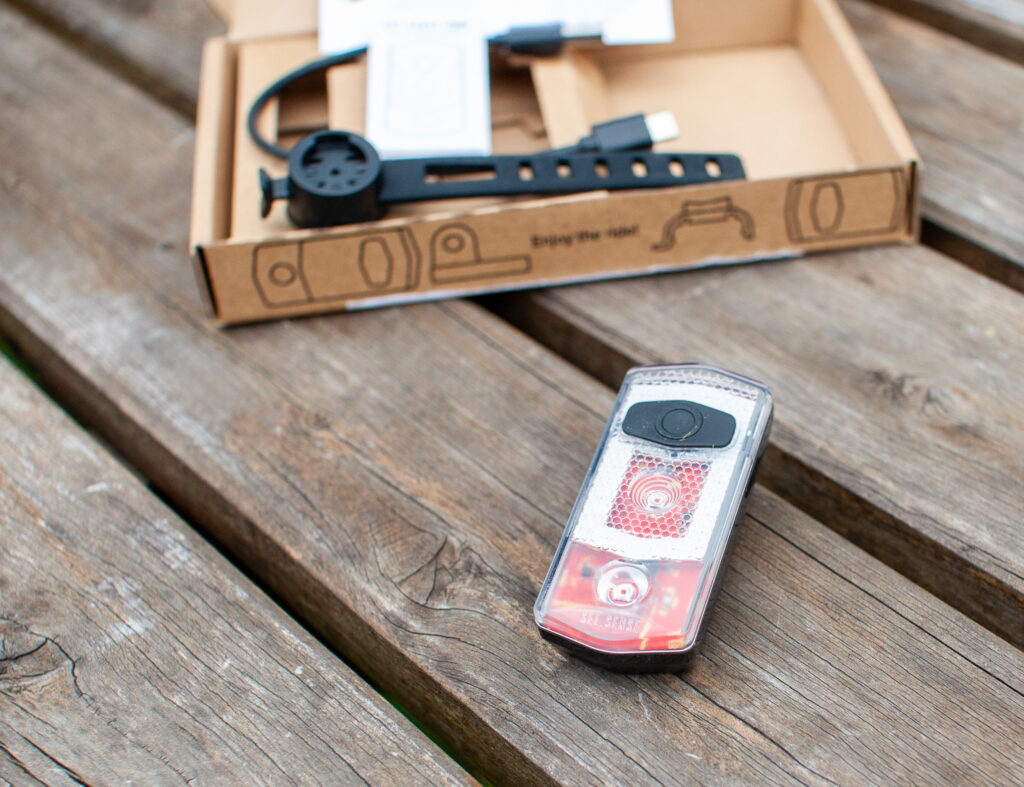
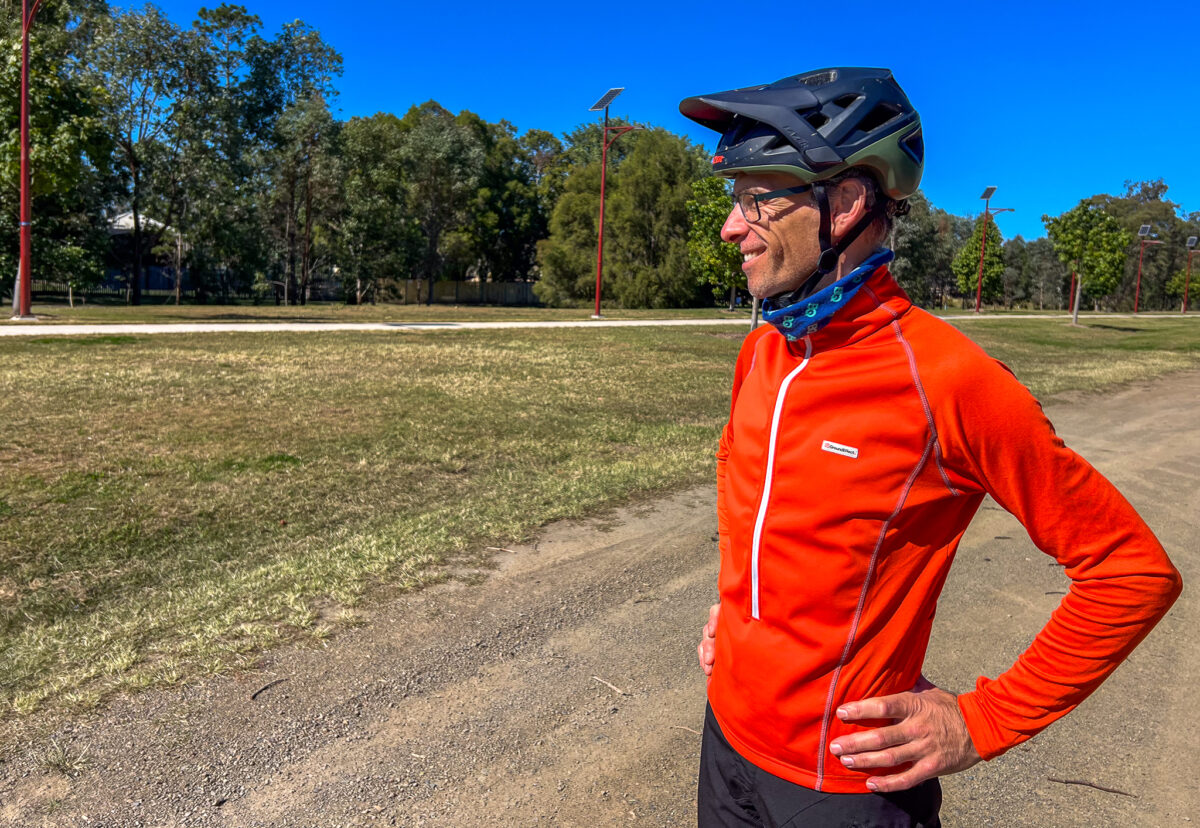
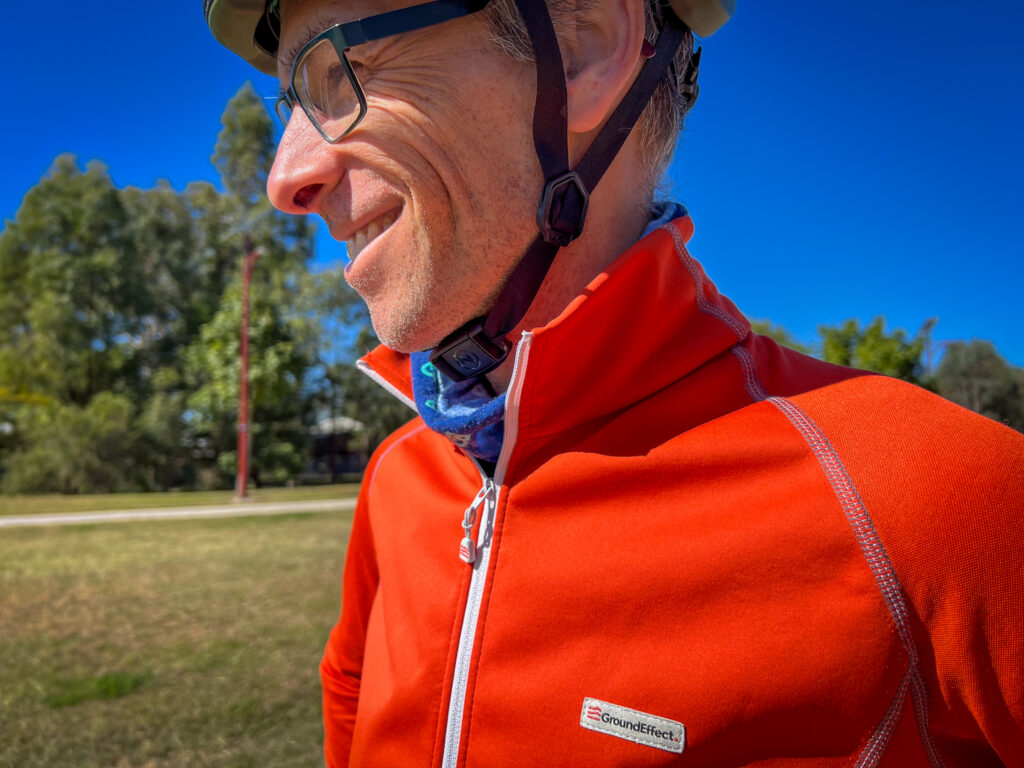
The Baked Alaska long sleeve is a winter riding staple. It combines a finely knit merino wool fabric with a windproof front panel and a high collar, delivering the warmth of a vest with the convenience of a riding jersey. It’s the kind of top that makes you wonder why more winter gear isn’t made this way – warm where you need it, and breathable where you don’t. Beyond the Burnt Orange shown, the Baked Alaska comes in Cobalt Blue and Dark Royal. Ground Effect also produce the The Popsicle, the same garment but in a women’s fit and sizing, and also available in three colours.
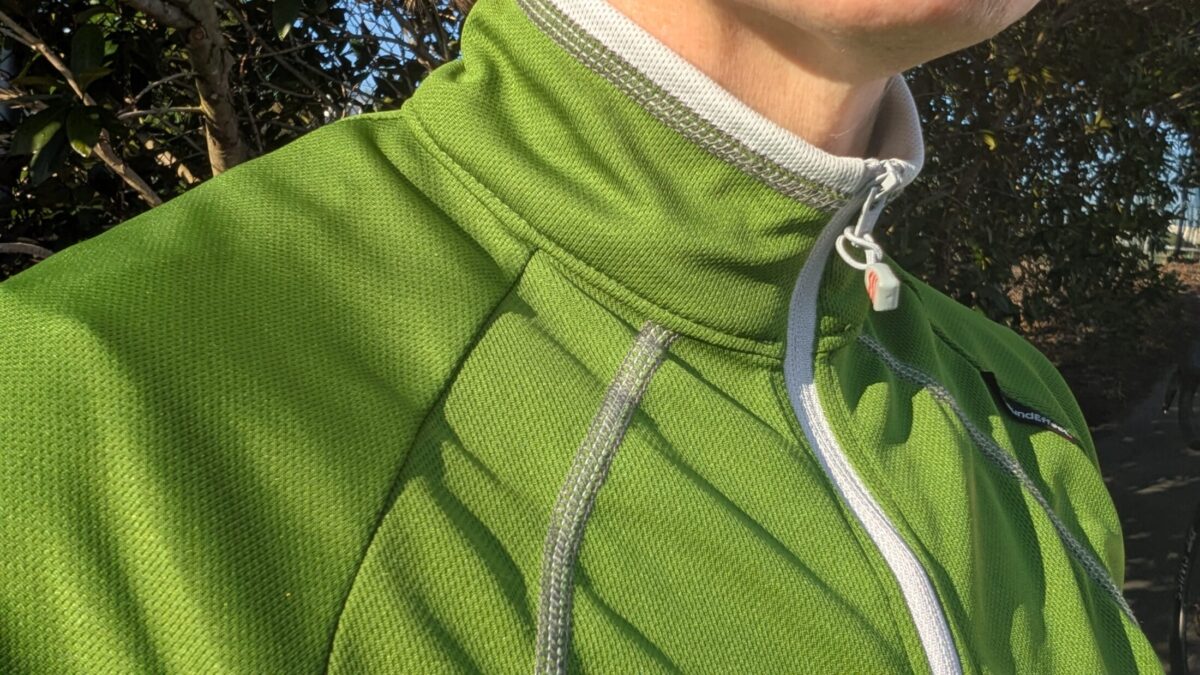
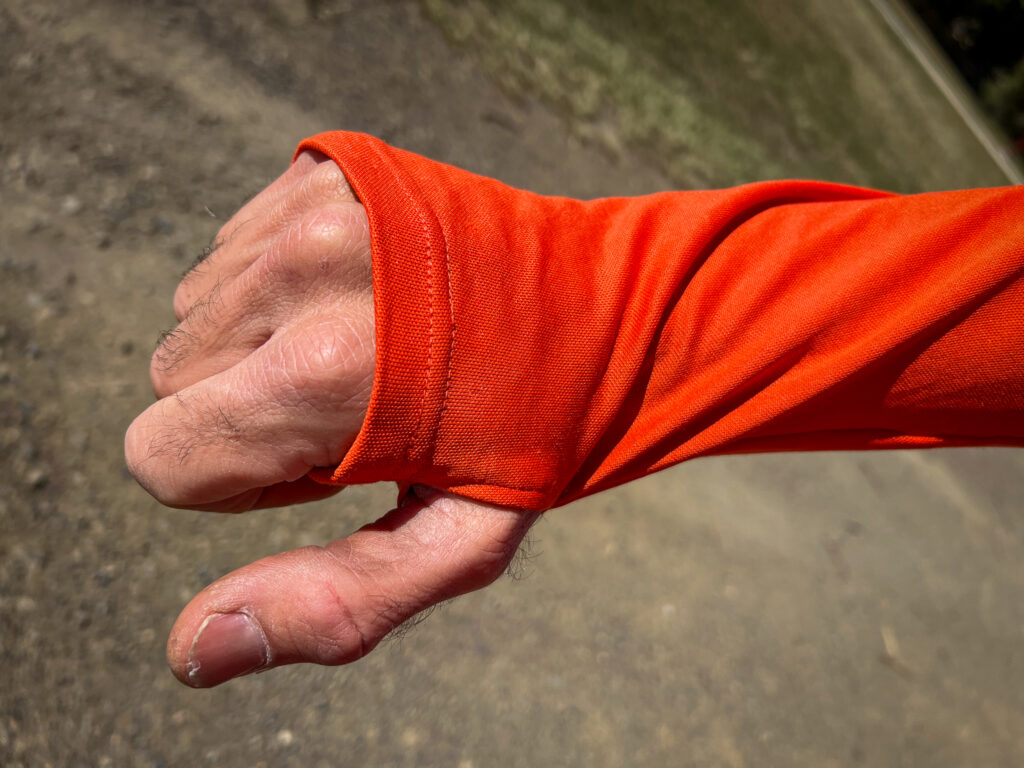
The cut isn’t a spray-on racing fit making it perfect for layering. Whether you’re pulling it over a base layer, under a jacket, or wearing it as-is on a brisk morning, the Baked Alaska plays well with others. Thumb loops help keep sleeves in place under gloves, and the ¾ front zip offers a quick way to vent heat once you’ve warmed up.

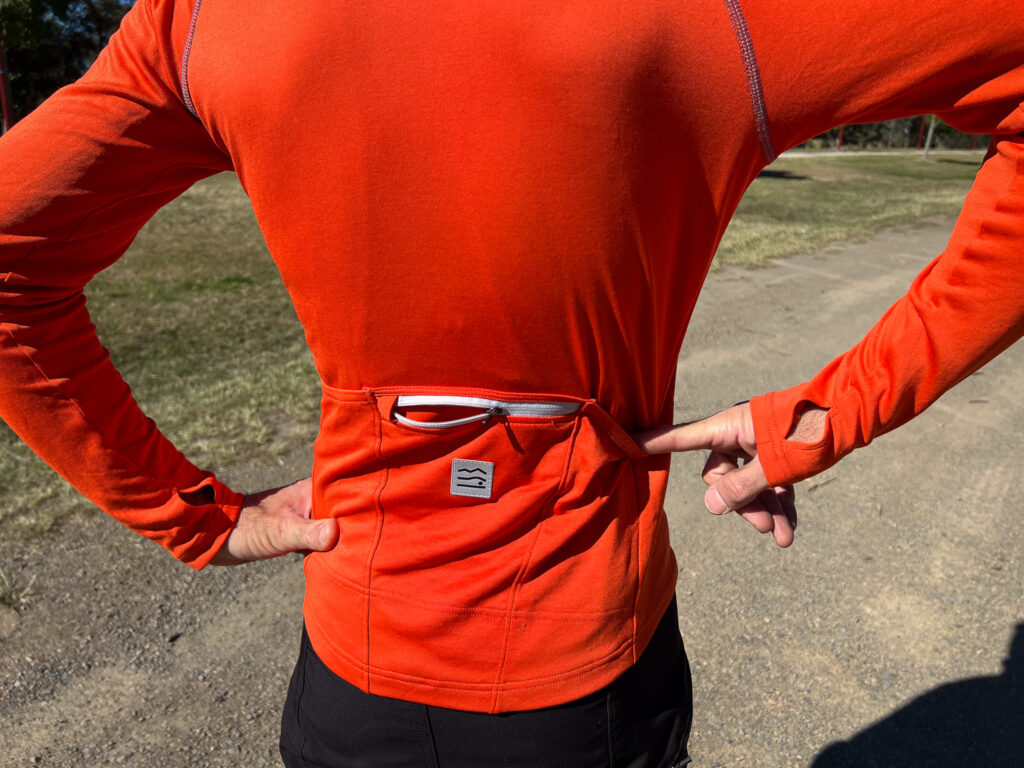
As for storage, there’s a well-placed zippered central pocket (ideal for valuables or snacks) flanked by two traditional jersey-style rear pockets, making it just as functional on the bike as it is warm and comfortable.

Riding in the Ground Effect Baked Alaska
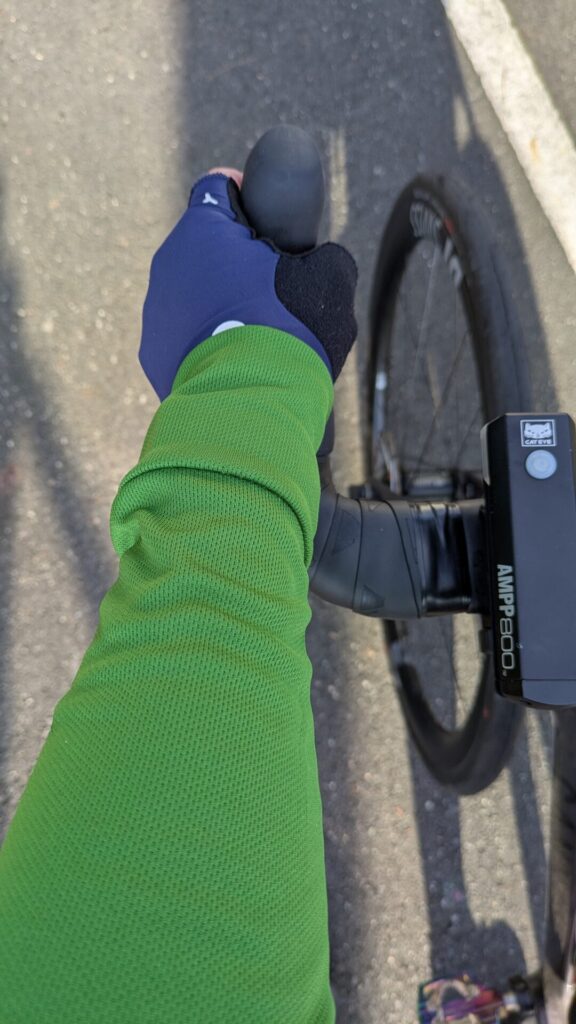
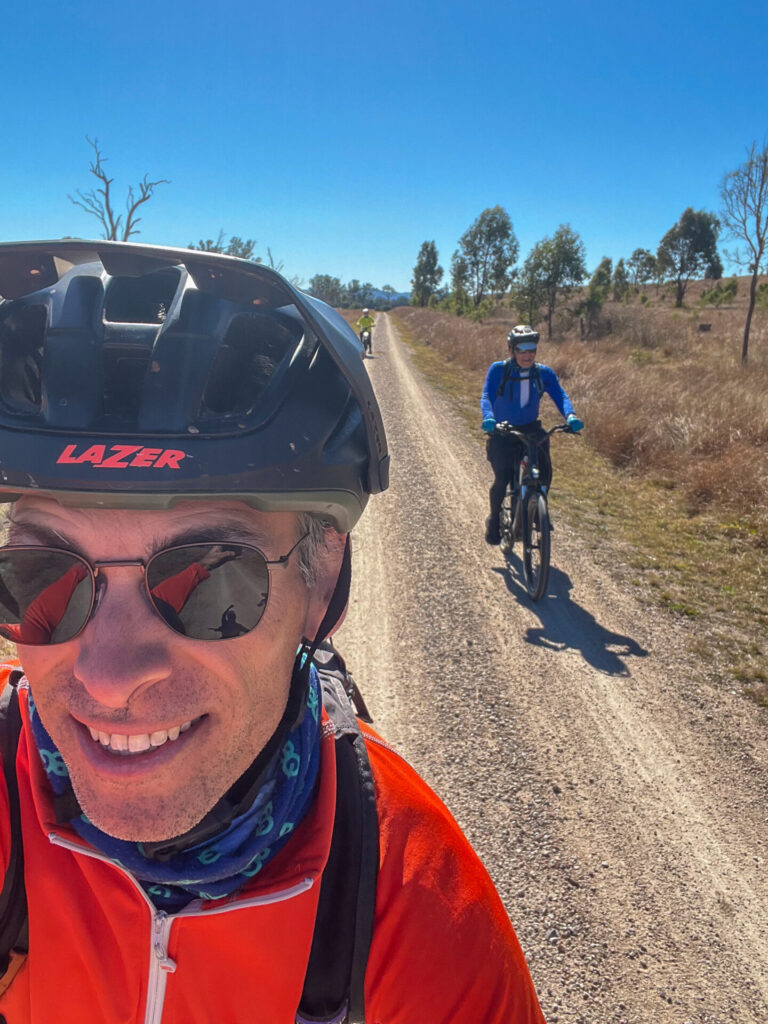
Dressing for a Queensland winter can be tricky. Over the last few weeks I’ve rolled out when there has been a frost, and ended the same rides as the mercury nudges 20 degrees. This means layering, and choosing the layers, is essential. Across different rides, I paired the Baked Alaska with no under shirt, either a short or long sleeve undershirt, and even with a light shell over the top to cut wind – plus my BQ Neck Gaitor of course. This helped cover the complete range of temperatures, and while using the jersey alone close to 20 degrees was warm, the merino fabric is highly breathable, and I was happy to have the long sleeves for the sun protection.

In short, it’s the kind of winter top that earns a permanent place on the gear hook. No flashy logos, no gimmicks — just quiet, hard-working performance from a company that’s been doing that for decades. If you’re after something for the warmer months, you’ll have to check out our review of the Ground Effect Solaris and Flare.
$182 AUD/ $199 NZD
groundeffect.co.nz

Bicycle Queensland members receive a free pair of merino wool socks ($NZD35) with any purchase. Login to the BQ Portal for details.