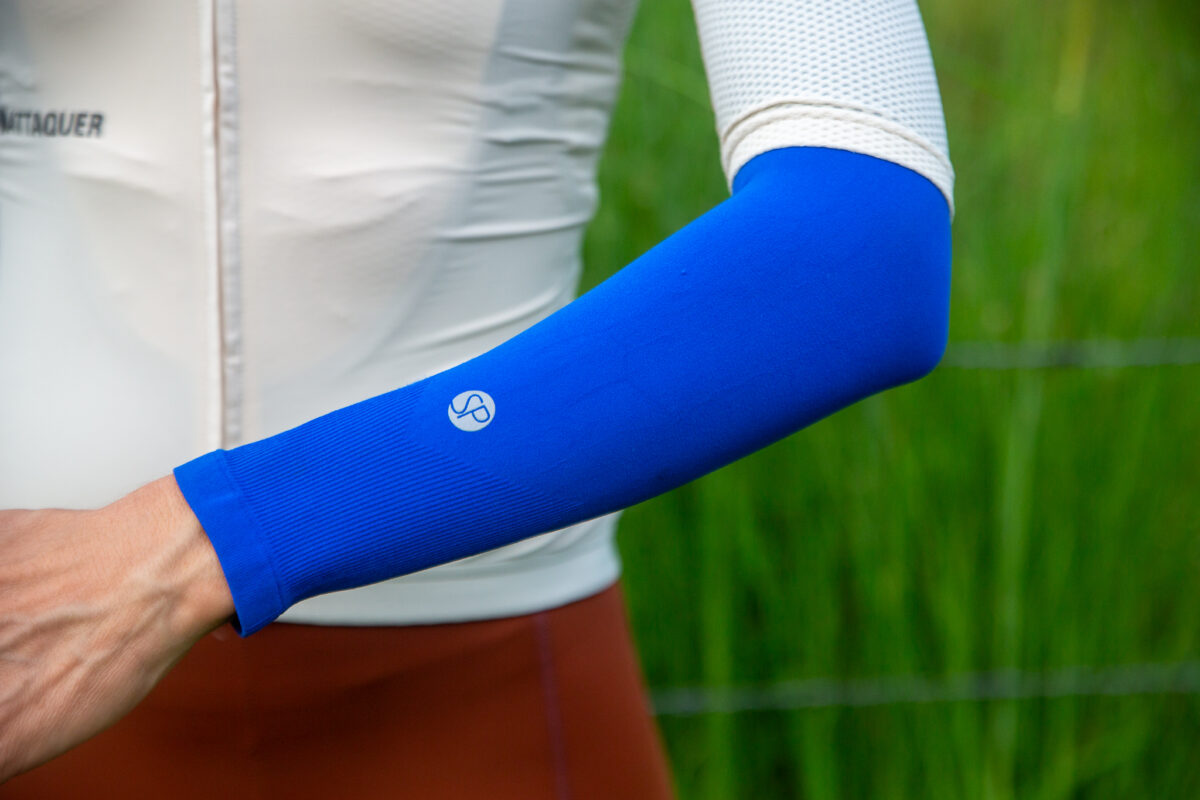
SP arms are a local company based on the Gold Coast providing high-quality sun protection garments to lovers of outdoor sports from cycling to tennis. Their range of UPF 50+ garments include arm sleeves, leggings, leg sleeves, body shirts, gloves and shoulder wraps.
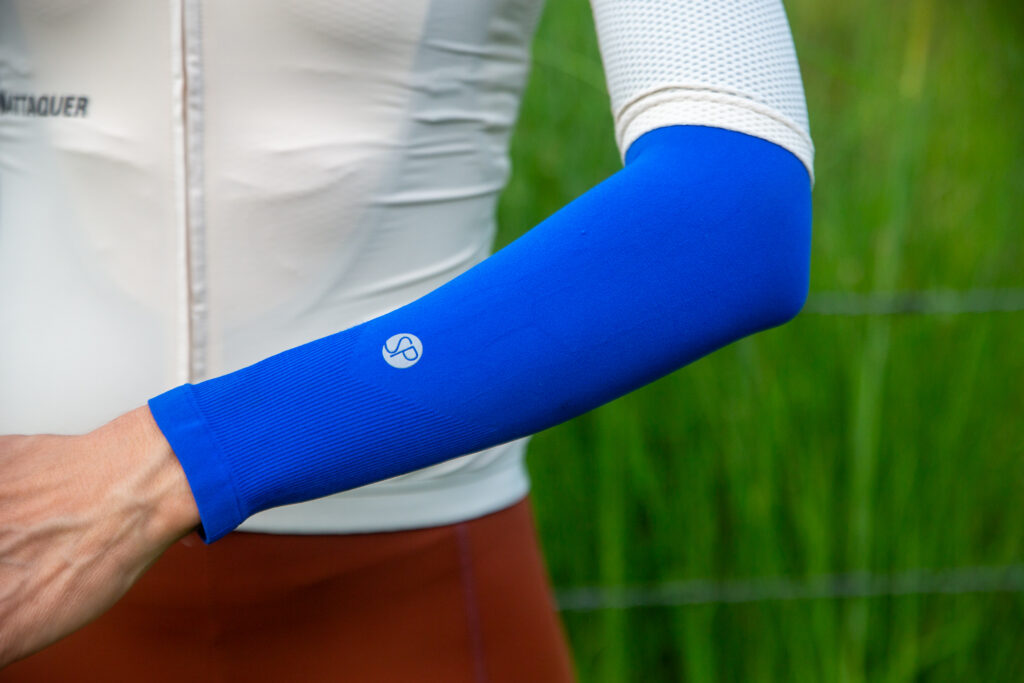
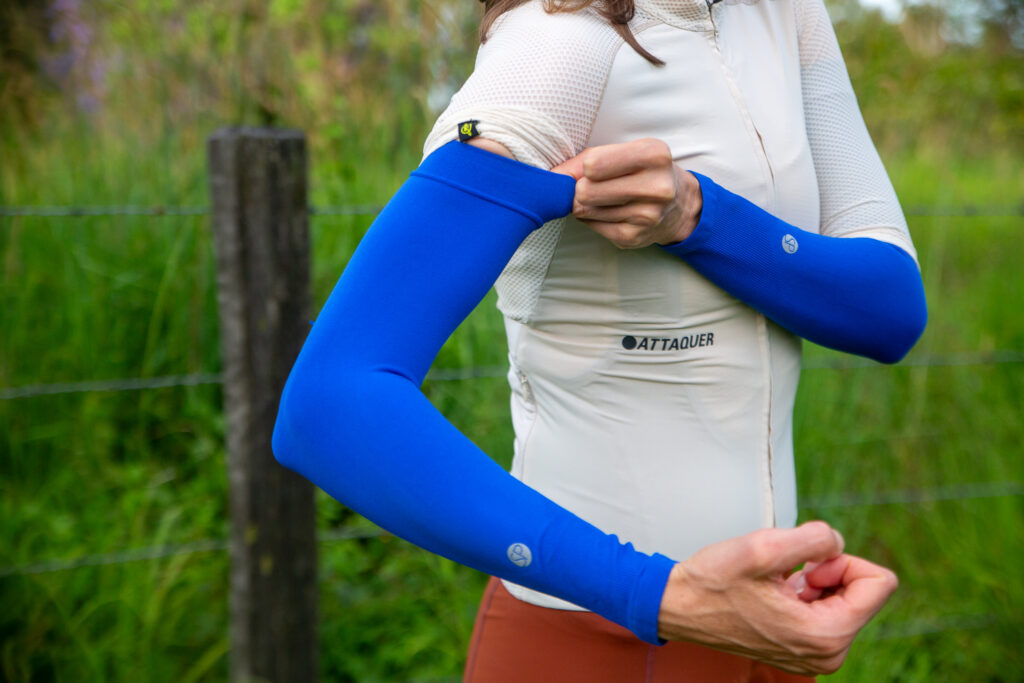
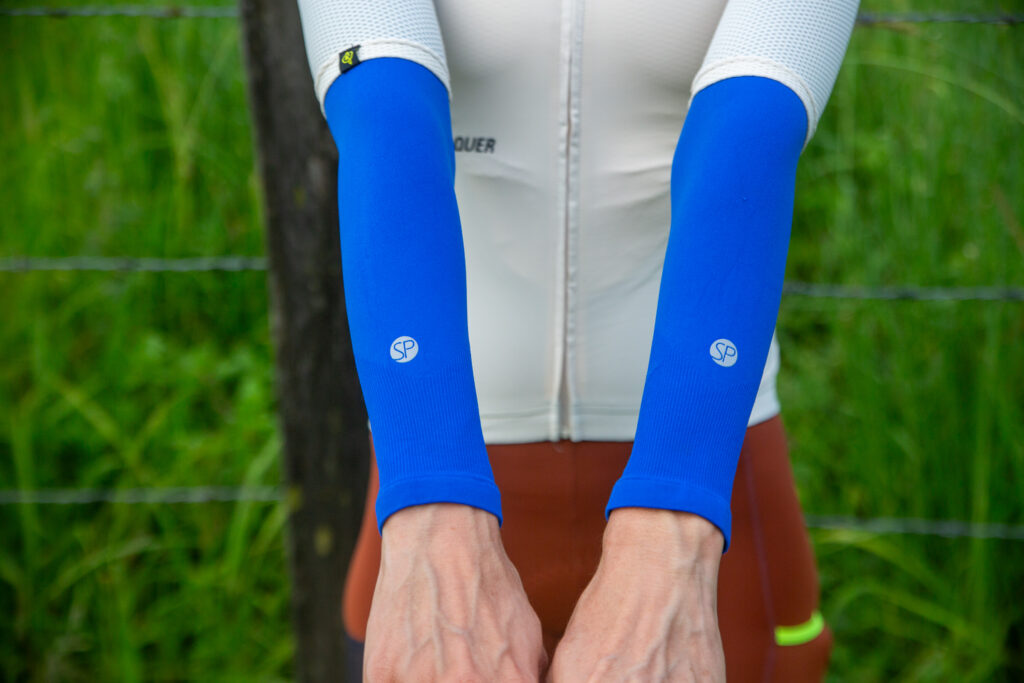
I first tested the Everyday sleeves, which come in one size. Featuring a slight compression fit, these are super stretchy and despite having very long, thin arms, fit me really well, with no sign of slipping down under my jersey like winter arm warmers so often do.
They felt reasonably cool to touch when on, and in really hot conditions I found wetting them down with a bit of water really helped keep me cooler. Additionally, on chilly mornings these provide a basic additional layer that helps a little with the cold before the day warms up.
Being impressed with this product, but after some black arm sleeves, I thought I’d try SP arms Original sleeves using my BQ member 20% discount. Unlike the Everyday sleeves, these are a sized product, and the staff were really helpful in offering me advice on what size to buy when I called them up. The Original sleeves are super stretchy and made from an incredibly soft, thin meryl microfibre and spandex blend that is cooling to touch. They also fit supremely well, like a second skin, with sufficient length to protect my wrists.
Compared to the Everyday sleeves, Originals felt lighter and cooler. The Everyday sleeves were stretchier and I liked the compression fit, although ultimately my Originals fit more snugly around the wrist because I was able to buy them in a tiny XS size. Everyday sleeves were more versatile, however, offering a little more protection from cold in variable weather.
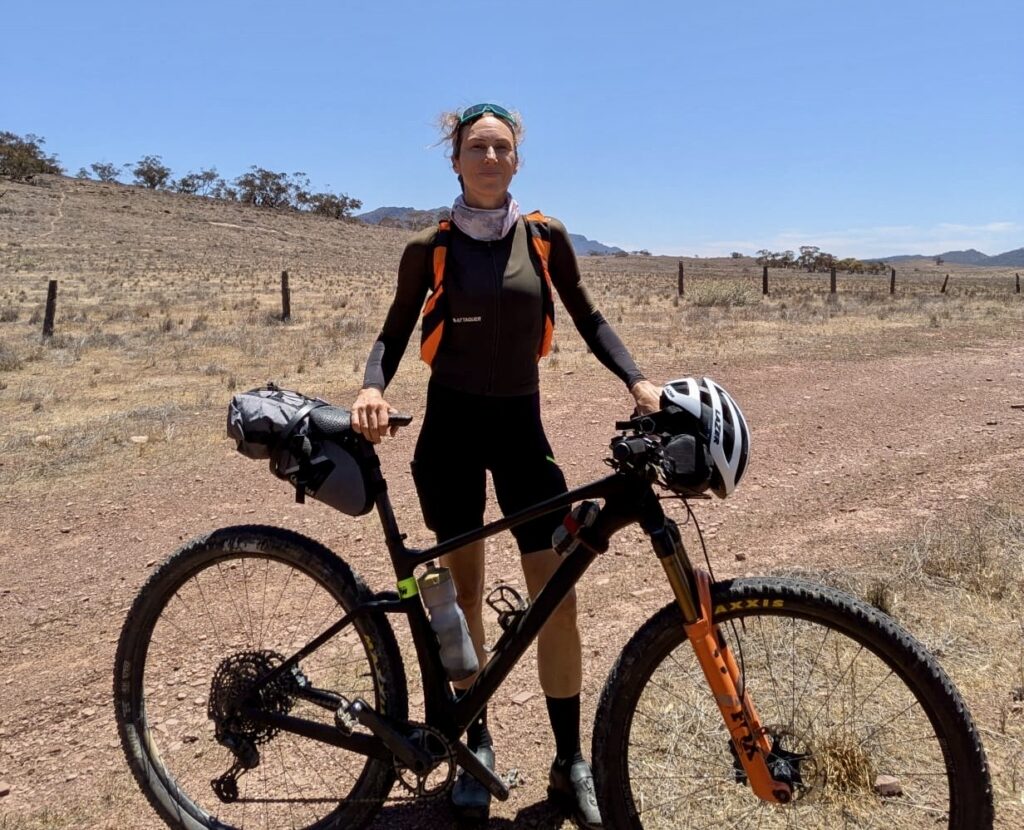
The Originals were an essential companion when riding the Mawson Trail in South Australia.
The Everyday sleeves weigh 36g, and the Originals a mere 24g, perfect for bikepacking if you like to keep things ultralight. Both dry extremely quickly and are easy to wash out at the end of a day’s riding. Being just 24g, the Originals are also my pick for packability when pocket space is at a premium.
Designed, tested, and certified UPF 50+ in Australia and made in Korea, both the Everyday and Original SP arms come in a huge range of fun colours, as well as neutral shades like white and black. With their base on the Gold Coast, shipping is lightning fast and products come in a handy little ziplock pack that doubles as a riding wallet.
Ground Effect have been thriving for 30 years now, creating sensible, practical, and thoughtful clothing for riding in all weather conditions. After years protecting riders from wind, rain, and cold, Ground Effect have always protected riders from the sun too – the Rock Lobster long-sleeve jersey has been one of their most popular items for years. Recently, Ground Effect have expanded their range of clothing to protect us from the sun.
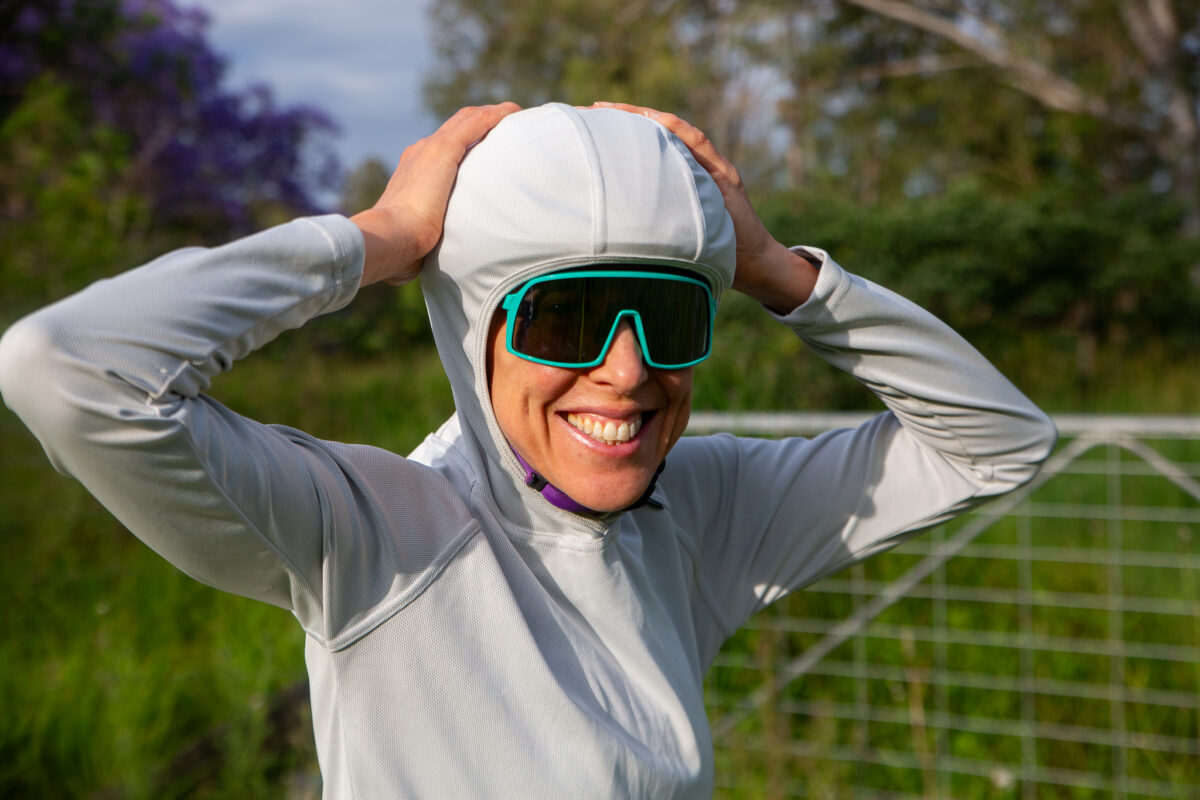
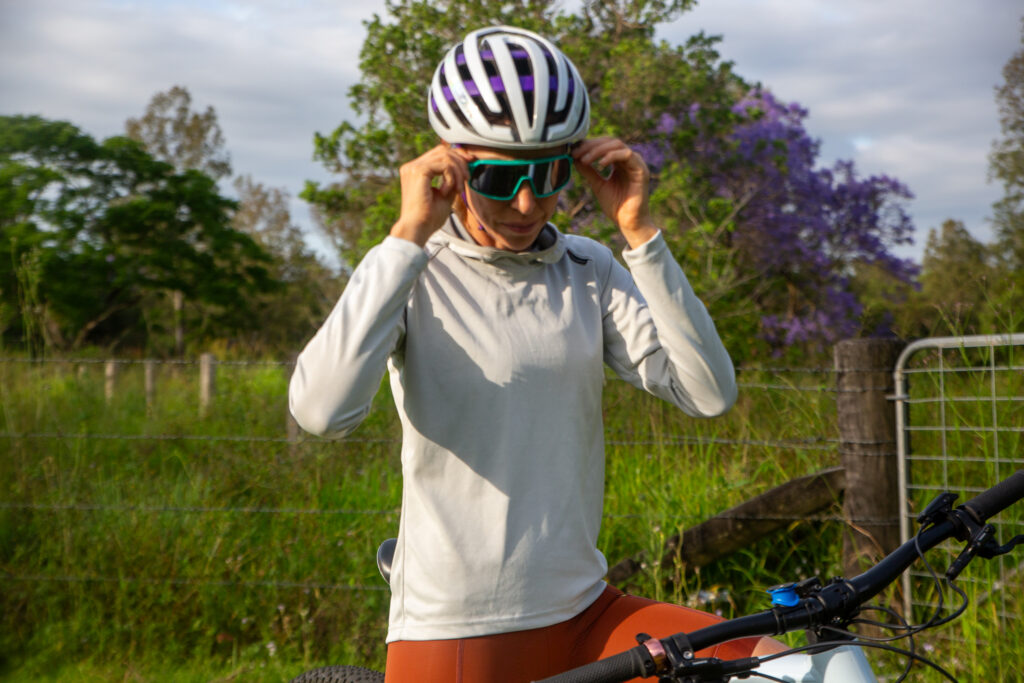
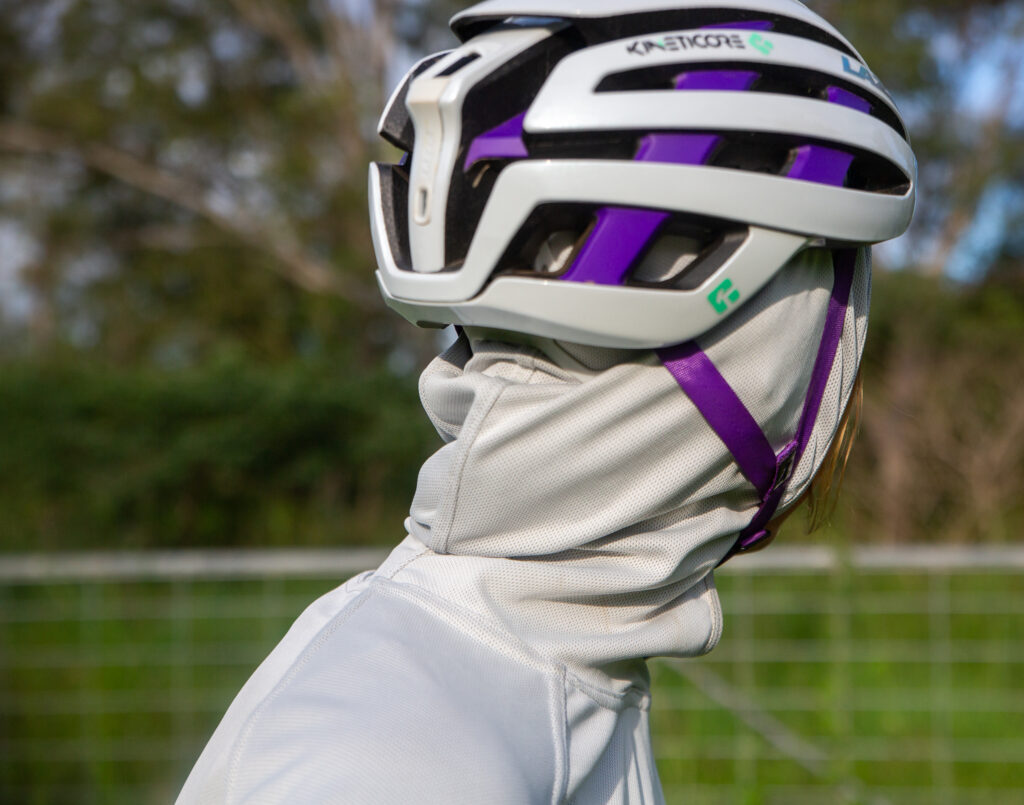
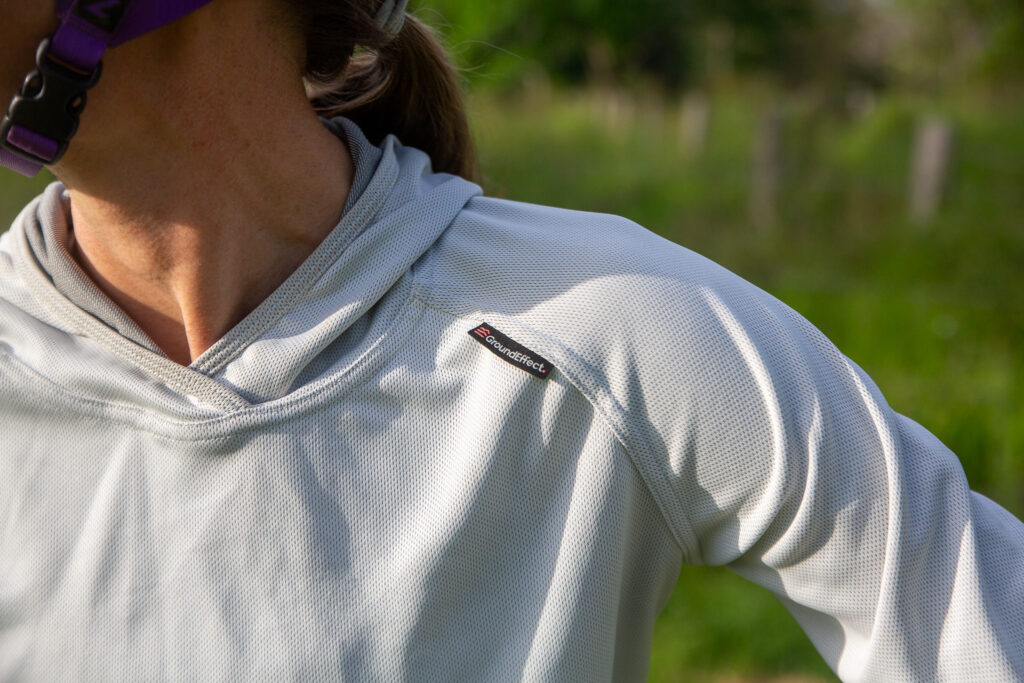
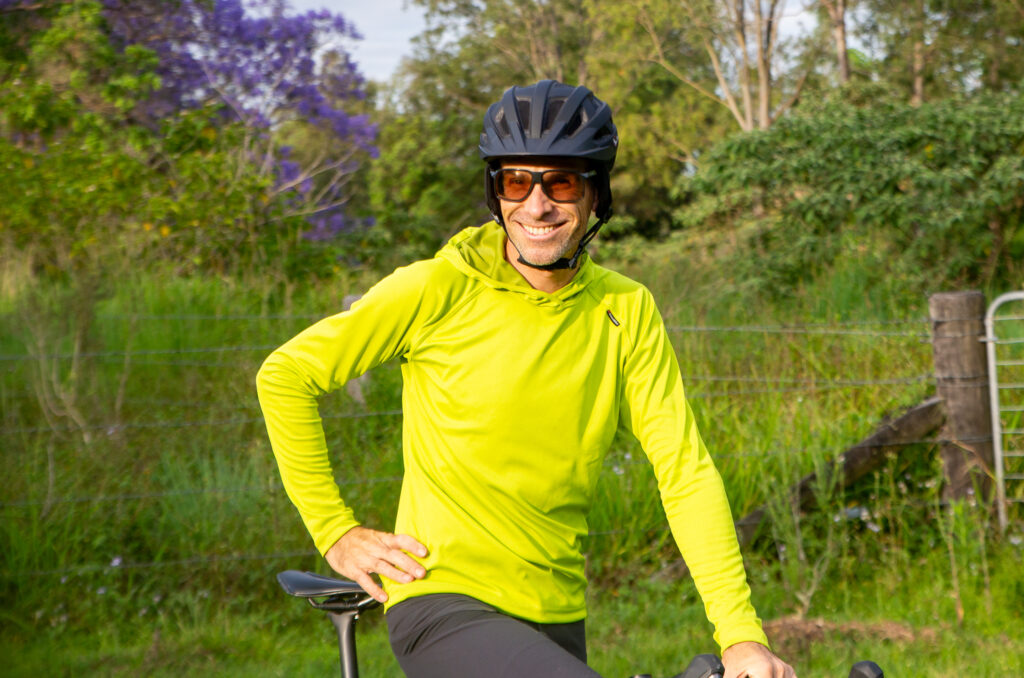
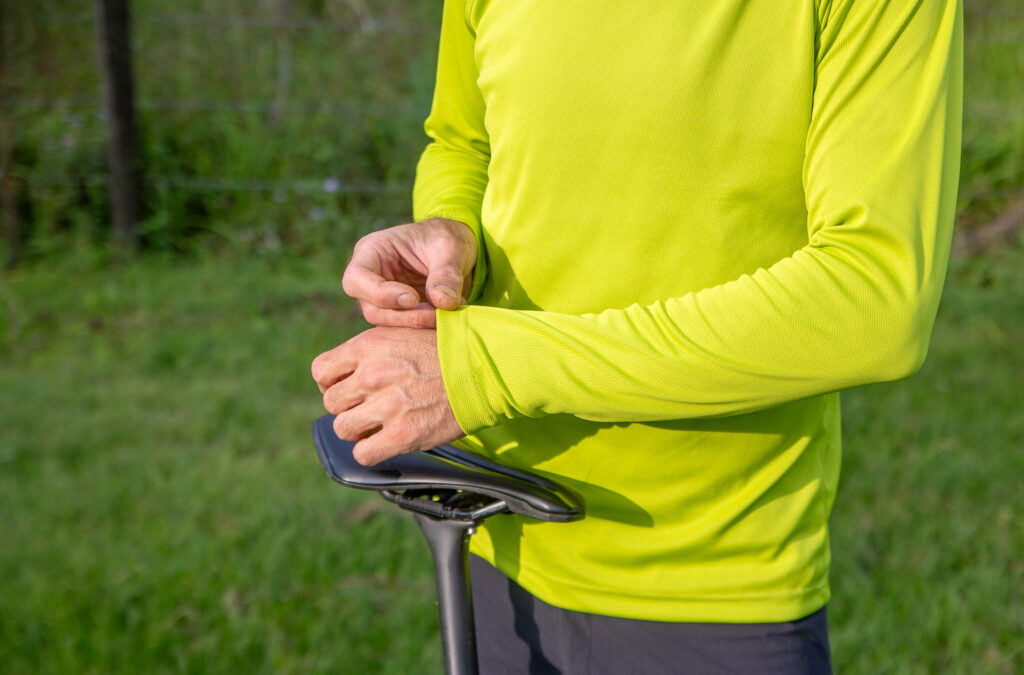
The Flare long sleeve top is notable for its simplicity – it’s a free-fitting, zipperless top with no pockets or fancy features except for a cowl-neck hood and a reflective rear logo – but it does its job with flair (see what I did there?).
You see, the hood, worn down, will protect your neck from the sun. Then you can wear it either over or under your helmet, depending on your preference. And while it’s true that with it worn over the helmet I did look a bit like a Teletubby, it really did protect my neck, ears, and face from UV rays, and (hidden bonus), riding the Brisbane Valley Rail Trail in peak swooping season, kept me protected from the odd beak and claw jab as well.
Ground Effect put a huge amount of thought into fabric selection. The Flare is made of UPF 50+ HyperActive™ fabric, which is cool to touch and features a layer of nano-charcoal polyester against your skin, which makes it incredibly fast drying and anti-microbial. The top floats freely and feels cool.
I was so impressed with the flare that I ordered a second one for both me and my partner, and I’ll be wearing it in the outdoors all summer – bonus – being a BQ member, I scored a free pair of summer merino Foot Soldiers socks with my order!
The Ground Effect Solaris is the men’s version of the Flare, and shares all the same features and materials. It proved to be just as popular as the Flare, and a second item was quickly purchased. Given the cut and feel of the material, both the Flare and Solaris have become popular additions to active wardrobes, just as useful for hiking in, as well as being outdoors in general – anytime some extra sun protection is needed.
Even on hot days, the Flare and Solaris work very well – but on the very humid days at low speed, they can feel a bit warm. Although we’re yet to find anything truly comfortable for those sticky, humid summer days.
Made in Aotearoa|New Zealand, the Flare weighs 180g.
Avoiding being swooped by magpies is an annual challenge for bike riders, walkers and e-scooter riders. There are numerous ways that people try to avoid getting swooped by magpies, and a couple of them even work! At Bicycle Queensland, we will always suggest that if your route is dangerous for any reason, the first choice for a rapid change is to see if you can change the route you take – and this works for magpie swooping season as well. That won’t always be possible, and there are a number of products available that claim to deter magpies from swooping.
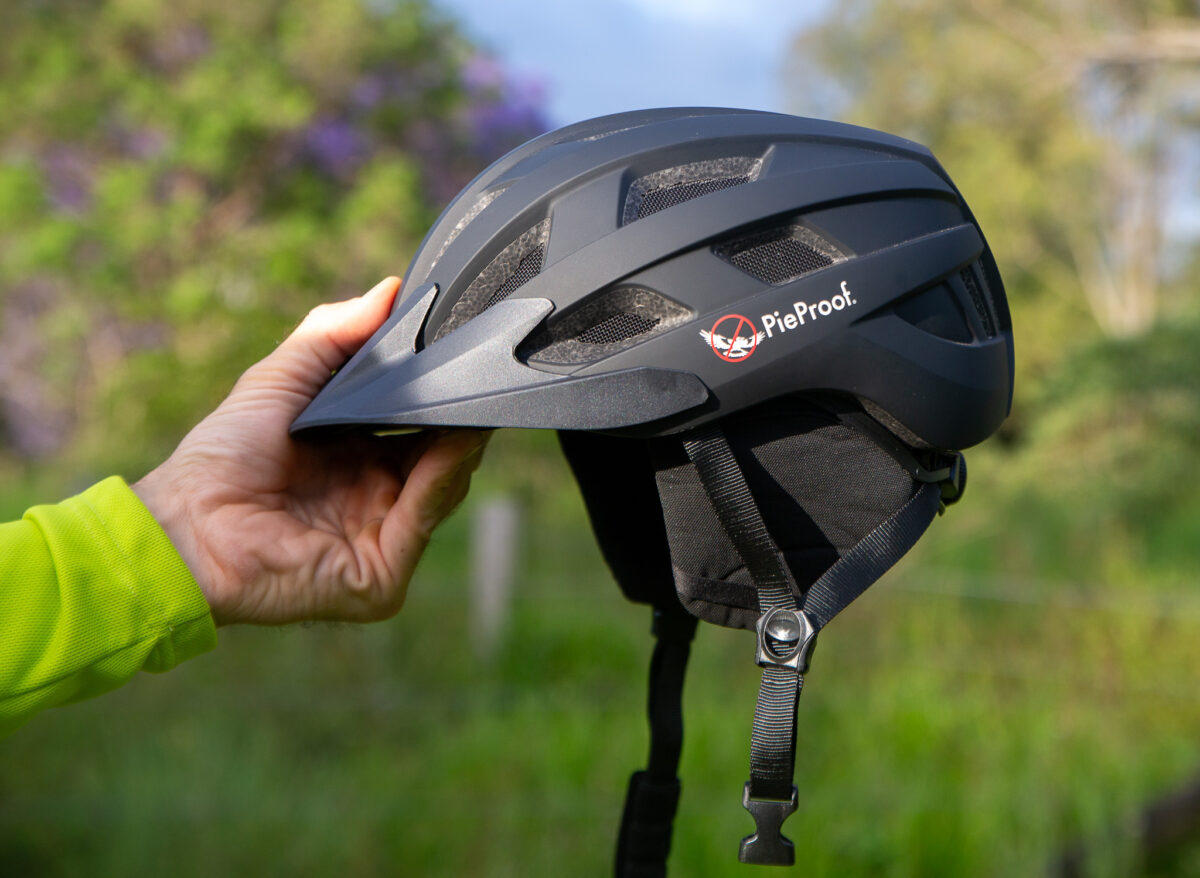
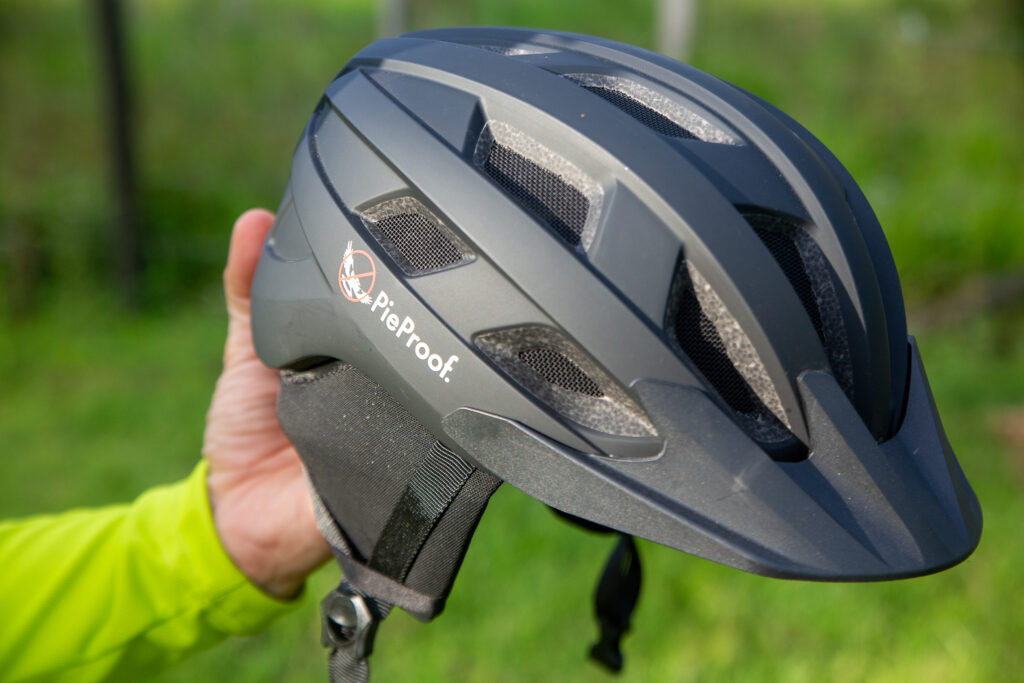
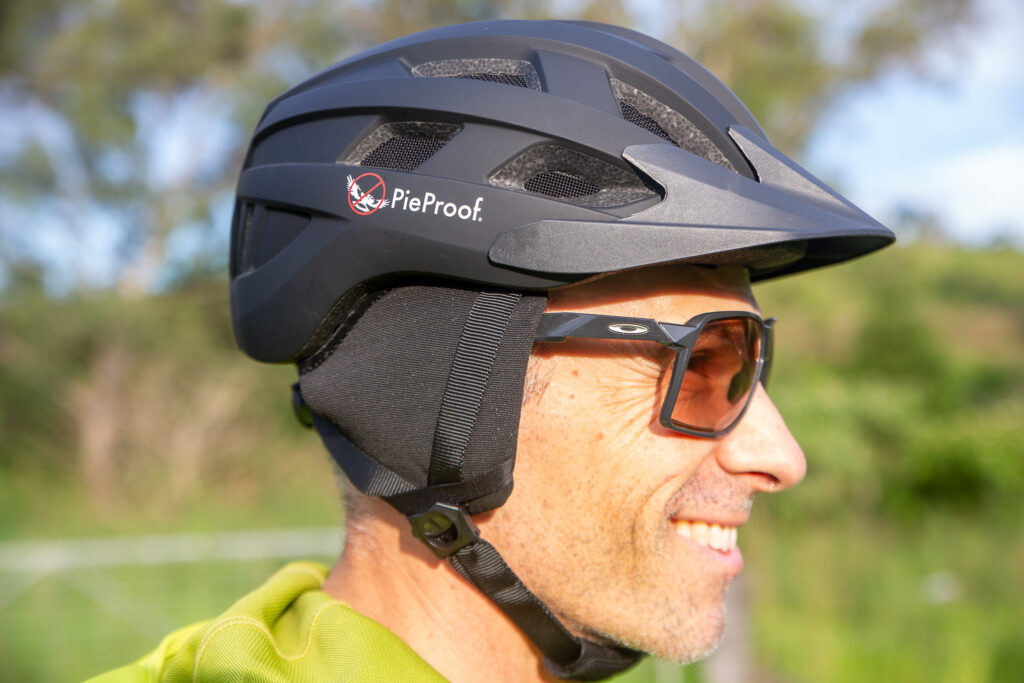
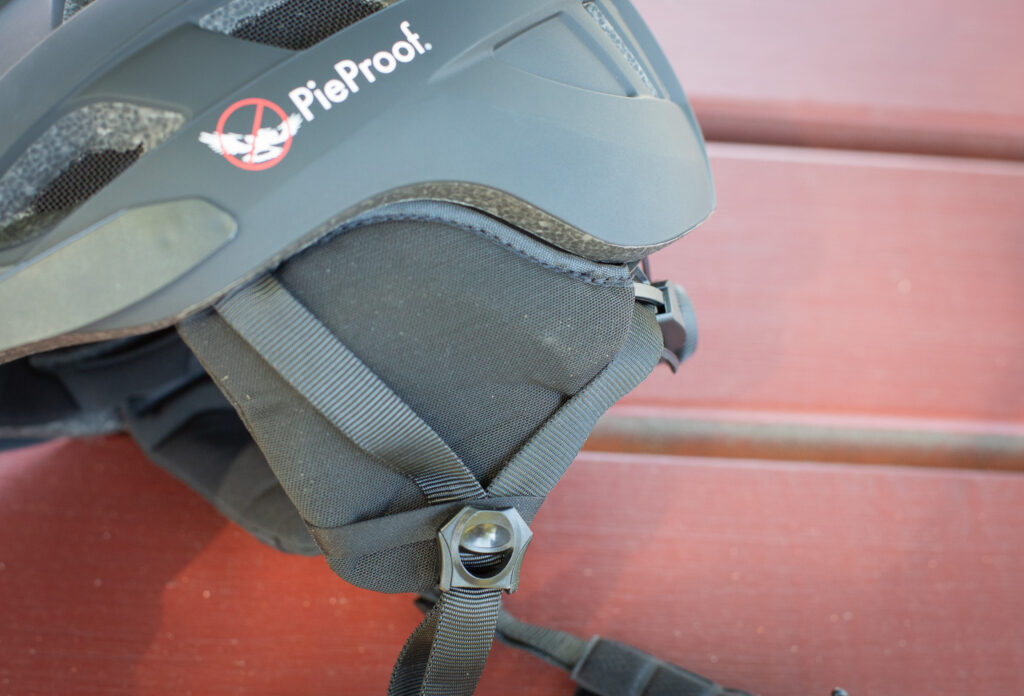
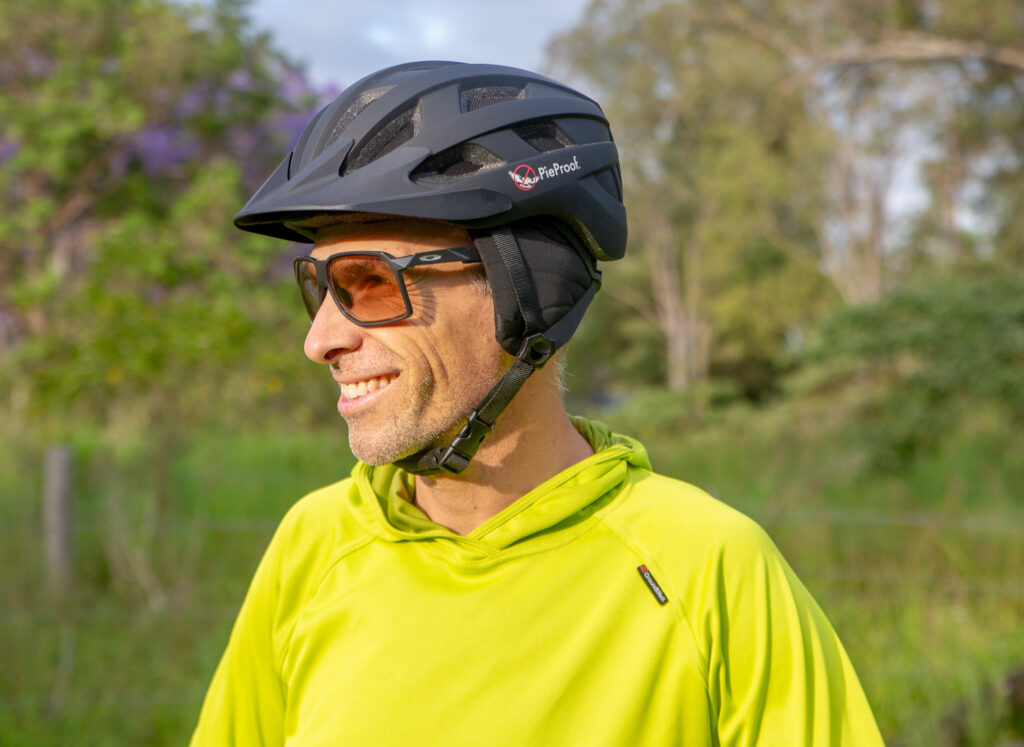
PieProof helmets are an Australian company, with a helmet that does not intend to directly prevent a magpie from swooping you. Instead, it aims to make sure you don’t get injured. Magpie injuries can involve a small cut to your ear – but the larger danger is losing focus on riding your bike. The PieProof helmet has lightweight padded mesh ear covers, to protect your ears from the beak of a magpie. The vents have a fine mesh that prevent a magpie holding onto your helmet – and handily they keep bugs out as well. The removable visor also adds some more protection for your eyes.
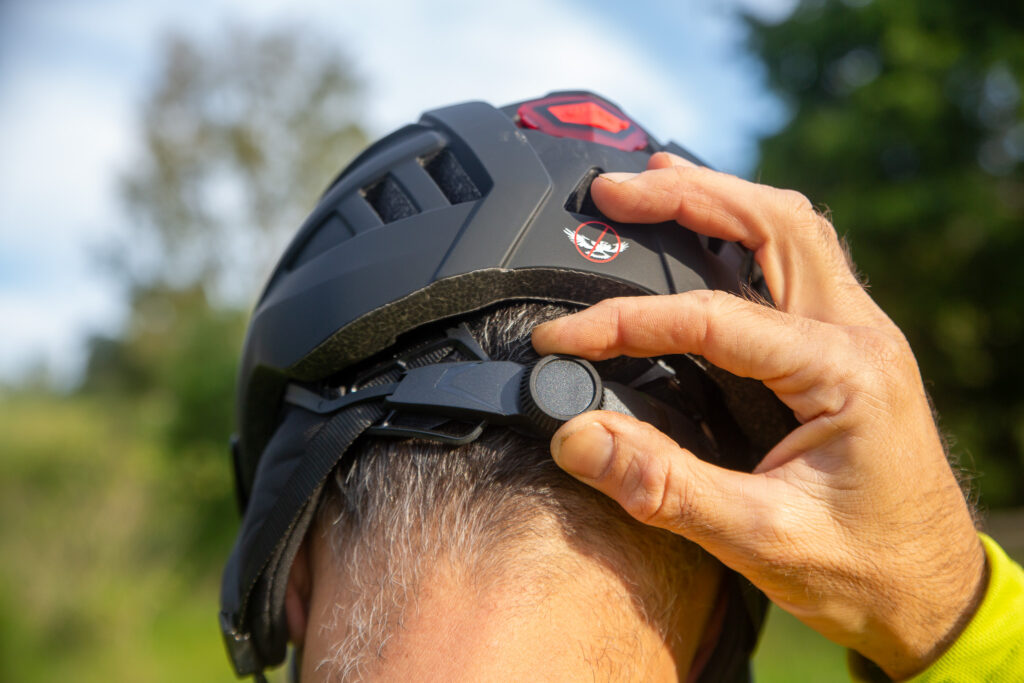
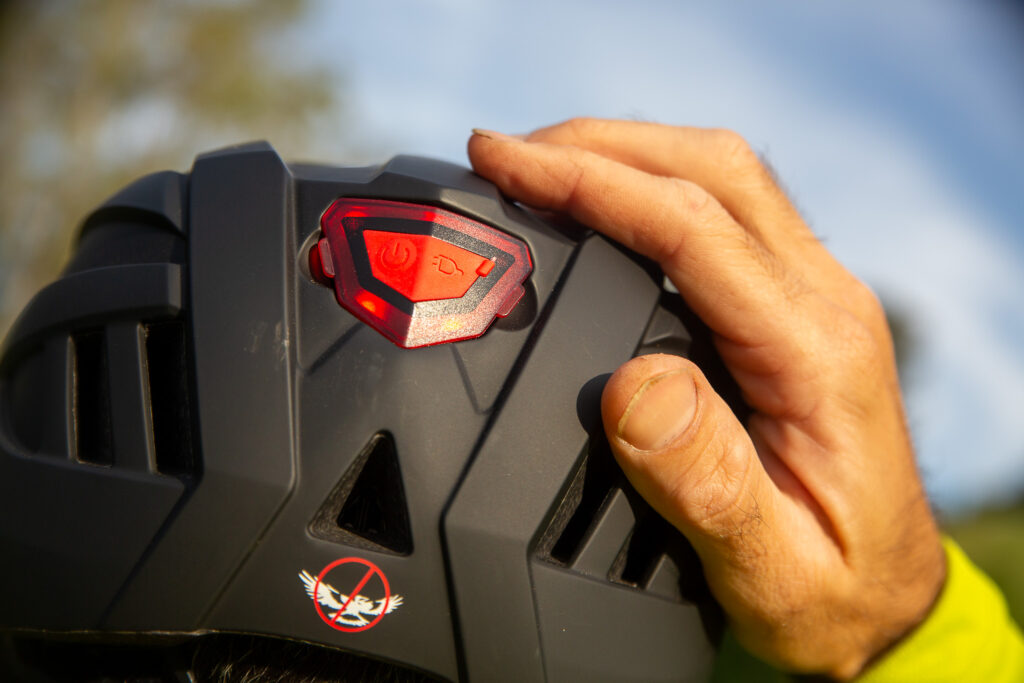
What really stands out is how these added features aren’t gimmicks on a basic helmet – it’s a high quality helmet regardless. From a full coverage in-mould shell, through to an integrated rechargeable rear light, three shell sizes (in either black or white), with a fully adjustable retention system and high quality straps and buckles. All for about $110.
In use
Fitting the helmet was no problem, with a true to size fit and a very comfortable finish thanks to good pad coverage inside. Depending on your choice of eyewear, you may find the arms of sunglasses foul on the ear covers, but putting them on the inside of the ear covers proved to be the best option.
There was a concern that the ear covers may reduce hearing when riding, but the opposite was almost true. They are not a form fitting ear cover as they are not pushed firmly over your ears like noise cancelling headphones. They did reduce wind noise a little, but their main bonus is protection from an angry magpie – and the sun.
With very few magpies on my regular rides, I did need to venture a little further to coax some swooping. What the PieProof helmet will not change is the initial shock of when a magpie swoops you – but your chance of getting injured from the magpie strike is near zero.
For $109.95 including delivery, the PieProof helmets are a high quality helmet with a size range to suit many riders. While it won’t deter a magpie from swooping, it is a well-made helmet with smart design for year-round use, with some added features to call on in swooping season.
A set of lights on your bike for daytime use makes a lot of sense. Whether you end up in a low light situation, or just want to ensure your visibility to other road users, daytime running lights are an easy addition to your bike. In many countries, vehicles have to have them fitted by law.
The past few years have seen an increase in the functionality of rear lights on bikes. There are now options for bike lights with integrated cameras, models with accelerometers to react to braking, and as shown here – bike lights with radars. The idea behind having a rear light with a radar is that it can alert you to a vehicle approaching, with a visual and/or audible alert to your compatible bike computer, smart watch or smart phone. While this can be achieved with a helmet or handlebar mounted mirror, that won’t suit everyone. And in the same manner, a radar light won’t be for everyone either.
TESTING
I tested these four units paired to a Wahoo ELEMNT Bolt bike computer. You can look up the compatibility for each unit on the manufacturer’s website. I tested the units on a mix of separated bikeways, hilly mountain roads, gravel roads, busy urban roads and rolling country roads.
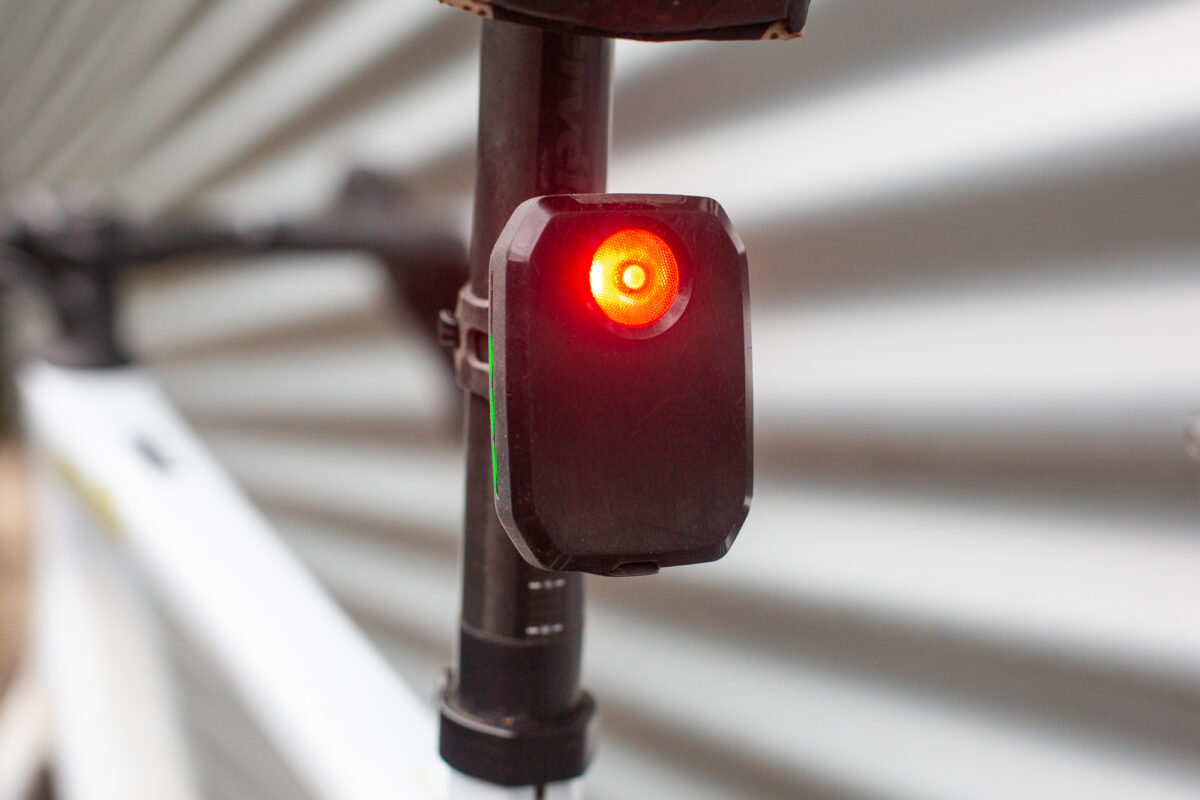
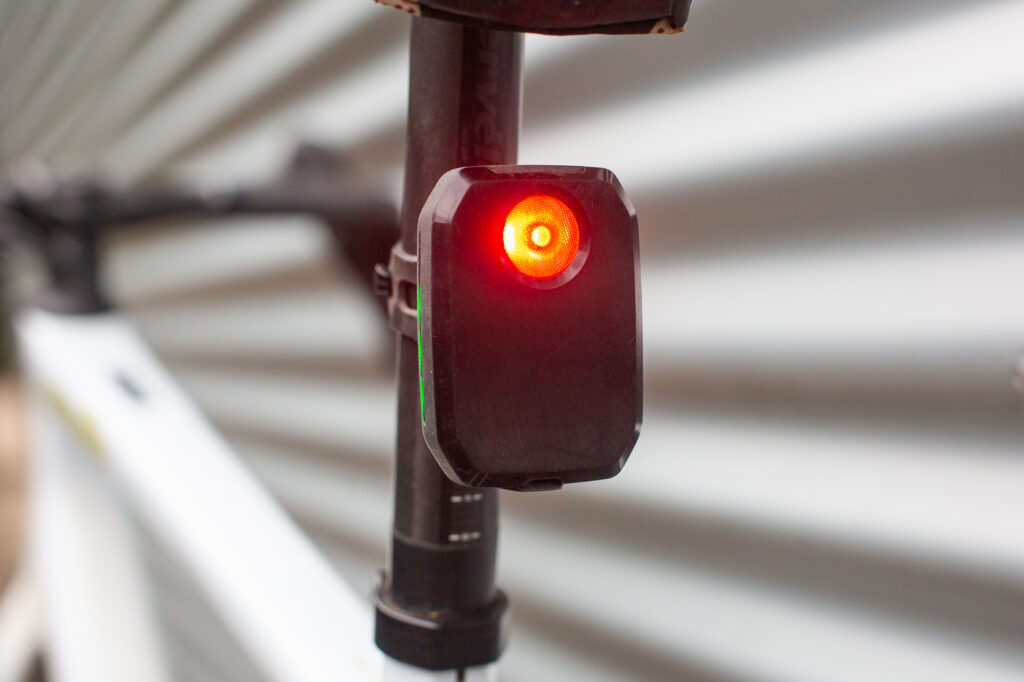
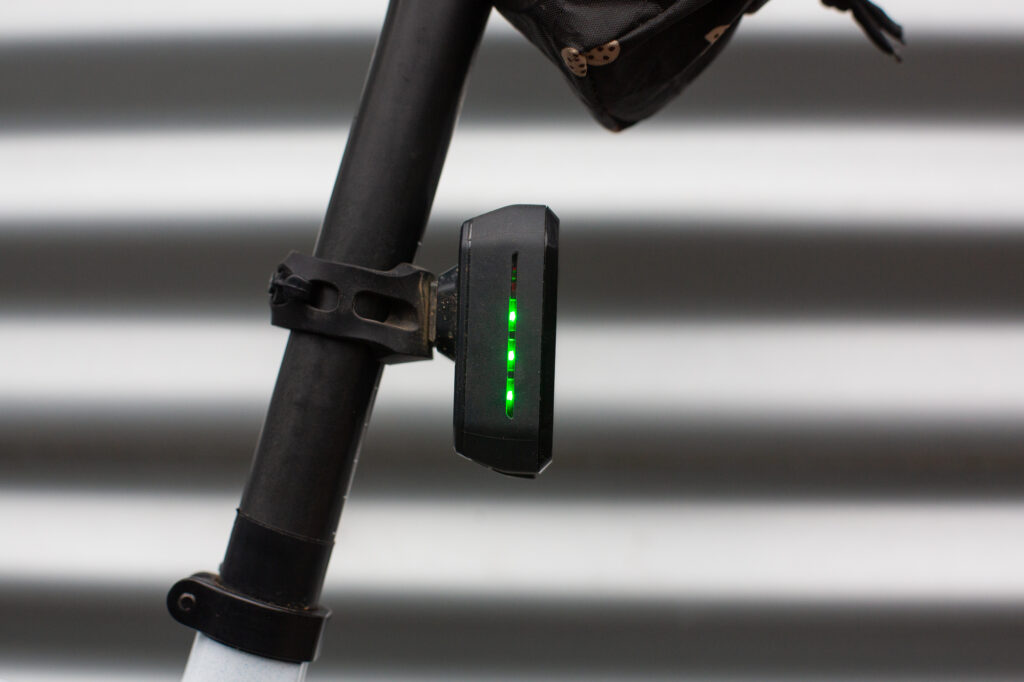
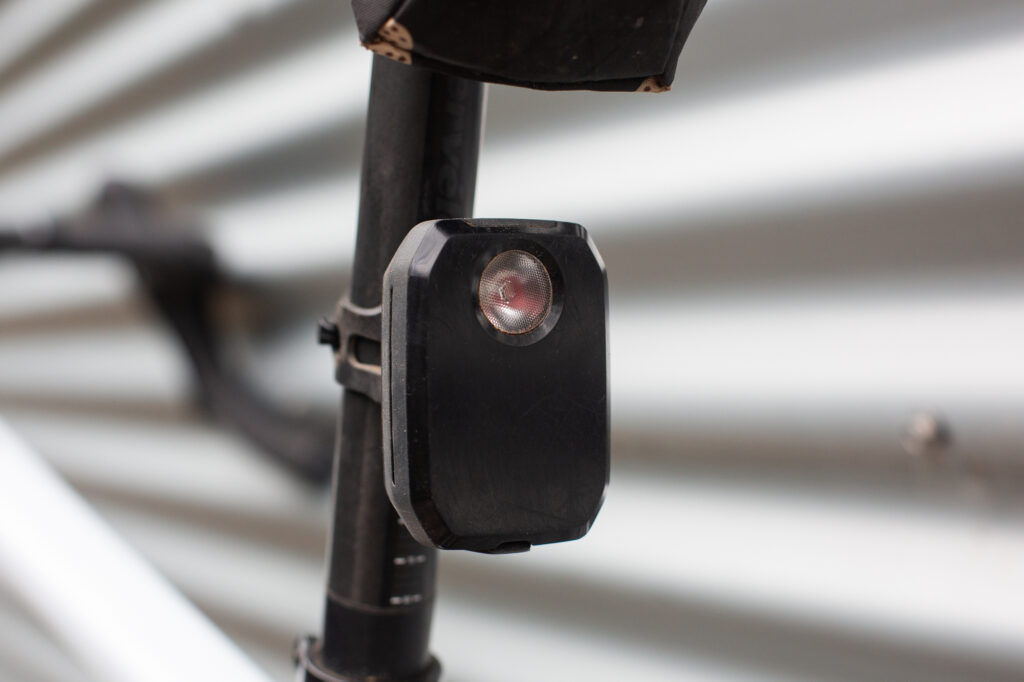
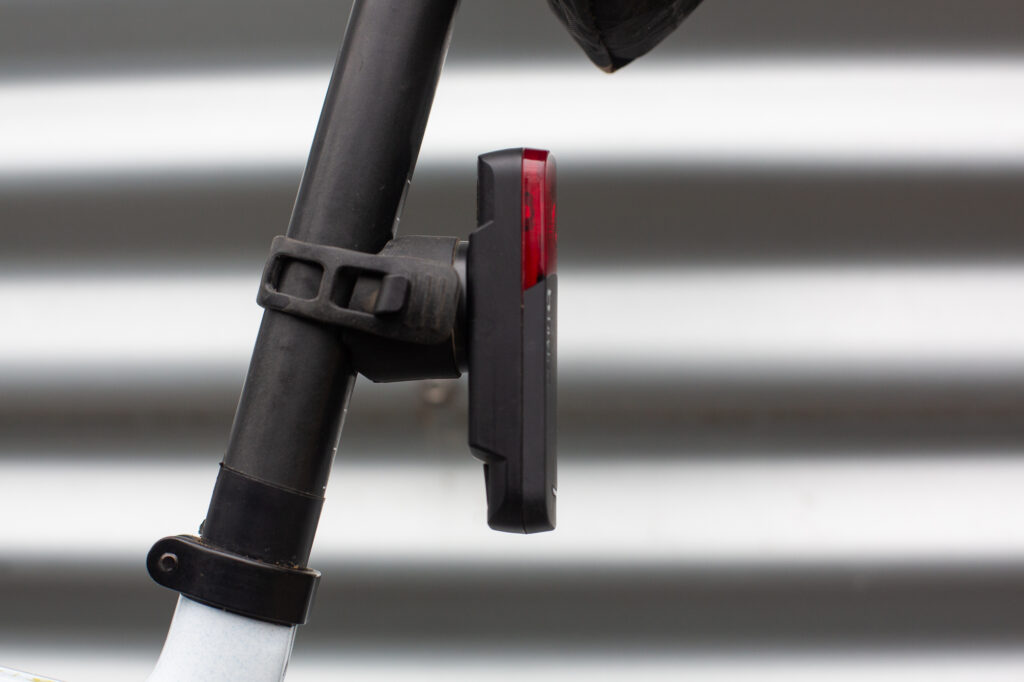
Trek’s Carback has its own app, or pairs to a wide variety of bike computers. Along with a claimed 240m radar range, Trek state their light is visible upto 2km away – perfect for daytime running. The unit itself has a battery indicator on the side, and has a short overall length, which may help it fit on smaller bikes while still being visible. Trek also have mounts for some Bontrager saddles, to ensure your rear wheel doesn’t obscure the light or radar. Trek’s app will show precise distances and even lane position of an approaching vehicle, but I found the data on my Wahoo was perfect.
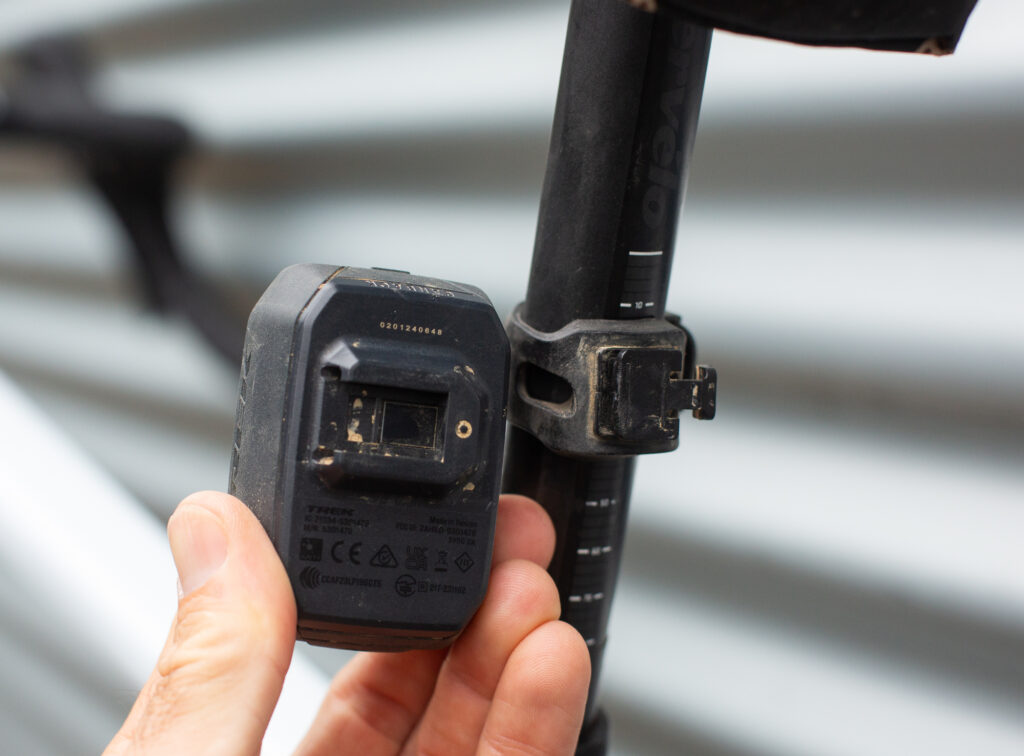
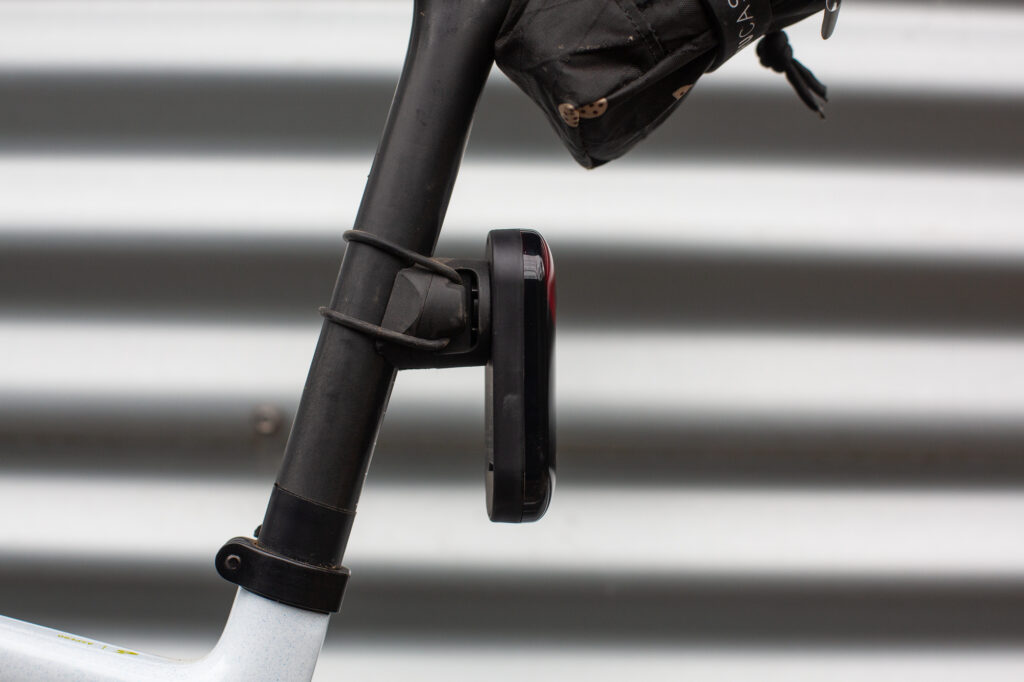
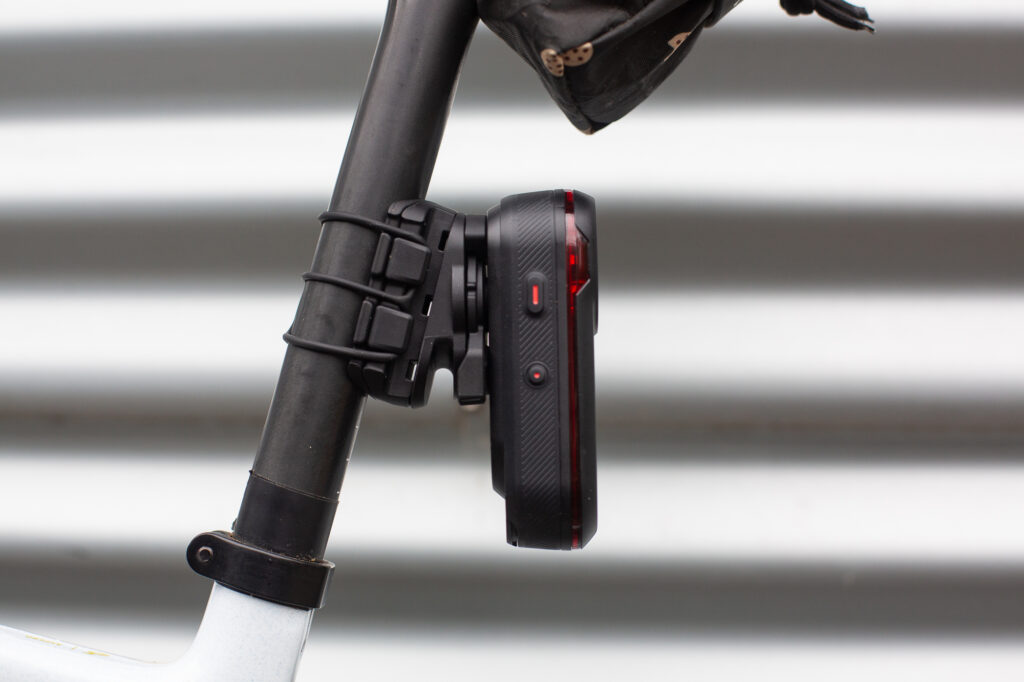
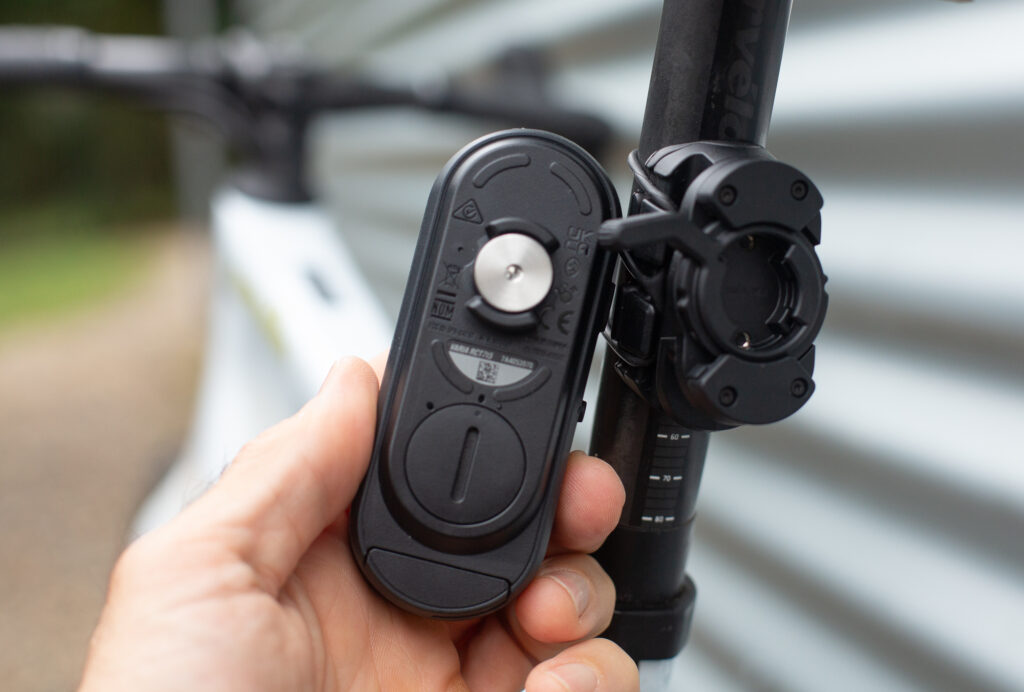
I have found the Trek Carback to be very precise and also great with early detection. The mount is not my favourite as it is very difficult to remove the light from the mount to charge, and the mount isn’t that secure on a 27.2mm seatpost that is typical on many road or gravel bikes, without overstretching the elastic.
If a light like this twists on a post – it cannot be useful. While the bright light can reduce running time, via the day, night and steady run modes you can achieve up to 7 hours run time. This is great product with a very bright light mode amongst others, but perhaps best suited to riders with Bontrager saddles where they can attach the light in the most visible and secure location – or for bikes with seatposts larger than 27.2mm.
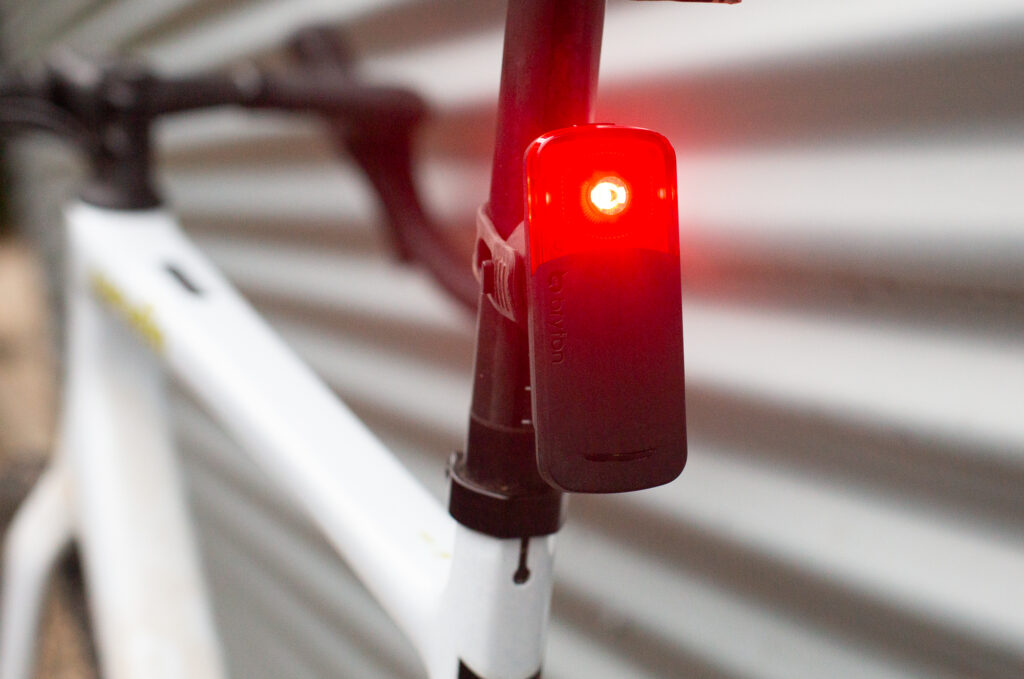
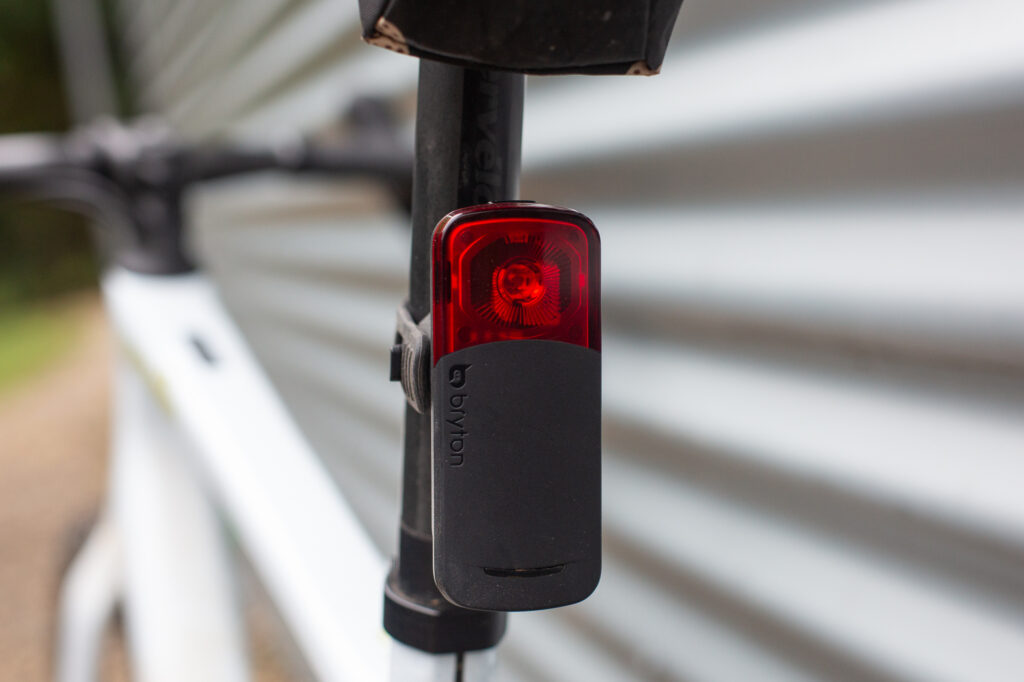
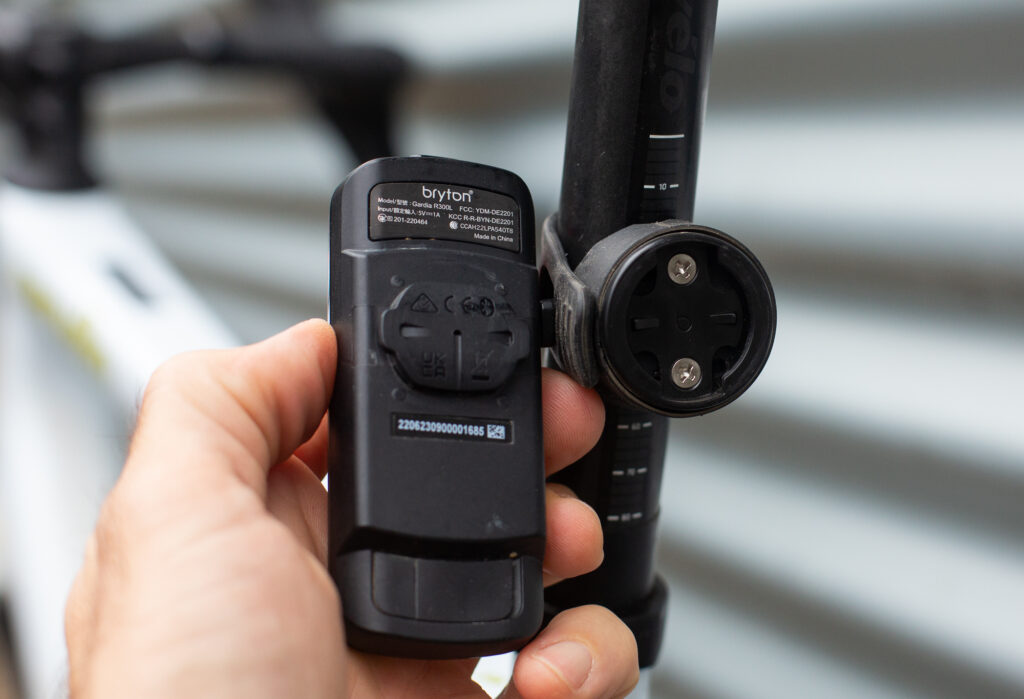
Bryton are known for their bike computers but have created this radar light as well, with some nifty features. The Gardia R300L will pair with their own popular bike computers, others on the market or their own app for those using their phone. What’s really cool is how the light uses movement sensors within the device to power on and off after breaks, and it also changes the light mode when sensing vehicles. There is also a light sensor, so the light will use the daytime setting when there is adequate light, and boost the light available when it gets darker. One last trick is acting as a brake light, with the light output changing as braking is sensed. It’s a smart piece of kit!
The radar picks up vehicles up to 190m away, and like other units you’ll get a visual and audio alert via your device, depending on your preferences. Like most radar lights the light is at the top and the radar below, so you need some post exposed to ensure it is visible, not behind a tyre, rack or luggage.
The mount is very easy to fit to a round, square or aero post, with a 90 degree turn to attach it. I really like the shape and different functions of the Gardia R300L, but despite ever changing road conditions it didn’t pick up vehicles quite as quickly as the Trek light. However, with visibility claimed at 1.6km and a light running time of 12hrs+, at $199.95 and with it’s unique features and app it sure has a lot going for it.
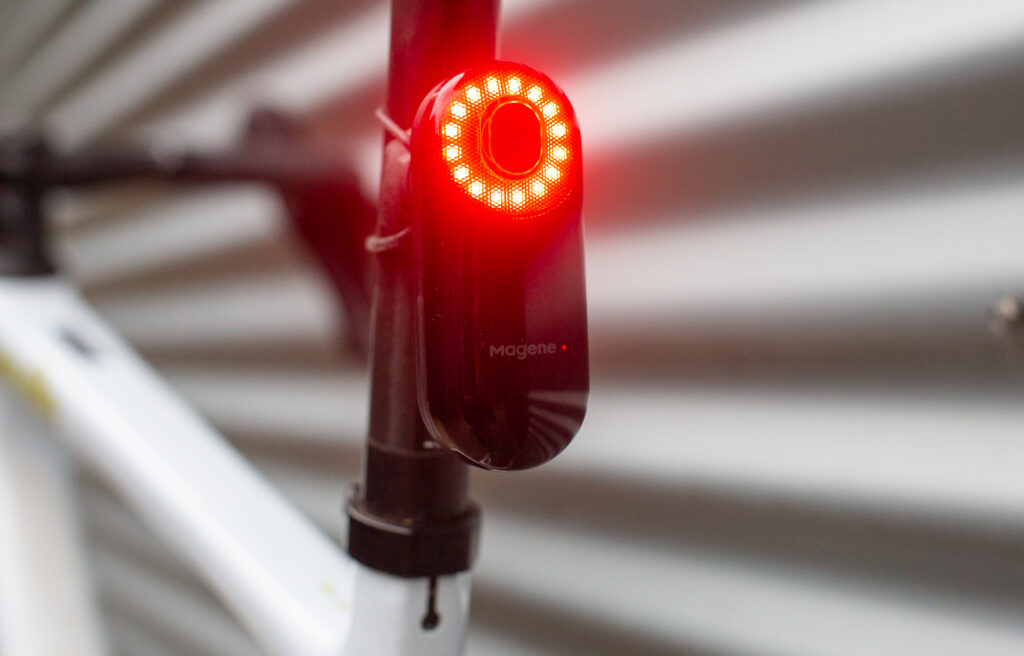
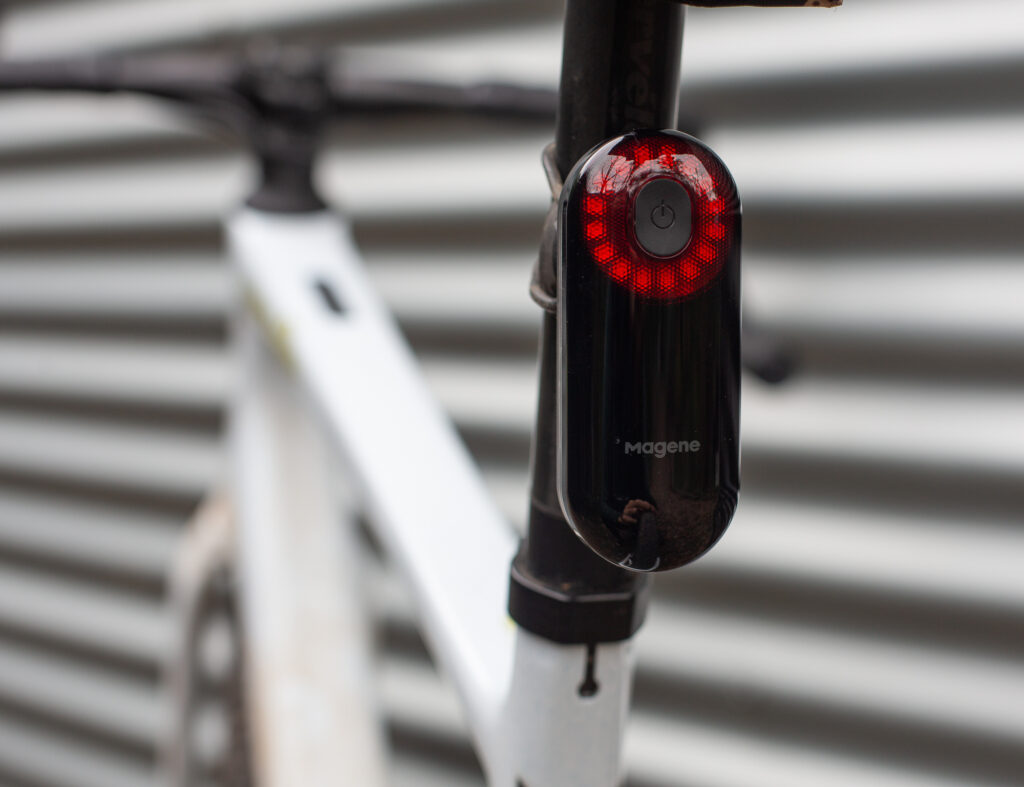
Magene are making all manner of electrical goodies, and this radar light is one of them. It also has it’s own app, allowing customisation of all the modes around their brightness and whether the radar and brake warning are engaged. Like others, the Magene L508 does flash an alert for 2 seconds to an approaching car, and it does a similar alert when hauling on the brakes.
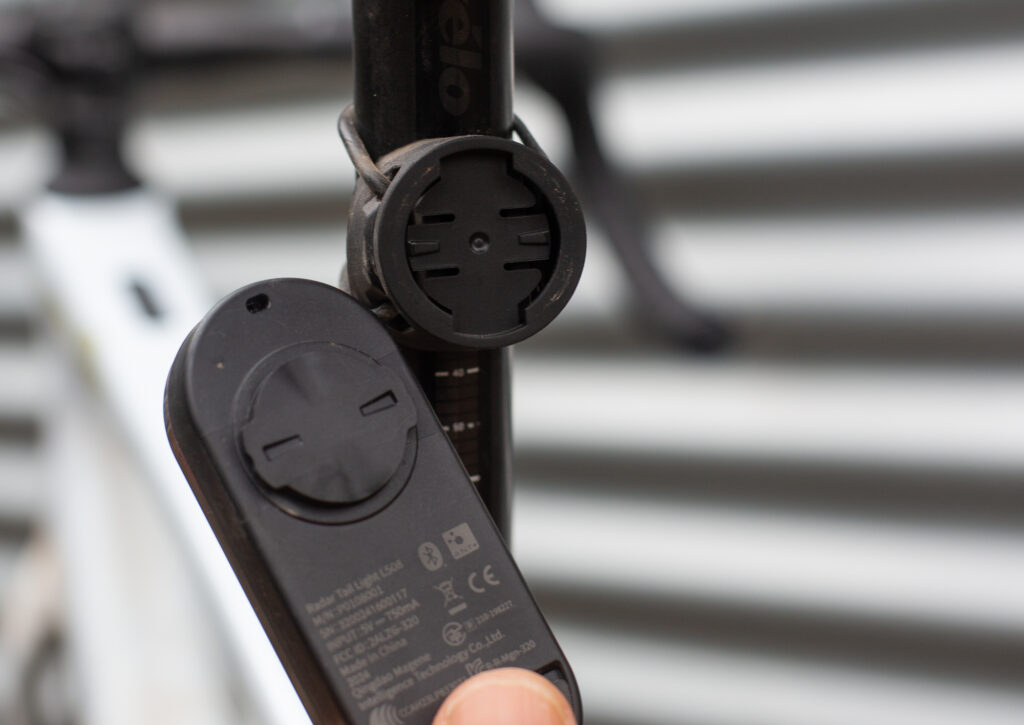
The mount works for square, round and aero posts, using a simple but proven O-ring to attach. It’s easy to replace if broken, but not as easy to remove. The light has a simple 90 degree turn to release. While this unit paired just as easily as all the others, it has a maximum range of 140m, which is considerably less than some.
When riding with my partner I could hear the alert from her unit and count a few seconds until the Magene picked up the same vehicle. Of course, longer range won’t be that useful on twistier or hillier roads, and the Magene does have a long battery life of 12hrs+, depending on modes used. It never missed a large vehicle, but rarely picked up motorbikes – and the shorter range means it just didn’t pick things up as soon as others. I think the customisation on this light is a real bonus.
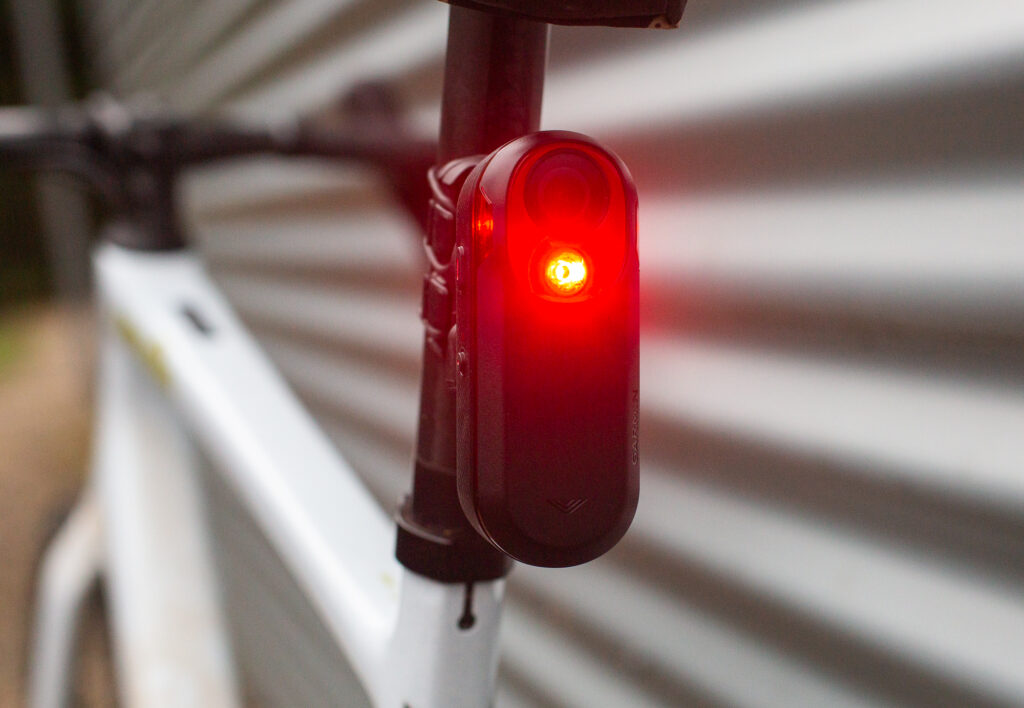
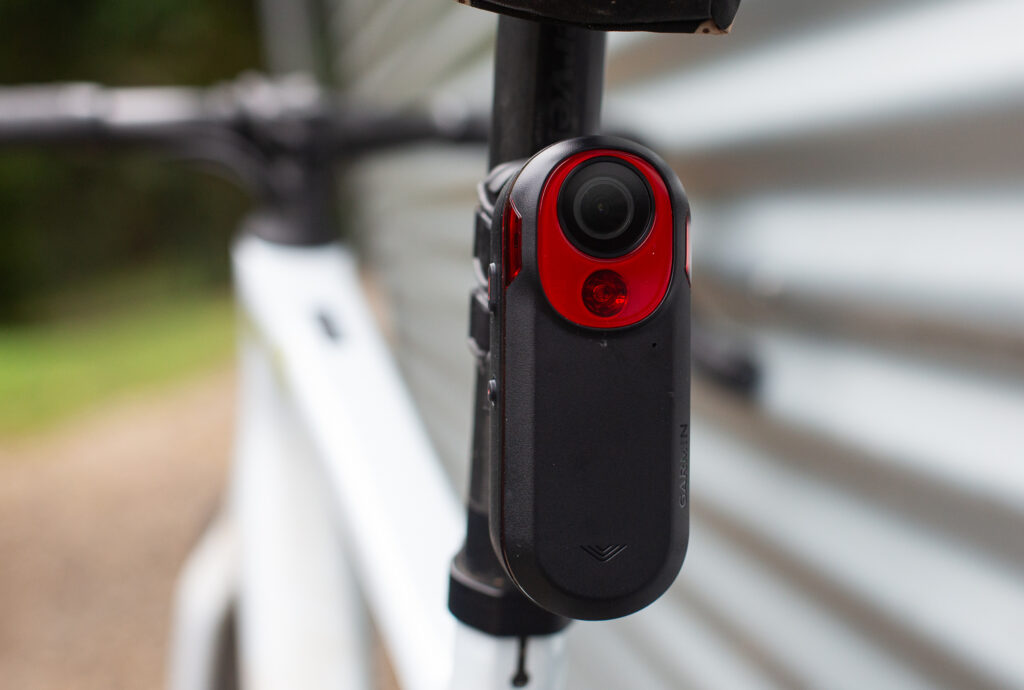
The Garmin Varia was an industry leader, bringing a rear light and radar together. As you can see, the market has grown. And in that time, Garmin have updated their range, including the Varia RCT715 on test here, with a built in camera that offers incident recording. It does mean the whole unit has gained weight, and the light has a very robust attachment to ensure it stays put on a variety of posts, and the light is mechanically locked onto the mount.
The camera doesn’t need to be used, or it can be run continuously or on incident detection, where it records immediately before, during and after the incident, with a date and time stamp. Plus location if possible. Depending what camera setting you use, and light mode, you can get 4-10 hours battery life. Claimed visibility is up to 1.6km, it isn’t as piercing as the other lights on a driveway test, yet is clearly visible in use.
In use, the 140m radar range is good and I’d even suggest it picks up more than that on a straight road. The incident detection and camera is an interesting addition. More control can be gained with a Garmin device, although I did get an incident recording from a poorly timed speed bump bunny hop. The app is ok for collecting this, but I think compared to not having the option it is worthwhile. The GoPro Quik app is far better for accessing footage from a device like a GoPro, but for incident detection this is very useful. It’s a big unit and does use a lot of battery – but I think this combination could offer great peace of mind for many riders.